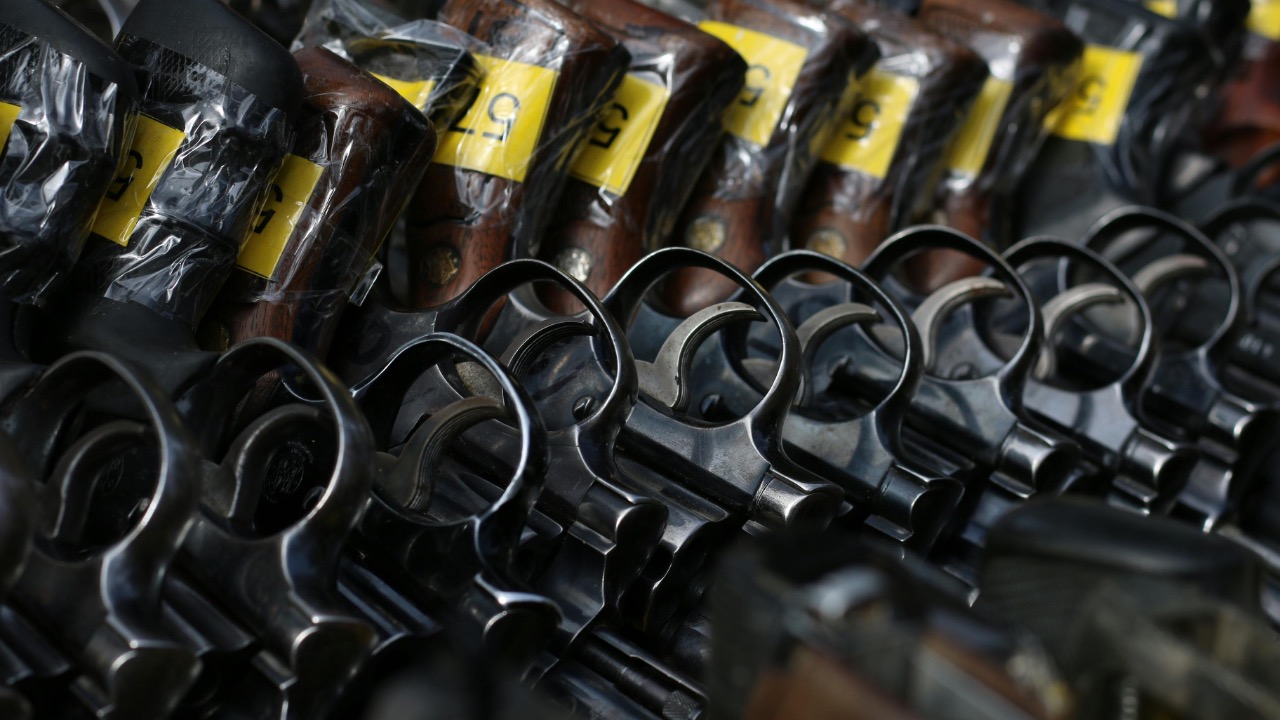
History Shows Disarming Citizens Precedes Loss of Freedoms, Second Amendment Defenders Argue
You look back at pivotal moments in history and see a pattern that Second Amendment supporters often highlight. Governments have moved to restrict or seize firearms from ordinary people before tightening control and eroding other rights. These defenders point to how an armed populace can serve as a check against overreach. The argument holds that without that balance, power shifts too far in one direction. Understanding this perspective means examining real cases where disarmament played a role in larger shifts toward authoritarian rule.
British Efforts to Control Colonial Arms
In the years before the American Revolution, British authorities grew concerned about unrest in the colonies. They imposed restrictions on importing firearms and gunpowder, aiming to limit the ability of colonists to organize resistance. Attempts to seize stored weapons and ammunition at places like Concord in 1775 sparked direct confrontation.
These moves came amid broader tensions over taxation and governance. Colonists saw the disarmament efforts as preparation for imposing stricter rule without opposition. The experience shaped views on the need for citizens to retain arms as protection against distant authority. It remains a foundational example in discussions about the right to bear arms.
Nazi Germany’s Disarmament Policies
When the Nazis rose to power in Germany, they used existing registration systems to identify and target certain groups. Laws in 1938 further restricted Jews from owning weapons while easing rules for party members and others deemed loyal. This selective approach left opponents vulnerable as repression increased.
Raids and prohibitions followed, disarming those seen as threats before escalating violence. Historians note how these steps helped consolidate control by removing any practical means of self-defense among targeted populations. The sequence shows how disarmament can align with broader campaigns to eliminate resistance. It stands as a stark case in debates over government authority over private firearms.
Soviet Disarmament After the Revolution
Following the Bolshevik takeover in Russia, authorities quickly moved to confiscate weapons from civilians. Decrees in 1918 required surrendering firearms, with severe penalties for noncompliance. Exceptions favored those aligned with the new regime.
Over time, this left most citizens without arms as the government expanded its reach and suppressed dissent. The pattern repeated in other communist states where control over weapons helped maintain one-party dominance. Supporters of strong gun rights reference these events to illustrate risks when the state holds a monopoly on force.
Cuba’s Post-Revolution Controls
After Fidel Castro took power in Cuba, the new government collected firearms from the population under promises of stability. What began as disarmament for public safety evolved into a system where private ownership became heavily restricted.
Citizens faced increasing limits on speech, assembly, and movement as the regime solidified authority. The loss of personal arms coincided with these changes, making organized pushback difficult. Defenders of the Second Amendment cite this as another instance where initial restrictions paved the way for lasting political control.
Lessons from 20th Century Regimes
Across several authoritarian takeovers in the last century, patterns of disarmament appear before major rights crackdowns. Whether through registration leading to seizures or outright bans on certain groups, the result often favored those already in power.
You consider these histories and recognize why many argue for vigilance on gun rights today. The core idea centers on maintaining a balance that prevents any single authority from dominating completely. While contexts differ, the recurring theme influences ongoing conversations about constitutional protections.

Asher was raised in the woods and on the water, and it shows. He’s logged more hours behind a rifle and under a heavy pack than most men twice his age.