US military launches fresh strikes on Iran
Tensions in the Middle East have escalated once more with American forces conducting targeted operations against positions in southern Iran. These actions come during a fragile ceasefire that followed months of intense conflict beginning earlier this year. As someone following these developments, you find yourself navigating a complex landscape where military moves intersect with ongoing diplomatic efforts in places like Qatar.
The strikes highlight the precarious balance between security concerns and the push for stability in a region critical to global energy flows. Officials describe the latest incidents as necessary responses to immediate threats, underscoring how quickly situations can shift even amid talks.
Background on the recent escalation
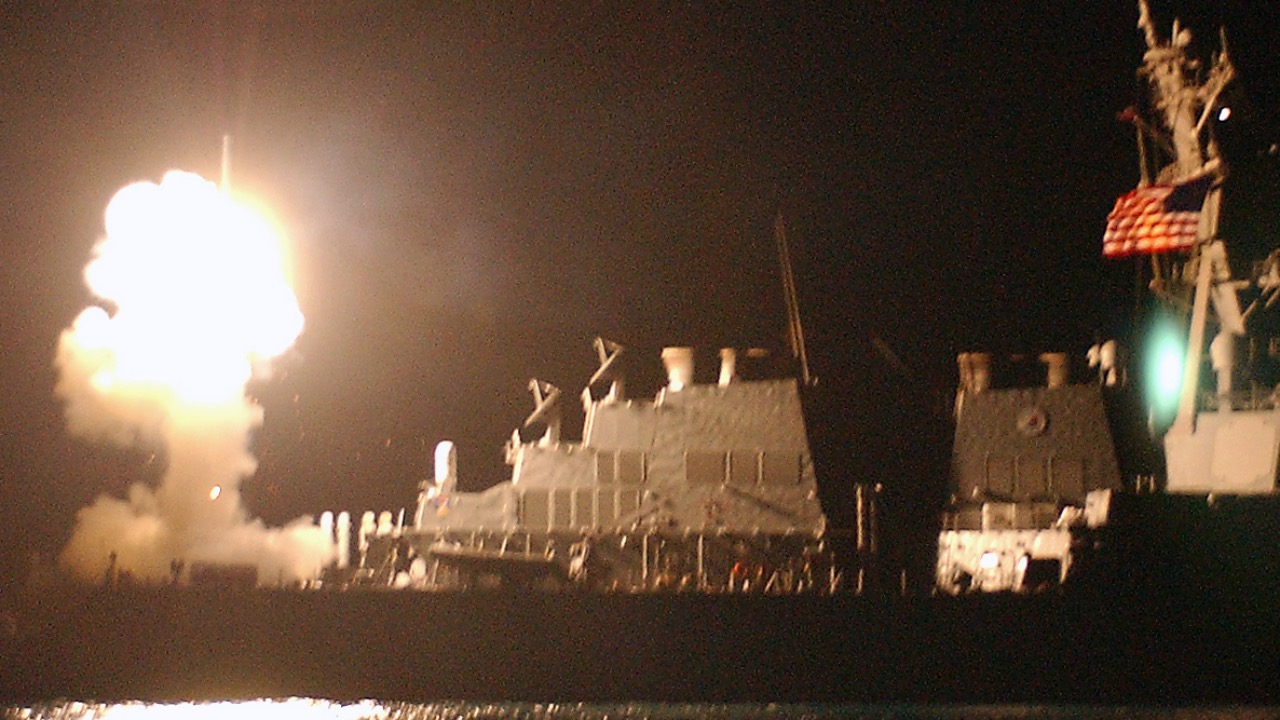
American Central Command reported carrying out operations against missile launch sites and vessels near the southern coast. These targets were linked to activities that posed risks to US personnel operating in the area. The moves occurred close to the Strait of Hormuz, a vital waterway for oil transport that has seen disruptions throughout the broader conflict.
Iranian officials have pushed back strongly, calling the actions a breach of the existing pause in hostilities. This exchange adds layers to negotiations that aim to address underlying issues from the fighting that started in February. Regional dynamics remain fluid as both sides weigh their next steps.
What the strikes targeted
US forces focused on specific military assets in southern Iran, including sites used for missile operations and boats involved in mine-laying efforts. These actions were framed as protective measures to safeguard American troops stationed nearby. Reports indicate explosions were noted around areas like Bandar Abbas.
The precision involved reflects years of intelligence gathering on Iranian capabilities. Such operations fit into a pattern seen since the initial phase of the conflict, where both sides have tested boundaries while claiming adherence to defensive postures. Local impacts continue to unfold as information trickles out.
The wider context of the conflict
This episode takes place against the backdrop of a larger confrontation that erupted in late February between the United States, Israel, and Iran. Initial strikes aimed at key facilities and leadership targets set off a chain of responses that affected multiple countries in the region. A temporary halt in major fighting took hold in April, yet incidents have persisted.
Economic ripples from the fighting have reached far beyond the immediate area. Energy markets have experienced volatility due to threats around key shipping routes. Diplomats continue working through intermediaries to find paths toward longer-term arrangements that could ease these pressures.
Iran’s response and ongoing talks
Iranian military statements have warned of potential countermeasures following the latest US actions. The Islamic Revolutionary Guard Corps has signaled readiness to respond if it views its interests as threatened. At the same time, representatives from Tehran are engaged in discussions in Qatar focused on possible resolutions.
These parallel tracks of military activity and dialogue create uncertainty about the trajectory ahead. Previous rounds of talks have shown progress on certain points while stumbling on others, particularly those involving security guarantees and regional influence. Observers watch closely for signs of movement.
Implications for the region and beyond
The situation carries significant weight for stability across the Middle East and for international supply chains. Disruptions in the Persian Gulf area affect energy prices and trade patterns worldwide. Nations with stakes in the outcome are monitoring developments while considering their own positions.
As events continue to evolve, the interplay between force and negotiation will shape outcomes in the coming weeks. The stakes involve not only immediate security but also longer-term arrangements that could influence relationships in the area for years.

Asher was raised in the woods and on the water, and it shows. He’s logged more hours behind a rifle and under a heavy pack than most men twice his age.