The overlooked risks of leaving guns in your vehicle
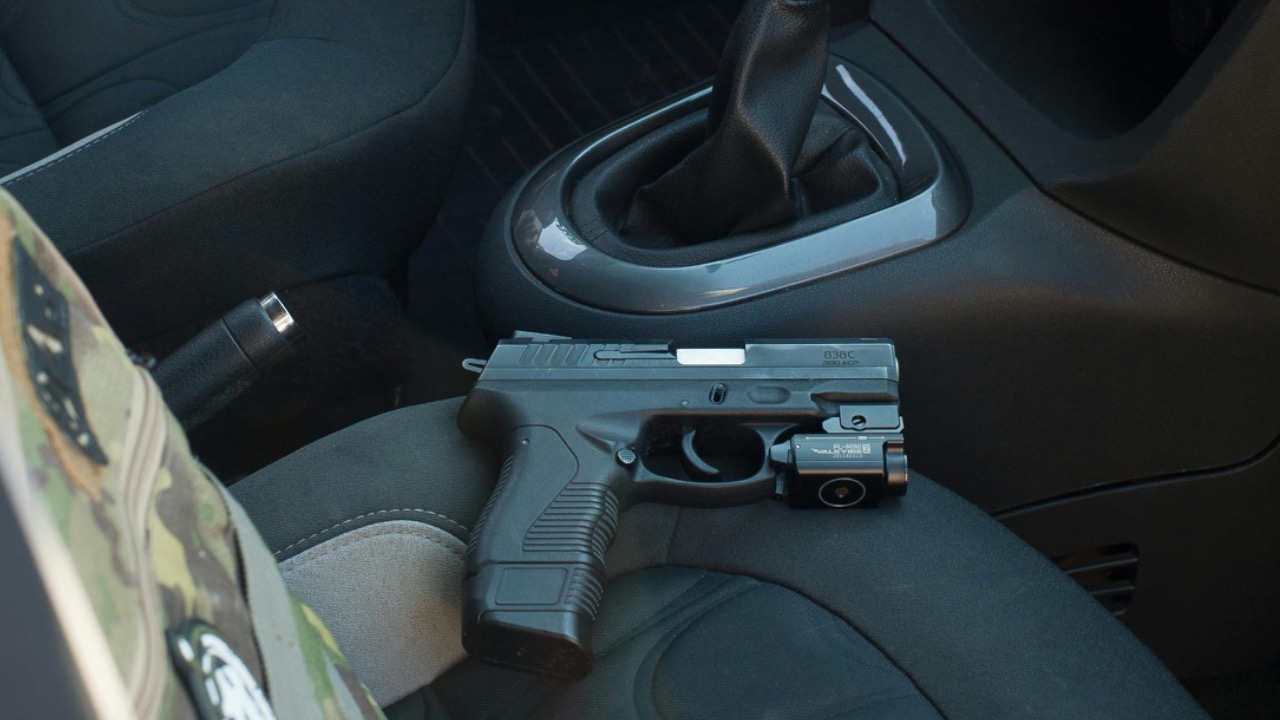
You’ve probably done it without thinking twice—left a rifle behind the seat or a handgun in the console while you ran into a store or grabbed dinner on the way home. It feels routine, especially if you’ve grown up around guns and treat them like tools.
But vehicles aren’t safes. They’re thin metal boxes with glass windows, parked in places you don’t control. What seems like a short stop can turn into a permanent loss, and in some cases, a bigger problem than you ever intended. Here’s where things start to go sideways.
Vehicles Are One of the Easiest Targets for Theft
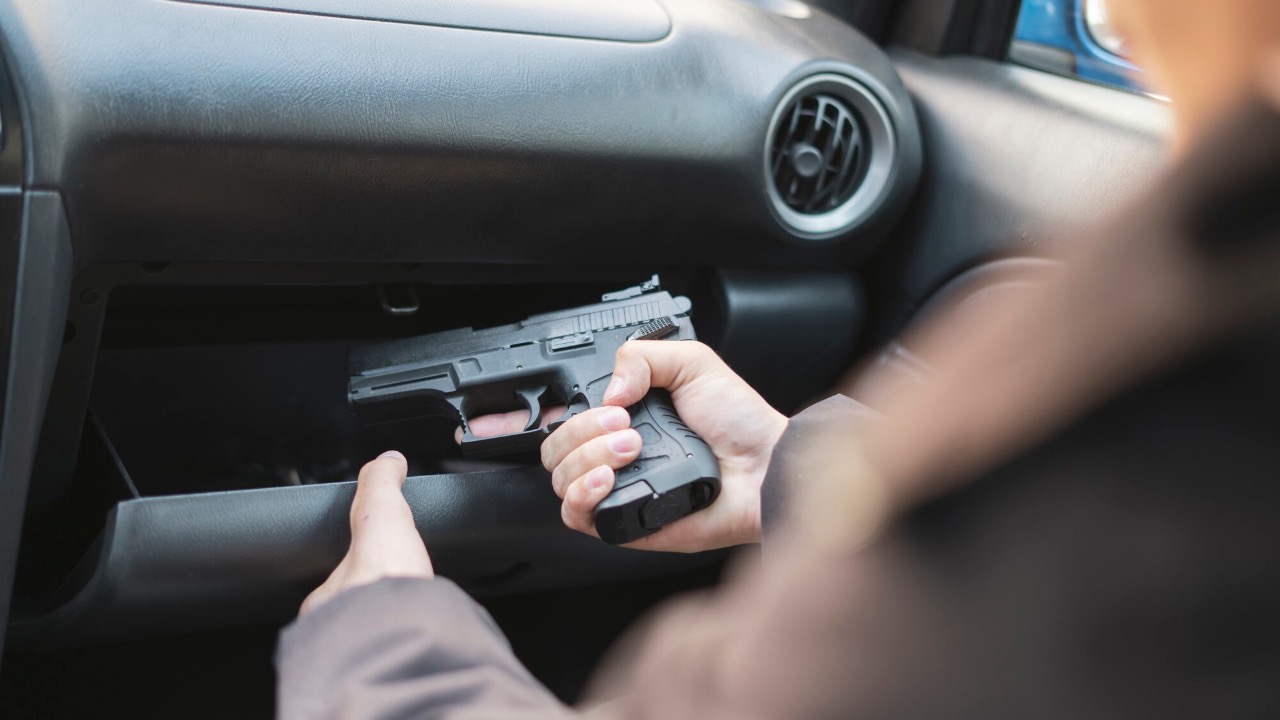
It doesn’t take much for someone to get into a vehicle. A window breaks in seconds, and most center consoles or glove boxes aren’t built to slow anyone down.
Thieves know this. In many areas, they specifically look for guns in parked cars, especially around trailheads, gyms, and restaurants. A visible case or even a sticker can draw attention. Once it’s gone, it’s gone fast. You’re not dealing with a slow, planned burglary—you’re dealing with quick hits that happen while you’re inside for ten minutes.
Stolen Guns Often End Up in the Wrong Hands
When a firearm is taken from a vehicle, it rarely stays in one place. It gets traded, sold, or passed along, and you lose track of it immediately.
That’s where the real risk sets in. Stolen guns are frequently tied to crimes later on, and while you’re not responsible for someone else’s actions, your firearm becomes part of that chain. It’s a hard reality to face. What started as a quick stop with a gun left in the truck can carry consequences far beyond the initial theft.
Heat and Cold Can Wear Down Your Equipment
Vehicles see temperature swings that most gear wasn’t meant to handle long-term. In the summer, interior temps climb fast. In the winter, cold settles in and stays.
Over time, that kind of exposure can affect optics, lubricants, and even ammunition. Oils break down, seals weaken, and condensation can form when temperatures shift. You might not notice it right away, but it adds up. A firearm that sits in a vehicle day after day won’t hold up the same as one stored in a controlled environment.
Moisture Builds Up Faster Than You Think
Even in dry climates, vehicles trap moisture. Rain, humidity, and even wet gear left inside create a damp environment that doesn’t always dry out.
That’s how rust starts. It begins in small spots—under grips, along edges, inside the action—places you don’t check every day. Once it gets going, it spreads. If you’re leaving a firearm in your vehicle regularly, you’re increasing the odds of long-term damage that could have been avoided with better storage.
You May Be Breaking the Law Without Realizing It
Gun laws vary by state and even by city. In some places, leaving a firearm unsecured in a vehicle can lead to legal trouble, especially if it’s stolen and later used in a crime.
There are also requirements in certain areas about how firearms must be stored in vehicles—locked containers, out of reach, or both. If you’re traveling across state lines, those rules can change without much warning. Not knowing doesn’t help your case. It’s on you to understand what’s required where you are.
False Sense of Security Leads to Bad Habits
Once you’ve left a gun in your vehicle a few times without issue, it starts to feel normal. That’s where problems creep in.
You stay inside longer than planned. You park in a busier area. You stop paying attention to where the firearm is and how it’s stored. That comfort builds habits that don’t hold up when something goes wrong. The risk doesn’t show itself every time—but when it does, it tends to hit all at once.
Visibility Draws the Wrong Kind of Attention
You might think a quick cover with a jacket or bag is enough, but it often isn’t. People look into vehicles more than you’d expect, especially in parking lots where they have time to scan.
A rifle case, a holster, or even gear that hints at a firearm can be enough to spark interest. Once someone marks your vehicle, they may come back when it’s more convenient. Keeping things out of sight helps, but it doesn’t eliminate the risk entirely.
Locked Doors Don’t Mean Much
Locking your vehicle is a good habit, but it’s not a strong line of defense. Modern break-ins are quick, quiet, and often go unnoticed.
A locked door might slow someone down for a second, but it won’t stop them if they’re committed. Windows remain the weakest point, and once they’re through, access is easy. Relying on a vehicle’s factory security to protect a firearm isn’t enough.
Insurance and Recovery Aren’t Guaranteed
Some people assume insurance will cover a stolen firearm, but that’s not always the case. Coverage varies, and even when it applies, it doesn’t replace everything.
There’s also the issue of recovery. Once a firearm is stolen, the chances of getting it back are slim. Serial numbers help, but only if it turns up during an investigation. Most don’t. You’re left with the loss, the paperwork, and the reality that it’s out there somewhere.
Leaving a gun in your vehicle might feel routine, but it carries more weight than most people give it. You don’t need to be careless for something to go wrong—you only need a short window and the wrong person passing by.

Asher was raised in the woods and on the water, and it shows. He’s logged more hours behind a rifle and under a heavy pack than most men twice his age.