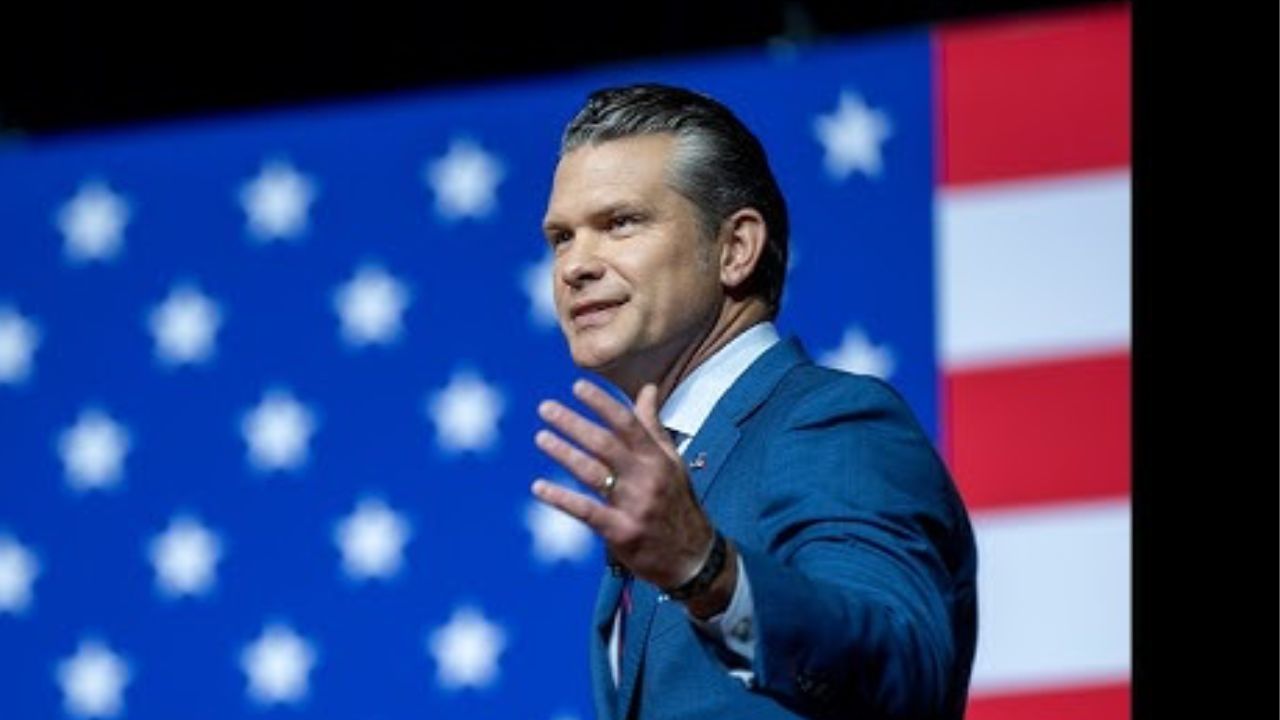
The View accuses Pete Hegseth of waging war on pronouns rather than Iran after West Point speech
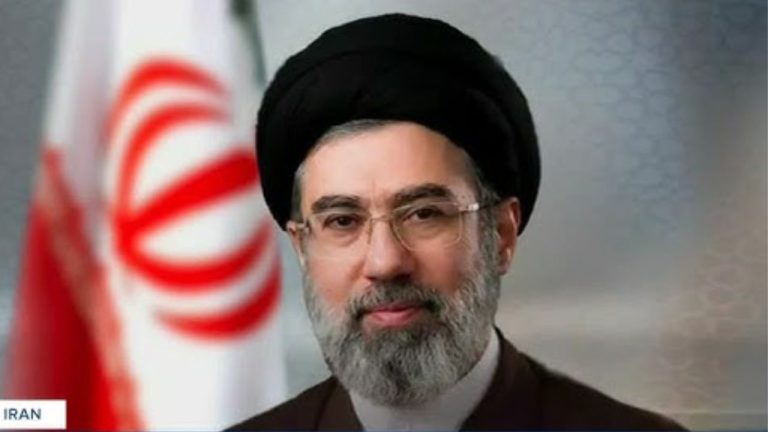
Hosts on ABC’s The View are blasting Fox News personality Pete Hegseth over a recent West Point address, arguing that his focus on pronouns and “wokeness” looks more like a culture war than a serious response to threats such as Iran. Their reaction folds a single commencement speech into a larger fight over what national security means in an era when political identity battles dominate cable news.
The clash highlights a widening divide between commentators who frame social issues as the main danger facing the United States and critics who say that framing distracts from foreign adversaries, nuclear programs, and real-world battlefields. It also underscores how West Point, long treated as above the partisan fray, is being pulled into the country’s ongoing argument over gender, patriotism, and the future of American democracy.
What happened
Pete Hegseth, a Fox & Friends Weekend co-host and Army veteran, was invited to speak at the United States Military Academy at West Point as part of commencement events. According to reporting on the appearance, Hegseth used portions of his address to criticize what he described as “woke” ideology in the military, including diversity initiatives and the use of gender pronouns, presenting them as symptoms of cultural decline inside the armed forces. Coverage of the event notes that he framed this culture-focused message as central to restoring American strength and unity at a time of global instability, including tension with Iran and other adversaries.
The View seized on that framing during a discussion segment in which the co-hosts argued that Hegseth’s priorities were badly skewed. They contended that a graduation speech at West Point, delivered as conflicts continue in the Middle East and as Iran pursues its regional ambitions, should focus on strategy, alliances, and the real prospect of combat, not on cadets’ pronoun usage or campus culture debates. One summary of the segment describes the panel as accusing Hegseth of effectively waging a rhetorical “war on pronouns” instead of addressing real-world threats such as Iran’s military posture and proxy networks, a criticism that goes to the heart of how conservatives have framed national security culture fights.
The discussion also touched on Hegseth’s broader public persona. The hosts referenced his track record as a Fox News commentator who regularly attacks “woke” policies in schools, corporations, and the Pentagon, and suggested that the West Point invitation extended that brand into a space that traditionally emphasizes apolitical leadership. They questioned whether a commencement setting, with newly commissioned officers and their families in attendance, was the right venue for what sounded to them like a cable-news monologue aimed at domestic political grievances.
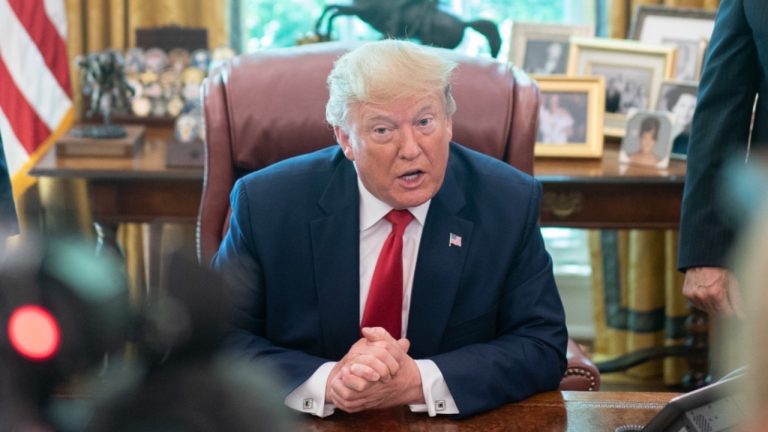
Joy Behar, who has become the show’s most outspoken critic of Donald Trump and his allies, linked Hegseth’s message to a broader pattern on the right. In earlier segments, she has warned that Trump’s rhetoric and plans for a second term carry authoritarian overtones, at one point describing the risk of a “dictatorship” and referencing concerns about a “fascist America” during a discussion that also mentioned immigration enforcement and the actions of ICE, including high-profile murder case that became a flashpoint on the show. Against that backdrop, Behar and her co-hosts cast Hegseth’s West Point address as part of a larger ideological project that elevates culture-war grievances while downplaying the dangers of concentrated power and aggressive foreign regimes.
Reporting on the exchange notes that the panelists voiced particular concern about cadets hearing a message that framed internal cultural disputes as a bigger threat than adversaries like Iran, Russia, or China. They argued that such rhetoric risks confusing young officers about the nature of their oath and their mission, which is to defend the Constitution and the country, not to engage in partisan battles over language and identity.
Why it matters
The dispute over Hegseth’s West Point speech is not just a television spat. It reflects a deeper argument over what Americans consider “national security” and who gets to define it. On one side are figures like Hegseth who insist that ideological conformity, diversity programs, and gender-inclusive language weaken the military and distract from warfighting. On the other side are critics who say that such complaints inflate campus-style grievances while minimizing the hard power challenges posed by states like Iran, which funds proxy militias, pursues advanced missile programs, and has clashed with U.S. forces and partners in the Middle East.
The View’s critique suggests that when a prominent conservative commentator uses a high-profile military platform to spotlight pronouns, it sends a message about priorities. The hosts’ argument is that cadets should be hearing about cyber threats, drone warfare, nuclear proliferation, and the ethics of command, not the same talking points that animate nightly cable segments about college bathrooms. Their charge that Hegseth is more animated by pronouns than by Iran is a shorthand way of saying that culture-war politics have crowded out strategic thinking.
There is also a symbolic dimension. West Point is not just any campus; it is a training ground for future Army officers whose decisions will affect life and death in conflict zones. When a commencement speaker uses that stage to litigate domestic cultural battles, it blurs the line between civilian political fights and the military’s professional ethos of political neutrality. The View’s panel voiced concern that this kind of rhetoric could erode public trust in the armed forces as an institution that stands above partisan warfare.
The exchange also illustrates how daytime talk shows have become key venues for political messaging. The View has a long record of contentious conversations about Trump, immigration, policing, and democratic norms, with Behar in particular warning that Trump’s agenda and rhetoric risk sliding the country toward authoritarianism. In that context, the criticism of Hegseth’s speech functions as another warning about a political movement that, in the hosts’ view, focuses on cultural grievances while tolerating or enabling hardline policies at home and aggressive postures abroad.
Coverage of the segment points out that the hosts also highlighted the emotional stakes for military families. Parents watching their children graduate from West Point might expect a speech that honors sacrifice and addresses the dangers those officers may face in deployments that could involve Iran-backed militias, Russian forces, or other adversaries. Hearing a focus on pronouns instead can feel, in the critics’ telling, like a misreading of the moment and a missed chance to speak to the realities of war.
For Hegseth’s supporters, the emphasis on culture is itself a national security message. They argue that a military that adopts what they label as “woke” policies risks losing discipline, cohesion, and a shared sense of mission. The View’s reaction shows how polarizing that claim has become. To the hosts, it looks less like a defense of readiness and more like an attempt to import partisan identity politics into the officer corps, at a time when the United States is already grappling with deep political division.
The argument also intersects with broader concerns about democratic backsliding. Behar’s previous warnings about a potential “dictatorship” and “fascist America” under Trump, raised during segments that connected immigration enforcement, ICE operations, and violence, show that the show’s framing of security is not limited to foreign adversaries. The hosts view threats to democratic norms, the rule of law, and minority rights as security issues on par with, or greater than, the ambitions of states like Iran. Framed that way, a speech that treats pronouns as a central danger looks to them like a misdirection away from both external and internal risks.
What to watch next
The fallout from Hegseth’s West Point appearance and The View’s response will likely play into several ongoing storylines. One is the continued politicization of the military. As more partisan figures seek speaking roles at academies and bases, expect renewed debate over who gets invited and what messages they bring. Lawmakers, veterans’ groups, and Pentagon leaders may face pressure to clarify guidelines for speakers, especially when their remarks focus on hot-button cultural issues rather than professional development or strategy.

Leo’s been tracking game and tuning gear since he could stand upright. He’s sharp, driven, and knows how to keep things running when conditions turn.