Trump Reviews Iranian Proposal to Reopen Strait of Hormuz but Questions Timing of Nuclear Discussions
You watch the developments unfold in the Persian Gulf with a sense of caution rooted in decades of tense diplomacy. President Donald Trump and his national security team have examined a fresh offer from Iran aimed at easing the current standoff. The proposal centers on reopening the Strait of Hormuz to shipping traffic and winding down the ongoing conflict with the United States and Israel. Yet concerns linger over the suggestion to handle Iran’s nuclear program separately and at a later time. This moment carries weight for global energy flows and regional stability, as roughly one-fifth of the world’s oil passes through those narrow waters.
The Proposal’s Core Elements

Iran delivered the idea through Pakistani channels in recent days. Officials describe it as a step to lift restrictions on the strait while the United States ends its naval blockade of Iranian ports. The plan seeks an end to active hostilities that escalated earlier this year. Supporters of the approach see potential for immediate relief in oil markets strained by the disruptions. At the same time, it explicitly sets nuclear questions aside for future rounds once calmer conditions take hold.
Trump’s advisers reviewed the details during meetings this week. The administration has signaled that progress on the strait alone falls short of addressing deeper security risks. You notice how the proposal arrives amid reports of economic pressure on Iran from the blockade, including limits on its oil exports. Sources indicate Tehran faces storage challenges for unsold crude, adding urgency from their side. Still, the sequencing leaves key demands unresolved in the eyes of U.S. officials.
Trump’s Reaction and Strategic Concerns
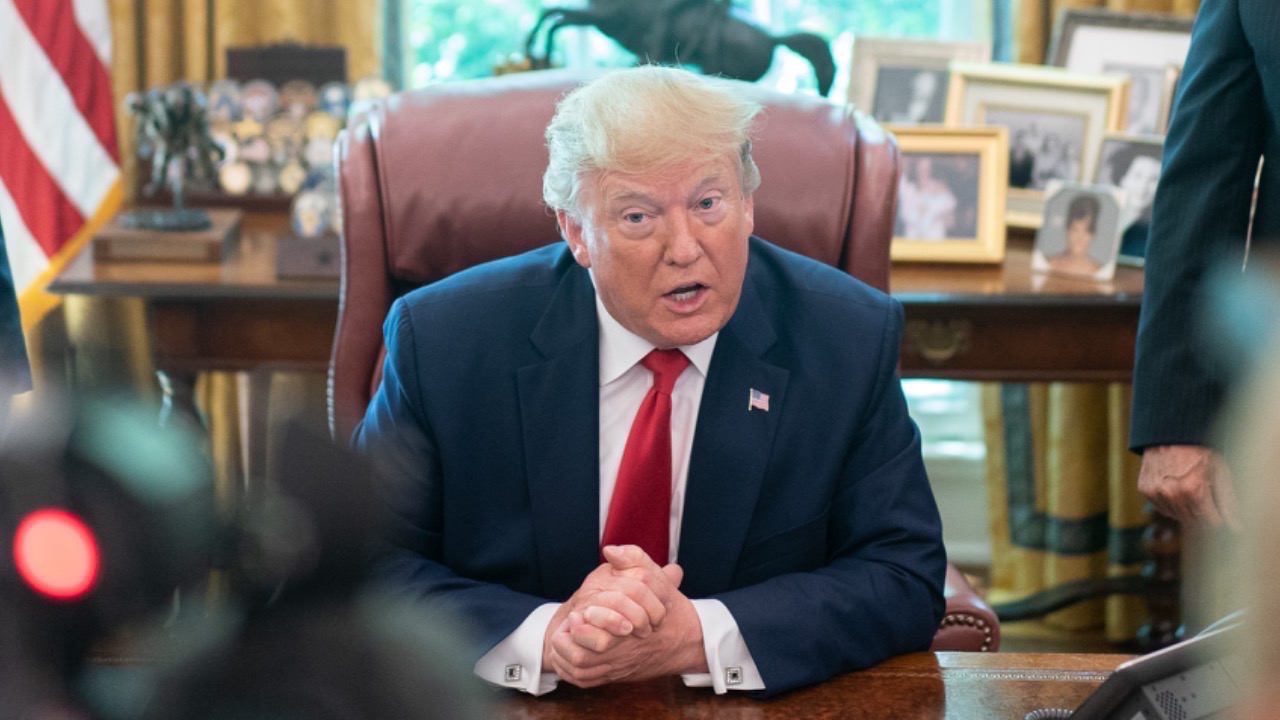
President Trump expressed dissatisfaction with the timing during discussions in the White House Situation Room. He has long maintained that curbing Iran’s nuclear capabilities formed a central reason for the current military posture. Delaying those conversations strikes many in the administration as an attempt to buy time rather than commit to lasting changes. Secretary of State Marco Rubio described aspects of the offer as an improvement over previous ones, yet emphasized that core positions remain firm.
You see the president weighing options that include sustaining the blockade for an extended period if needed. Conversations with U.S. energy executives touched on ways to manage domestic impacts while keeping pressure in place. Trump has publicly noted Iran’s reported sense of strain, suggesting the regime seeks quick relief to sort internal matters. This framing underscores a belief that continued leverage could yield stronger concessions down the line.
Economic Ripples from the Standoff
Global oil prices have climbed in response to the uncertainty around the strait. Brent crude recently rose several percent as traders monitor the situation closely. The waterway’s importance means any prolonged closure affects supply chains far beyond the region, influencing costs for consumers everywhere. Iran has restricted movements in retaliation for the U.S. blockade, creating a mutual choke point that neither side welcomes indefinitely.
Analysts point out that shipping traffic dropped sharply since the conflict intensified in late February. Insurance rates for vessels in the area surged, and some companies rerouted entirely. The proposal aims to restore normal flows quickly, yet without nuclear assurances, markets may remain volatile. You recognize how these pressures test the patience of governments balancing energy needs against proliferation worries.
Diplomatic Channels and Mediators
Pakistan played a role in conveying the latest Iranian ideas after direct talks faced setbacks. The White House confirmed that Trump met with his team on Monday to go over the plan. Regional sources describe the outreach as an effort to break the impasse without immediate full capitulation. However, U.S. skepticism persists because past engagements often stalled over the same nuclear issues now deferred again.
Efforts to involve other parties reflect the complexity of ending a conflict that drew in Israel and broader Gulf dynamics. Trump has warned Iran to move toward practical agreements soon. Public statements highlight a preference for deals that deliver verifiable security gains rather than temporary pauses. This stance aligns with a pattern of seeking maximum leverage before committing to any path forward.
Broader Implications for Regional Security
The nuclear question sits at the heart of why many view the proposal warily. Iran’s enrichment activities have raised alarms for years, and the war began partly to confront that threat directly. Postponing discussions could allow technical advances that complicate future verification. You consider how allies like Israel, heavily involved in the operations, would likely oppose any framework that shelves their primary concern.
Meanwhile, the administration explores military contingencies to secure the strait if diplomacy drags on. Options presented to Trump include measures to counter Iranian restrictions more forcefully. At the same time, officials acknowledge the human and economic costs of escalation. The coming days will test whether both sides can bridge the gap between immediate maritime access and long-term strategic trust.
Looking Ahead in the Negotiations
Observers expect further back-channel activity as the blockade’s effects deepen. Iran has signaled openness to ending its own restrictions in exchange for lifted sanctions on its ports. Yet the administration insists on addressing the full range of issues rather than splitting them. This position reflects lessons from earlier rounds where partial agreements failed to hold.
You track these events knowing the stakes involve everything from tanker routes to the balance of power in the Middle East. Trump’s team continues internal deliberations, balancing short-term market stability against the goal of preventing a nuclear-armed Iran. The review process remains active, with no final decision announced, leaving room for adjustments based on Tehran’s next moves.

Asher was raised in the woods and on the water, and it shows. He’s logged more hours behind a rifle and under a heavy pack than most men twice his age.