Tick populations surge to highest levels in nearly a decade across several US states
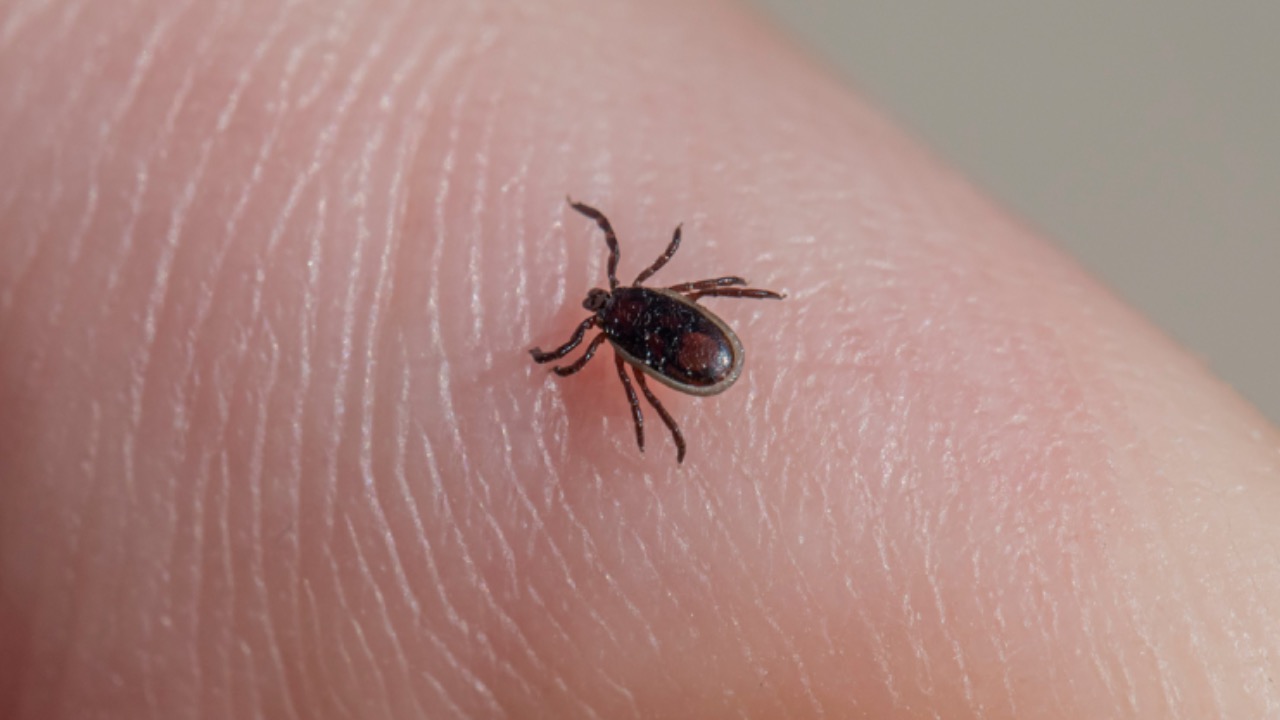
Tick populations have reached some of the highest levels in nearly a decade across parts of the United States. Recent CDC data on emergency department visits for tick bites show rates in April 2026 hitting numbers not seen since 2017, with the Northeast and Midwest reporting the sharpest increases. Warmer winters, abundant host animals, and shifting landscapes have created better conditions for these arachnids to thrive and spread. If you spend time outdoors this season, paying closer attention to prevention matters more than ever in affected regions.
Understanding the current surge in tick activity
Emergency room visits tied to tick bites climbed noticeably higher this spring in several regions. In the Midwest, rates reached 137 per 100,000 visits in April, well above recent years. Similar patterns appeared across the Northeast, where conditions allowed ticks to become active earlier and in greater numbers.
These trends align with reports from states including Minnesota, Wisconsin, Michigan, and others in the upper Midwest. Data trackers indicate this marks one of the more active periods in recent memory, driven by environmental factors that support tick survival through seasons that once limited their spread.
Why numbers are climbing now
Milder winters have allowed more ticks to survive into spring, extending their active periods. Increased populations of deer and small mammals like mice provide steady hosts for different life stages, helping ticks complete their cycles more successfully.
Land changes, including reforestation and suburban expansion into wooded edges, have also expanded suitable habitats. These shifts bring people and ticks into closer contact without dramatic alterations to daily routines.
Regions seeing the strongest effects
States across the Midwest and Northeast stand out in recent surveillance. Places like Minnesota, Wisconsin, Illinois, Michigan, and Ohio have recorded notable upticks in bite-related medical visits. The Northeast continues to show elevated activity consistent with long-term patterns there.
In these areas, residents report more frequent encounters during routine outdoor activities. Local health departments have noted the alignment between emergency data and on-the-ground observations from researchers and residents alike.
Health risks that come with higher exposure
Lyme disease remains the most commonly reported illness from tick bites, but others like anaplasmosis and babesiosis appear more frequently in certain states. Early symptoms can include fever, fatigue, and rashes, though not every bite leads to infection.
Prompt removal and awareness of local disease prevalence help reduce complications. Medical providers in high-activity zones recommend monitoring for symptoms in the weeks after potential exposure and seeking care when needed.
Practical steps for time spent outdoors
Check yourself, clothing, and gear thoroughly after being in grassy or wooded spots. Light-colored pants tucked into socks make it easier to spot ticks before they attach. Showering soon after returning indoors can wash away any that have not yet bitten.
Repellents containing DEET or permethrin-treated clothing offer additional layers of protection. Keeping yards trimmed and removing leaf litter around homes reduces nearby tick habitat without requiring major overhauls.
What the data suggests for the months ahead
Surveillance through spring and early summer points to continued elevated risk in the identified regions. Patterns from previous high-activity years show that consistent personal precautions make a measurable difference for individuals.
Health agencies continue monitoring trends as temperatures rise. Staying informed through local updates allows adjustments based on conditions in your specific area rather than national averages alone.

Asher was raised in the woods and on the water, and it shows. He’s logged more hours behind a rifle and under a heavy pack than most men twice his age.