Aspiring UFC fighter killed in bear attack in Canada
Stories of ambition cut short by the raw power of nature carry a particular weight. In early May, Hrishikesh Koloth, a 27-year-old man chasing a professional fighting career, lost his life in a black bear attack at a remote work site in Saskatchewan. He had come from India years earlier with clear goals and had built a life around training and discipline while supporting himself through contract work. The incident stands out because fatal bear encounters remain uncommon in the region, reminding anyone who spends time outdoors how quickly situations can shift.
His path reflected the kind of determination many athletes bring to their craft. Koloth trained seriously for more than a decade, first in his home country and then after relocating to British Columbia. He held professional experience and stayed focused on reaching higher levels of competition. At the time of the attack on May 8 near Nordbye Lake, he was working as a technician at a uranium exploration site. A coworker ended the encounter by shooting the bear.
The remote site where it happened
Workers at the Zoo Bay uranium project operate in isolated northern terrain that demands constant awareness of surroundings. Koloth was there on contract when the black bear approached. These areas feature thick forests and limited visibility, conditions that can hide wildlife until close range. Colleagues responded quickly, but the attack proved fatal.
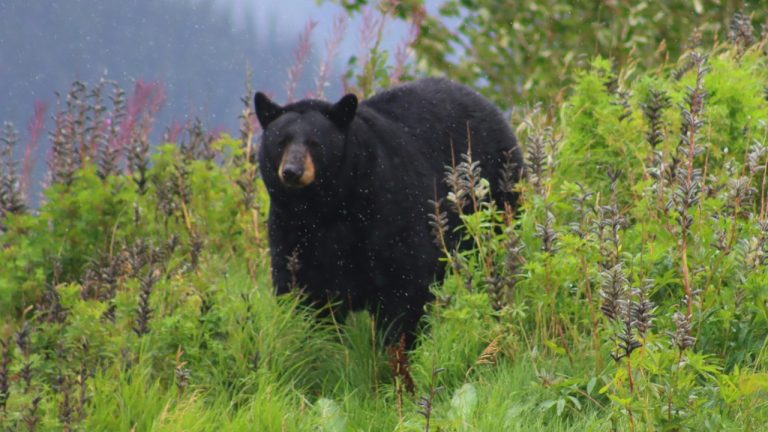
Provincial records show this marked only the fourth fatal bear incident in Saskatchewan history. Officials later confirmed the bear involved was a black bear, a species generally less aggressive than grizzlies yet still capable of serious harm when surprised or protecting territory. The event has prompted discussions about safety protocols for crews in wildlife-heavy zones.
Moving across continents for opportunity
Three years before the attack, Koloth left Kerala, India, to pursue mixed martial arts opportunities in Canada. He settled in British Columbia and joined sessions at Skoden Martial Arts in Penticton, where coaches and training partners noted his consistent effort. The move required adjusting to new systems, colder weather, and building everything from scratch while maintaining his goals.
He balanced training with work that took him to distant locations. Plans were in place for a boxing coaching role in Vancouver that would have started soon after the Saskatchewan job. That combination of physical preparation and practical steps showed how he approached his career in stages rather than waiting for a single breakthrough.
Years dedicated to the craft
More than ten years of focused training shaped Koloth long before he arrived in Canada. He developed skills across striking, grappling, and conditioning that earned respect in gyms. Professional bouts gave him experience inside the cage, and he continued refining his approach with the aim of competing at the highest levels.
Fellow athletes and coaches described steady progress and a quiet intensity during sessions. His routine included regular sparring and strength work that built the foundation he relied on. Those who trained alongside him remember someone committed to improvement over time, treating each day in the gym as part of a longer process toward entering organizations like the UFC.
How his family sees the loss
Koloth’s brother Arjun has spoken about remembering him as someone unafraid and deeply loyal to the people around him. He called his brother a fighter at heart with an innocent spirit that stayed with him through challenges. Family members highlight the humility he carried despite his drive in the sport.
Tributes from the MMA community and friends emphasize the personal side beyond training highlights. Arjun wants people to focus on the dreamer who worked hard and cared for others, rather than the circumstances of his death alone. Those close to him describe a person who stayed grounded while chasing big ambitions.
Reflections on risk in open country
Encounters like this draw attention to the realities of working or traveling in Canada’s northern regions. Black bears inhabit wide stretches of forest and can appear without warning, especially near food sources or during certain seasons. Most interactions end without harm, but preparation such as proper storage of supplies and group awareness can reduce chances of trouble.
The rarity of fatal outcomes puts this case in perspective. Wildlife managers stress education and respect for animal behavior over fear. For those who spend time in similar environments, the incident serves as a reminder to stay alert without letting caution overshadow the reasons people head into those places in the first place.

Asher was raised in the woods and on the water, and it shows. He’s logged more hours behind a rifle and under a heavy pack than most men twice his age.