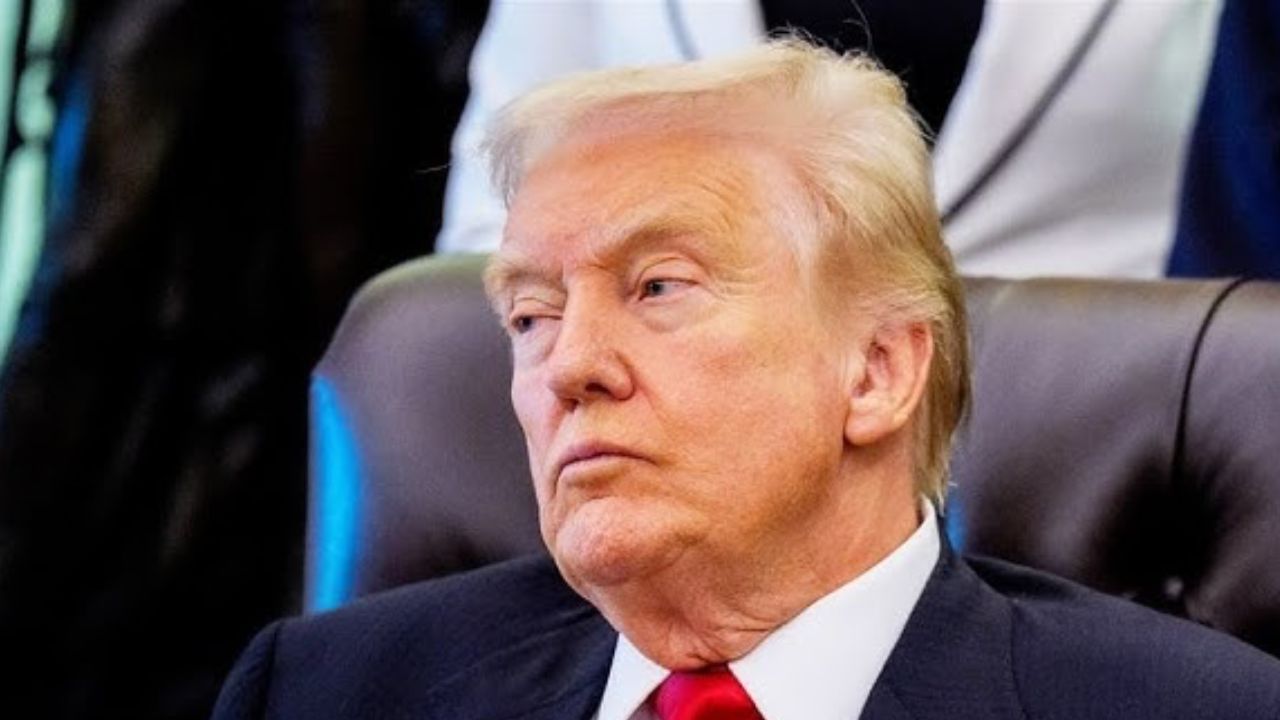
Trump promised not to cut social security but quietly pursued reductions anyway
Donald Trump repeatedly said during campaigns and public appearances that he would protect Social Security and avoid cutting benefits. That message helped reassure older voters who rely heavily on retirement programs and were concerned about possible changes to federal benefits.
At the same time, critics point to budget proposals and policy discussions during his administration that they argue would have reduced spending connected to Social Security programs over time. Supporters counter that the administration focused more on limiting waste and restructuring government spending rather than directly cutting retiree benefits.
What critics point to in past proposals
Much of the criticism comes from budget plans that included reductions in broader federal spending tied to disability programs and administrative funding connected to Social Security operations. Opponents argued those changes could indirectly affect access and support for beneficiaries.
Some analysts also pointed to payroll tax discussions during the COVID-19 period, warning that reducing payroll tax collection without replacement funding could weaken long-term Social Security financing. Supporters of the idea argued it was meant as temporary economic relief rather than a permanent change to the system.
Public promises versus policy debates
One reason this issue continues to generate debate is because Trump publicly separated himself from some traditional Republican positions on entitlement reform. Unlike many fiscal conservatives who openly discussed raising retirement ages or restructuring benefits, he often emphasized protecting Social Security.
Critics argue that behind-the-scenes policy efforts still moved in the direction of spending reductions, even if they were not framed as direct benefit cuts. Supporters reject that interpretation and say no major reduction in standard retirement benefits was ultimately signed into law during his presidency.
Why Social Security remains politically sensitive
Social Security is one of the most politically sensitive programs in the United States because millions of retirees depend on it as a primary source of income. Even discussions about possible changes can trigger strong reactions from voters across both political parties.
That sensitivity is why politicians often speak carefully about the program. Promises to protect benefits are common during campaigns, while budget debates behind the scenes tend to involve more complicated discussions about long-term funding and spending priorities.
Ongoing debate over the future of the program
The broader debate over Social Security did not begin with Trump and is unlikely to end anytime soon. Concerns about long-term funding, an aging population, and rising federal costs continue to pressure lawmakers from both parties.
Some policymakers argue reforms are necessary to keep the program financially stable in future decades, while others warn that even small reductions could harm retirees who already depend heavily on monthly benefits. As a result, Social Security remains one of the most difficult political issues in Washington.

Leo’s been tracking game and tuning gear since he could stand upright. He’s sharp, driven, and knows how to keep things running when conditions turn.