Vietnam-era US soldiers turned to black market for weapons after M16 rifles repeatedly jammed
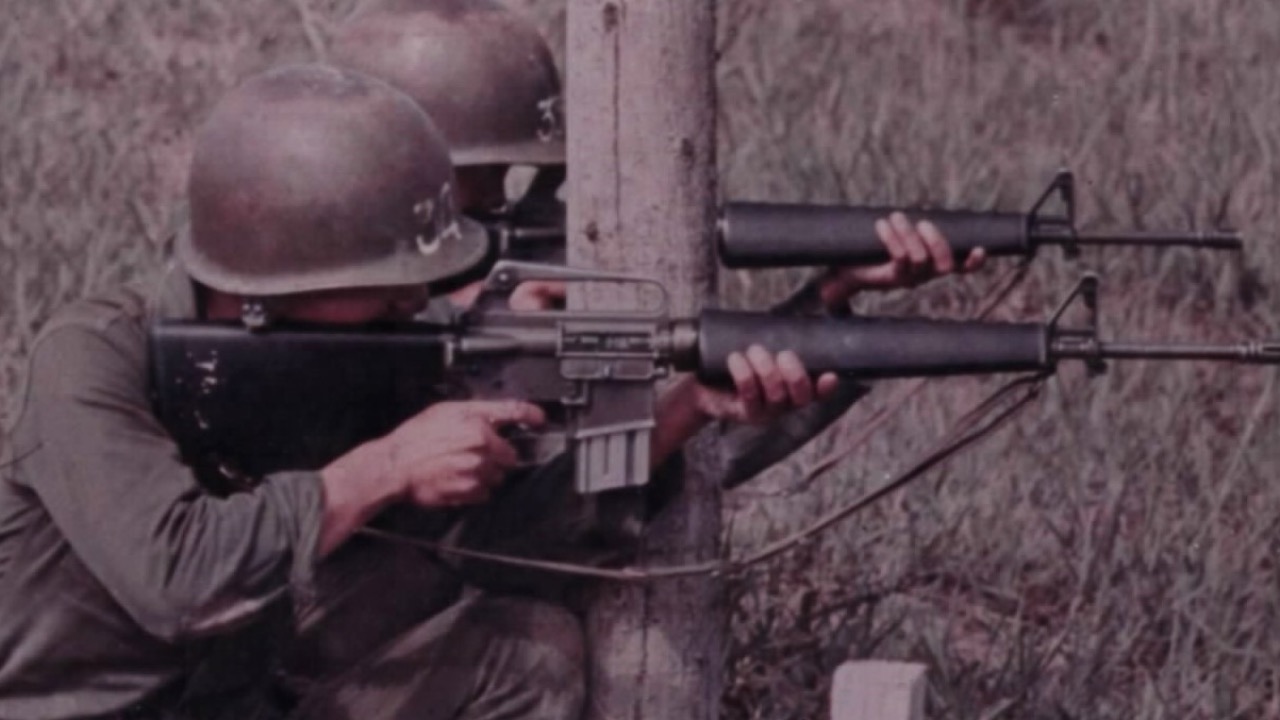
You step into the humid chaos of Vietnam in the mid-1960s carrying what the brass promised would be a game-changing rifle. The M16 arrived as a lightweight alternative to the heavier M14, designed for the close-quarters fighting in dense jungle. Troops received it with a mix of hope and skepticism. Early models looked modern and handled differently from anything most had trained with before. Yet within months, stories spread through units about weapons that quit at the worst possible moments.
The rifle’s introduction came amid rapid deployment pressures. Manufacturers rushed production while the military adjusted training and logistics on the fly. Soldiers in the field quickly learned its limits through hard experience rather than manuals. What started as confidence in new technology turned into frustration when reliability failed under real conditions.
Early signs of trouble in combat
Patrols through thick vegetation exposed the M16’s weaknesses almost immediately. Humidity, dirt, and constant movement combined to create conditions where the rifle’s mechanisms clogged or seized. You might fire a few rounds cleanly, then watch the action lock up with a spent casing stuck tight. Clearing it under fire became a desperate scramble that cost precious seconds.
Units reported these stoppages happening with alarming frequency during engagements. Some soldiers resorted to carrying extra tools or even switching back to older weapons when possible. The gap between expectations set in training and the reality of jungle warfare grew wider with each operation. Maintenance demands proved higher than advertised, leaving many feeling unprepared.
Factors behind the repeated failures
The switch in propellant powder played a major role in turning a promising design problematic. This change increased fouling inside the rifle, especially without proper chrome lining in the chamber. You found yourself fighting both the enemy and your own equipment as residue built up fast in the heat and moisture.
Supply issues compounded everything. Cleaning kits arrived late or in short supply, and instructions for proper care did not always reach frontline troops in time. The combination left rifles vulnerable in ways that earlier testing had not fully revealed. Soldiers adapted by improvising, but the core mechanical issues persisted until later fixes arrived.
Scrambling for better options on the ground
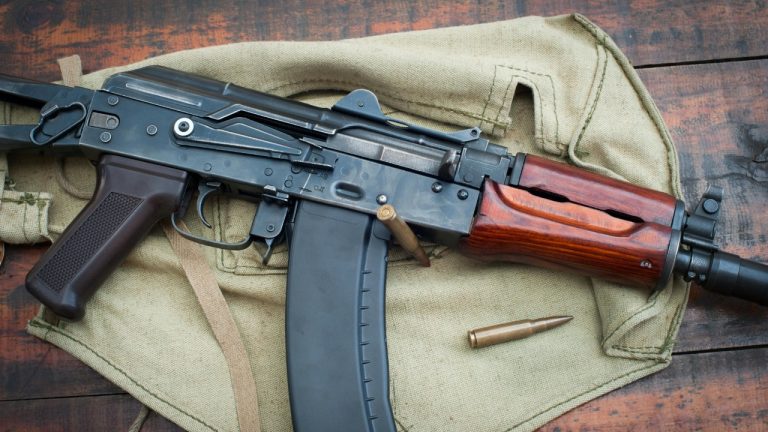
When your issued rifle failed too often, word passed quietly about alternatives circulating through informal channels. Captured AK-47s from enemy forces gained a reputation for keeping working through dirt and neglect. Some troops sought these out through local contacts or trades within larger networks that operated outside official supply lines.
You weighed the risks of using a weapon associated with the other side against the immediate need for something dependable. Ammunition availability factored into decisions, as did the chance of identification issues in the field. These choices reflected deep dissatisfaction with standard gear and a focus on survival during extended operations.
The lasting impact on soldiers and policy
Experiences with the M16 left marks on those who lived through the worst periods. Letters home described the fear of equipment letting you down when it mattered most. Congressional hearings eventually followed, bringing attention to design and procurement shortcomings that affected thousands.
Improvements came over time with better maintenance training, updated components, and refined ammunition. The episode highlighted how decisions made far from the battlefield could shape outcomes in combat. Veterans carried forward lessons about balancing innovation with thorough real-world testing, influencing later small arms development for decades.

Asher was raised in the woods and on the water, and it shows. He’s logged more hours behind a rifle and under a heavy pack than most men twice his age.