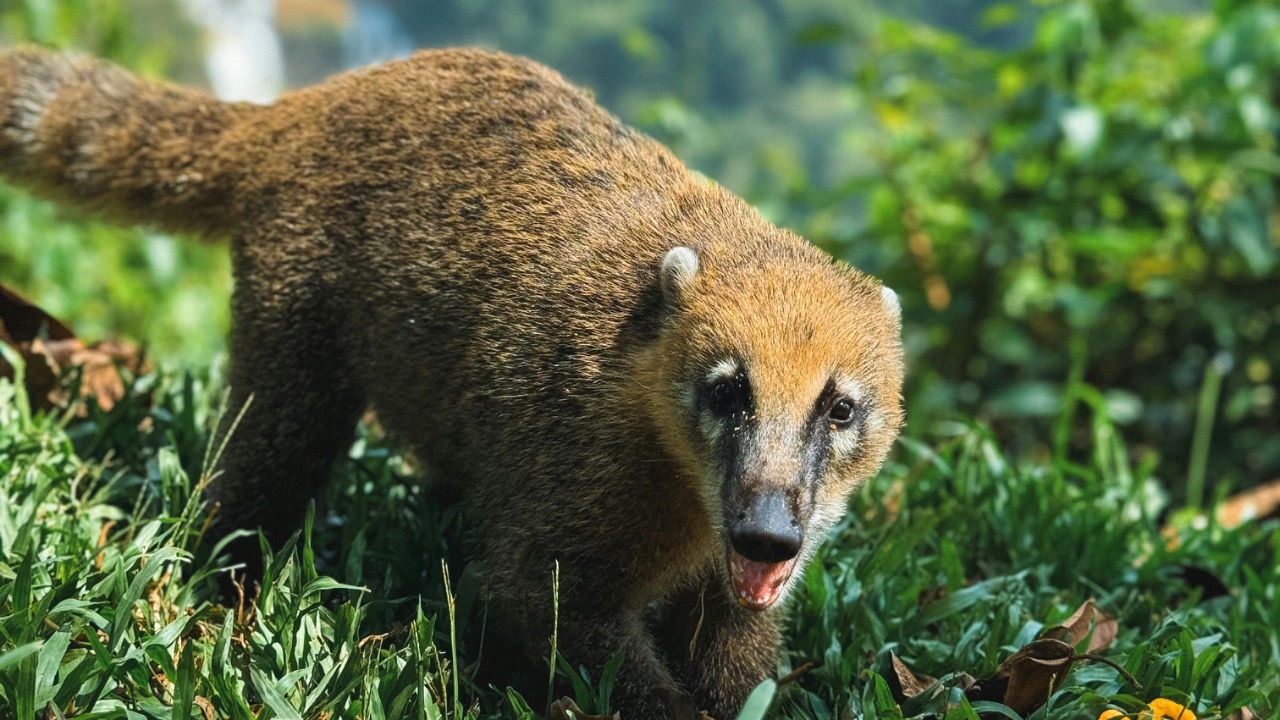
Rare Wildlife Encounters Turn Dangerous: Coatimundi Attack Highlights Human Encroachment Into Arizona’s Desert Ecosystems
Picture yourself finishing a hike in the rocky canyons south of Sierra Vista, the sun dipping low and casting long shadows across the desert floor. You approach your car expecting a quiet end to the day, only to find an unexpected visitor perched on the hood. That is exactly what happened to a Tucson man in Ash Canyon on March 23, 2025. A white-nosed coatimundi had claimed the spot. When he tried to shoo it away, the animal tore off a windshield wiper and then attacked, leaving scratches and bites that sent him to the hospital for rabies shots.
Incidents like this remain rare, yet they signal deeper shifts in how people and wildlife share the Arizona desert. As communities expand and recreation draws more visitors into remote areas, encounters carry new risks. The coatimundi acted out of fear or surprise rather than typical behavior. Its actions remind everyone that the boundaries between human spaces and wild ones have grown thinner.
The Ash Canyon Encounter
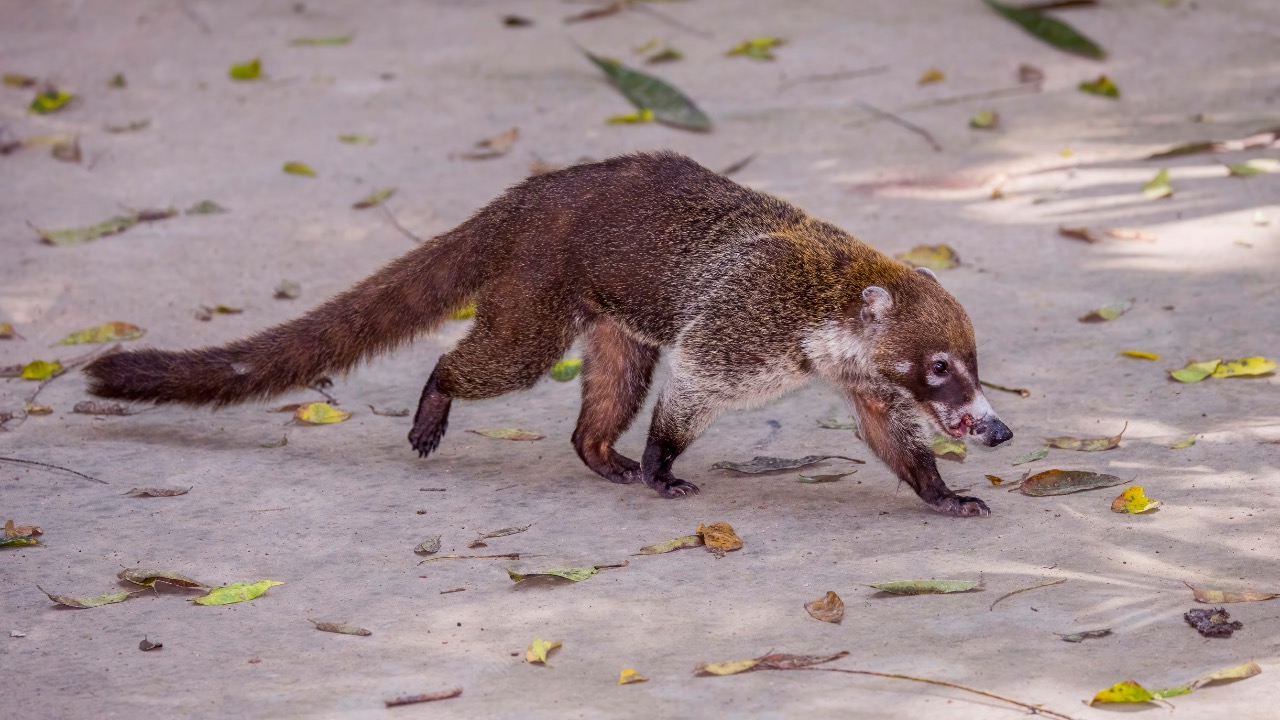
A hiker from Tucson wrapped up his trek through Ash Canyon and returned to his parked vehicle. There sat a coatimundi on the hood, unbothered by his presence. He waved his arms and shouted to move it along. Instead the animal ripped away a wiper blade and leaped down, biting and scratching him before he reached safety inside the car.
Cochise County deputies responded and wildlife specialists searched the area, but the coatimundi was never found. The hiker received precautionary rabies treatment. Officials note that such aggression is uncommon for these animals, which usually avoid people. This case stands out because the coatimundi showed no fear and reacted strongly to being challenged on what it may have seen as its temporary territory.
Understanding White-Nosed Coatimundis
Coatimundis belong to the raccoon family and range from southern Arizona down through Central America. In Arizona they favor wooded canyons, riparian zones, and elevations around 4,500 to 7,500 feet where they forage for insects, fruit, small animals, and nuts. Their long snouts and ringed tails help them navigate rocky terrain and climb with ease.
These social creatures often travel in bands, though adult males tend to roam alone. They stay active during the day and use their keen sense of smell to locate food. While generally shy around humans, they can become bolder in places where people leave food or where habitat pressure forces closer contact. Their curiosity sometimes leads them to investigate vehicles or campsites.
Arizona’s Desert Landscapes Under Pressure
Southern Arizona’s Sonoran Desert supports remarkable biodiversity, yet growing populations and development fragment the land. New housing, roads, and trails slice through former wildlife corridors. Recreation areas near Sierra Vista and Tucson see steady foot traffic that brings people deeper into coatimundi habitat.
This expansion reduces available foraging grounds and forces animals into tighter spaces. When natural food sources dwindle or when people offer handouts, wildlife habits change. The result appears in more frequent visits to human areas and occasional defensive reactions when those spaces overlap.
How Human Activity Changes Wildlife Behavior
You might not realize how much your weekend hike or roadside stop affects local animals. Litter, unsecured food, and intentional feeding teach creatures to associate people with easy meals. Over time some lose their natural wariness. A coatimundi that once kept distance may approach cars or trails expecting a snack.
Habitat loss compounds the issue. As canyons fill with more visitors and border infrastructure creates barriers, animals find fewer safe routes. Stress from these changes can make even normally docile species more reactive when cornered or surprised. The Ash Canyon case fits this pattern of animals pushed into tighter corners.
Health Risks That Accompany Close Encounters
Bites and scratches from any wild mammal carry rabies risk, and coatimundis are no exception. Health officials recommend immediate medical care and post-exposure treatment when contact occurs. In the recent incident, the missing animal could not be tested, leaving uncertainty that required the hiker to complete the vaccine series.
Beyond rabies, wounds can lead to infection from bacteria in the animal’s mouth or claws. These events highlight why maintaining distance protects both you and the wildlife. A few moments of caution prevent weeks of medical follow-up and possible long-term effects.
Shared Responsibility in Desert Conservation
Arizona’s desert ecosystems face ongoing challenges from urban sprawl, recreation, and climate shifts. Protecting coatimundis and other species means preserving connected habitats and limiting unnecessary disturbance. State and federal agencies work on wildlife corridors and education programs to reduce conflicts.
You play a part by following leave-no-trace practices, keeping food secured, and respecting closed areas. Small choices add up. When visitors treat the desert as shared space rather than personal playground, animals keep their natural behaviors and people stay safer during their time outdoors.
Practical Steps for Safer Outdoor Experiences
Stay alert in canyon country, especially near dawn or dusk when animals move more freely. Keep a respectful distance if you spot a coatimundi or other wildlife. Never approach, feed, or try to corner them. Make noise on trails so you avoid surprising animals around bends.
Secure your vehicle and campsite. Store trash properly and avoid leaving items that might attract curious foragers. If an animal seems overly bold or sick, report it to wildlife officials rather than handling the situation yourself. These habits help prevent the kind of escalation seen in Ash Canyon.
Looking Ahead for Arizona’s Wildlife
The coatimundi attack serves as one visible reminder of broader tensions. Continued growth in southern Arizona will test how well people balance access to nature with protection of the animals that live there. Thoughtful planning around development and recreation can maintain healthy populations of coatimundis and the desert web they support.
Ultimately the desert belongs to more than just hikers and residents. Respecting its rhythms keeps encounters rare and mostly peaceful. When you head out next time, carry that awareness with you. A little space and foresight go far toward preserving both your safety and the wild character of these landscapes.

Asher was raised in the woods and on the water, and it shows. He’s logged more hours behind a rifle and under a heavy pack than most men twice his age.