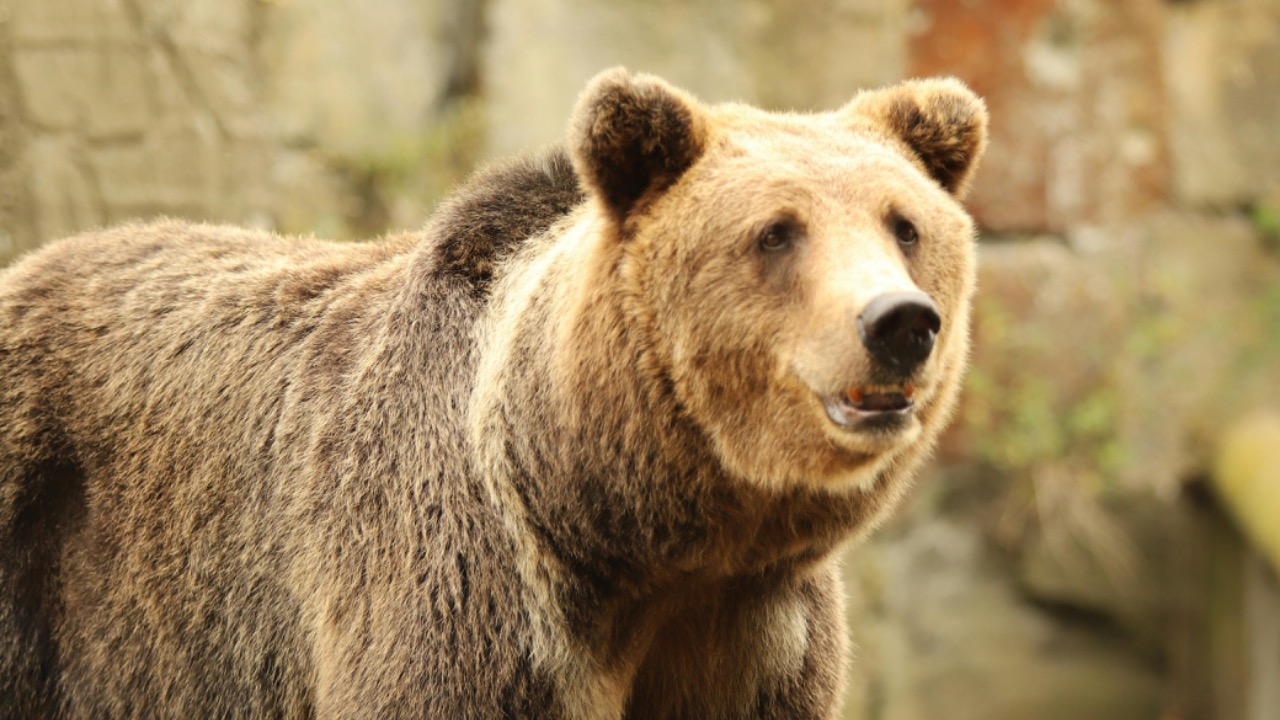
Bear attacks hiker in Montana national park in second incident in weeks: ‘We heard a scream’
A hiker in a Montana national park was attacked by a bear in what officials say is the second such incident in the area in a matter of weeks. The encounter, which left the victim with serious but non-life-threatening injuries, has renewed concern among visitors and park managers already on edge at the start of the busy summer season.
Witnesses reported hearing a scream and seeing other hikers rush to help, as rangers temporarily closed trails and launched a search for the animal. The back-to-back incidents have sharpened questions about visitor behavior, trail management, and how to live with large predators in some of the most heavily visited wildlands in the United States.
What happened
Park officials in Montana confirmed that a solo hiker was attacked on a popular route inside Glacier National Park, a landscape known for steep terrain, thick vegetation, and a dense population of both black bears and grizzly bears. The victim was on a designated trail when the bear charged, knocking the person to the ground and inflicting multiple bites and claw wounds before retreating into the brush. Nearby visitors later told rangers they realized something was wrong when they heard a scream echo from the trees.
According to initial reports, the injured hiker was able to call for help and was assisted by others on the trail who used clothing to slow the bleeding while emergency crews responded. Rangers and paramedics reached the scene on foot, then coordinated a helicopter evacuation to a hospital outside the park. Medical staff described the injuries as serious but not life-threatening, a phrase that has become grimly familiar in a park where bear encounters are a fact of life during peak hiking months.
The attack came only weeks after another visitor in Glacier National Park was injured in a separate bear encounter on a different trail. In that earlier case, park staff said the hiker surprised a bear at close range, triggering a defensive charge. That incident prompted temporary closures in the surrounding area and a reminder for visitors to hike in groups, carry bear spray, and make noise on the trail. The latest attack occurred after those warnings, intensifying scrutiny of how safety messages are reaching the park’s millions of annual visitors and adding to regional coverage of another bear attack.
Rangers have not publicly confirmed whether the most recent attack involved a grizzly or a black bear, and there is no indication yet that the same animal was responsible for both incidents. Wildlife staff are reviewing tracks, hair, and other field signs from the scene, along with witness accounts, to determine the species and whether the bear’s behavior suggests a defensive response or something more predatory. So far, officials have said the attack appeared to be brief and did not involve the bear attempting to feed on the victim, clues that often point toward a surprise encounter rather than a food-conditioned animal.
In the hours after the attack, the park closed the affected trail and posted bear activity warnings at nearby trailheads. Visitors were turned away from the area as rangers swept the corridor, firing cracker shells and using other hazing tools to discourage bears from lingering close to heavy foot traffic. Those immediate steps mirror the response to earlier incidents in the park, including recent coverage of a Glacier National Park that raised similar concerns at the start of the season.
Why it matters
Glacier National Park sits at the heart of one of the last strongholds for grizzly bears in the lower 48 states. That reality is central to the park’s identity and to federal conservation goals, but it also creates a persistent tension with public safety. The back-to-back attacks in Montana underscore how quickly that tension surfaces when visitors are injured, especially when trails marketed as accessible day hikes become the scene of violent encounters.
Grizzly bears were once far more common across the West, and their history in Glacier includes some of the most infamous incidents in National Park Service memory. In 1967, two separate grizzly attacks in one night killed campers in different parts of Glacier, a tragedy that forced the agency to rethink everything from food storage to garbage management. Detailed historical work on those deadly grizzly attacks describes how the events pushed parks to remove open dumps that had attracted bears and to adopt strict rules about how visitors handle food and trash.
Those reforms dramatically reduced the number of food-conditioned bears and the frequency of fatal attacks, but they did not eliminate risk. Modern visitors now hike in a landscape where bears are less likely to associate people with garbage, yet more likely to be encountered on trails that cut through prime habitat. Glacier’s growing popularity has put more people on those routes, increasing the odds that someone will surprise a bear at close range, especially in thick brush or along noisy creeks where sound does not travel well.
The recent Montana incidents also matter because they shape public perception of wild places. For many travelers, a visit to Glacier is a once-in-a-lifetime trip, and news of a hiker screaming for help after a bear attack can be unsettling. Long-time visitors and local communities, however, often stress that coexistence with bears is part of what makes the region unique. They point to survival accounts, such as one detailed narrative of surviving a grizzly in Glacier, to argue that preparation and calm responses can significantly improve outcomes even when the worst happens.
From a management perspective, the cluster of incidents raises questions about whether current messaging and trail policies are enough. Park staff already encourage hikers to carry bear spray, travel in groups of three or more, and avoid hiking at dawn or dusk when bears are most active. The fact that two hikers were attacked in quick succession, despite those guidelines, has spurred debate over whether some high-use corridors should see additional measures such as seasonal group-size requirements or more frequent ranger patrols during peak hours.
There is also a policy dimension that stretches beyond Glacier. Grizzly bears in the Northern Continental Divide Ecosystem are at the center of ongoing discussions over federal protections and state management authority. Each high-profile attack enters that conversation, even when biologists stress that such incidents remain rare relative to the number of people on the landscape. Advocates for strong protections often argue that occasional conflicts are an expected part of recovering a large predator, while some local voices press for more aggressive responses to any bear that injures a person.
What to watch next
In the near term, visitors can expect continued closures and warnings in the section of Glacier National Park where the latest attack occurred. Wildlife staff will monitor the area for repeat bear activity, track sightings, and decide whether the animal involved can remain in the ecosystem without intervention. If evidence suggests the bear acted defensively and has not become food-conditioned, managers typically favor leaving it in place, a decision that reflects both conservation priorities and the understanding that removing every bear involved in a surprise encounter would be neither practical nor ecologically sound.
Investigators will also be looking closely at the circumstances of the attack. Key questions include whether the hiker was alone or in a group, whether bear spray was carried and deployed, and whether there were any attractants such as food or scented items that might have influenced the bear’s behavior. Those details will shape the final incident report and any updated safety messages that the park releases in the coming weeks.
- Carrying bear spray in an accessible holster and knowing how to use it
- Hiking in groups and keeping children close, especially in dense vegetation
- Making consistent noise in areas with limited visibility
- Backing away slowly if a bear is spotted ahead on the trail
- Following all area closures and posted advisories

Leo’s been tracking game and tuning gear since he could stand upright. He’s sharp, driven, and knows how to keep things running when conditions turn.