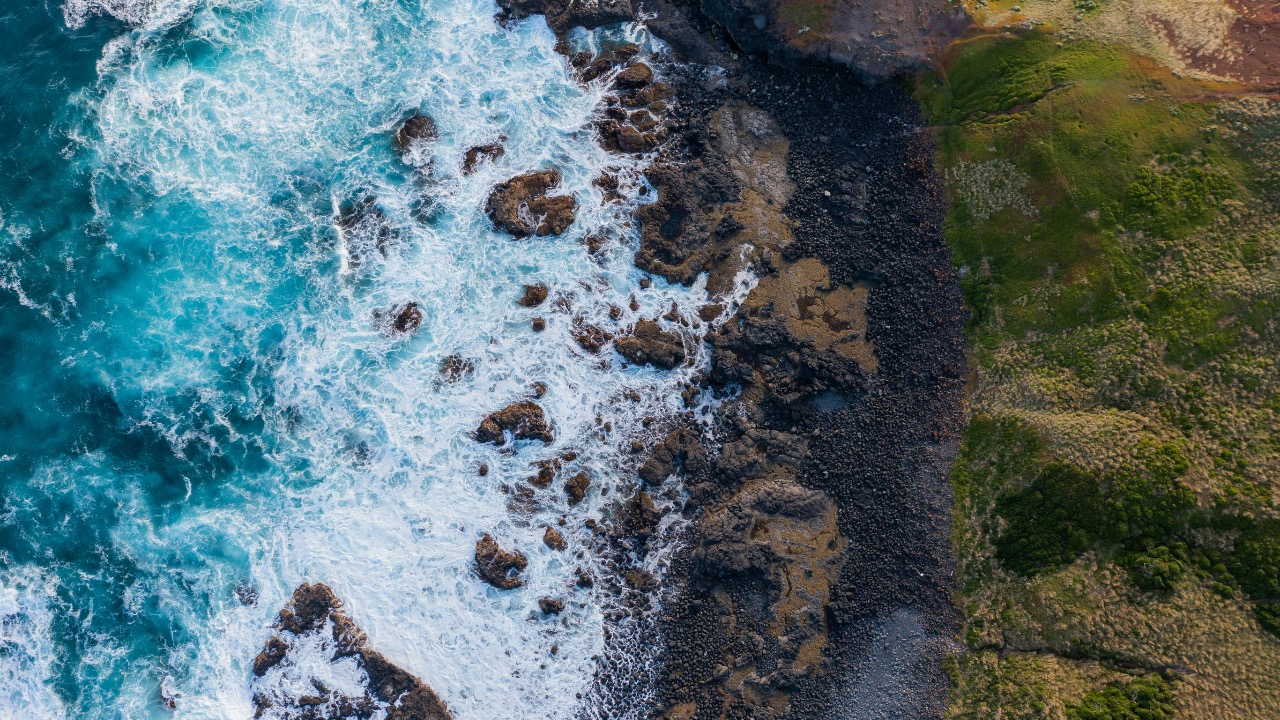
Climate scientists warn of changes that could reshape coastlines
From New York to New South Wales, scientists say the very shape of the shoreline is entering a period of rapid change. Rising seas, stronger waves and accelerating erosion are converging on coasts already crowded with homes, highways and ports, raising the prospect of a very different map by the end of the century.
Researchers now warn that even if governments meet existing climate targets, the physical forces already set in motion could redraw beaches, cliffs and deltas on a scale that modern societies have never experienced.
The science behind a rising ocean
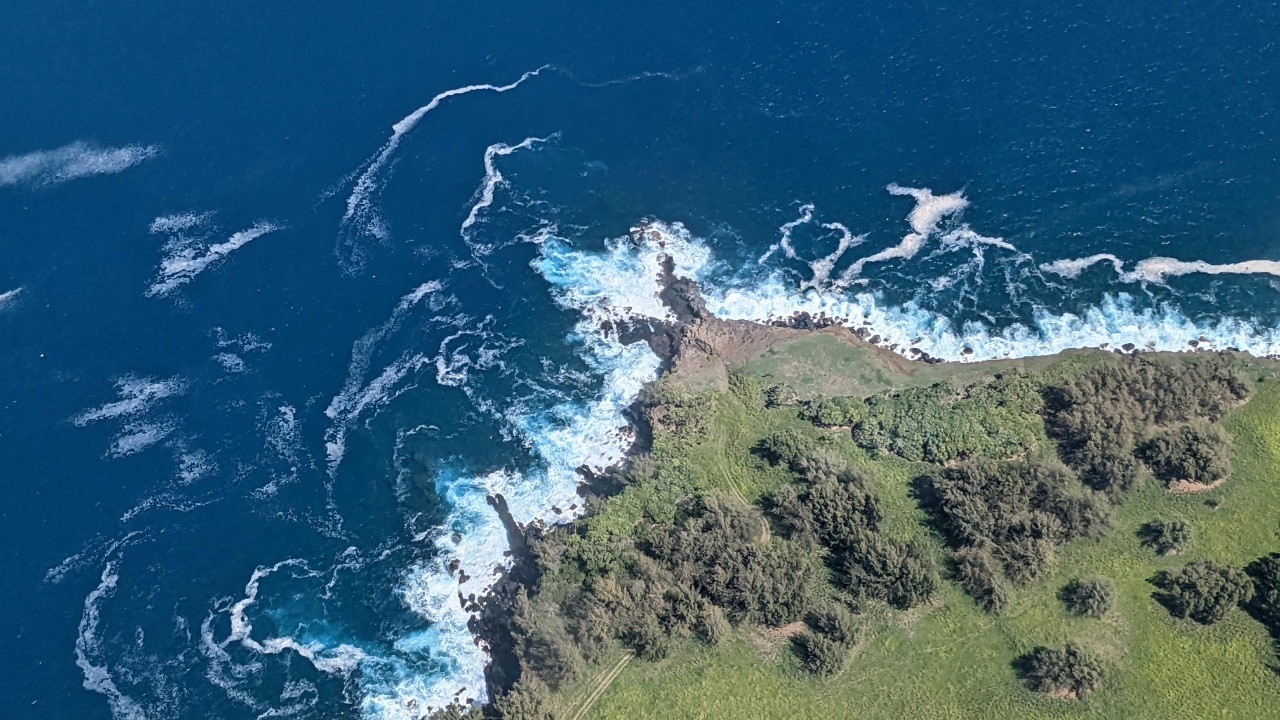
Two main processes are lifting global sea level: melting land ice and the expansion of seawater as it warms. Analyses of global observations describe how glaciers and ice sheets are adding water to the ocean while thermal expansion increases the volume of that water, a combination that has pushed sea level higher in every major ocean basin according to long term Aug records.
Climate assessments project that as long as greenhouse gas emissions keep warming the planet, the ocean will continue to rise for centuries. For the United States, one federal synthesis explains that the amount of additional rise expected by 2050 and 2100 will depend heavily on how quickly emissions are cut, but even lower emission pathways still lock in higher water levels that coastal communities must plan for, according to Sea projections.
Human activity has become a measurable driver of this trend. Satellite analyses and climate models attribute a large share of observed sea level rise to emissions from fossil fuel use and land use change, with one technical review explaining how human activities contribute directly to the extra heat that the ocean now stores, as detailed in Discovered assessments.
New research shows coastal seas higher than expected
While global averages matter for long term planning, what shapes coastlines is the height of the sea at the shore itself. A recent study of water levels along populated coasts found that traditional tide gauge networks and models have been underestimating how high the ocean already sits in many locations. Reporting on that work described how coastal sea heights were also underrepresented in earlier datasets, which has direct implications for flood risk and infrastructure design, according to Coastal analysis.
The underlying research, published in a peer reviewed journal, used satellite altimetry and refined statistical methods to re-evaluate sea surface height near shorelines. The authors concluded that previous approaches had effectively smoothed out some of the local peaks in water level that matter most for storm surge and high tide flooding, as described in the Discovered study.
Those findings align with broader climate assessments that warn of more frequent and intense coastal flooding as seas rise. An international scientific panel has explained in its ocean and cryosphere report that even small increments of additional sea level can sharply increase the frequency of extreme water level events, a concern summarized in Discovered guidance.
Beaches on the brink of disappearance
Sandy beaches, which protect inland areas and support tourism economies, are among the most exposed features. A landmark modeling study found that Almost half of the world’s sandy beaches will have retreated significantly by 2100 under high emission scenarios, a result that has been widely cited by coastal researchers and was highlighted in World research.
Later analyses and presentations have reinforced that message. One coastal scientist, Gerardo Defeo, warned that Almost half of the beaches will disappear by the end of the century if current warming trends continue, stressing that governments need to work with Brazilian researchers and others to manage and conserve coastal ecosystems, as reported in Nov remarks.
A separate synthesis echoed that finding and concluded that half of the world’s beaches could vanish by 2100 because of climate change. Their results showed that the risk of erosion was particularly high in countries where human pollution and sea level rise was more intense, and the authors described how Their modeling relied on a large poll of shoreline profiles and wave conditions, according to Mar analysis.
The physical processes behind this loss are straightforward. As sea level rises, waves reach farther inland and strip sand from the upper beach, while storms chew away dunes that once acted as buffers. Coastal engineers have tried to slow that retreat with beach nourishment, a process that involves transporting sand and other sediments from inland to replace what is lost along the shore, a practice described in Mar reporting.
Rocky coasts and changing waves
Not only sandy beaches are at risk. New modeling from geoscientists suggests that sea level rise will dramatically speed erosion of rock coastlines as well. One study of cliffed shores concluded that higher water levels allow waves to attack the base of rock cliffs more often, which can trigger more frequent collapses and retreat, as described in Rock forecasts.
Wave patterns themselves are expected to shift as the climate warms. A global analysis of wind and wave projections found that significant changes in mean wave height are likely along roughly half of the world’s coasts, with some regions facing taller and more energetic waves that can intensify erosion and flooding, according to Aug modeling.
Ocean experts who study coastal change have been warning that a warmer Earth produces warmer oceans, those oceans expand, and so sea level rises. As one researcher, Patrick Barnard, explained, sea level rise has already begun to transform the way waves interact with beaches, a point emphasized in an Aug interview with.
Hotspots from the United States to South America
Some regions are already living with these shifts. Along the Southeast Coast of the United States, a study led by the U.S. Geological Survey described Intensified Coastal Hazards from Climate Change on U.S. Southeast Coast, outlining how higher seas, stronger storms and human development combine to raise the risk of flooding and erosion for communities from Florida to the Carolinas, as summarized in Intensified Coastal Hazards.
Elsewhere in the United States, long inhabited shorelines such as Rockaway Beach in New York have already seen severe damage from storms that ride on top of elevated seas. Photographs from the Rockaway neighborhood show how People now walk along rebuilt stretches of coast where homes and boardwalks once stood before major storms, an evolution chronicled in Nov images of.
Farther south, tectonic changes add another layer of complexity. Geophysical research has highlighted that South America is literally on the move as the continent interacts with surrounding plates, a slow but powerful process that helps shape mountains, earthquakes and future coastlines, as explained in know South America.
Countries such as Chile face a compound risk from sea level rise, changing wave climates and seismic activity that can abruptly shift land elevations. On the other side of the Pacific, coastal planners in Australia are tracking similar pressures on iconic beaches and low lying suburbs.
Global warnings on climate acceleration and ocean tipping points
Behind these regional stories sits a larger climate system that scientists say is changing faster than expected. A recent synthesis described how Climate change is accelerating and warned that humanity is just three years from overshooting the safest temperature thresholds that would keep some impacts in check, although They also noted that rapid emission cuts could still avoid the worst outcomes, as summarized in Climate findings.
Ocean specialists are increasingly worried about thresholds that, once crossed, could cause irreversible damage to marine systems. Their team of ocean physicists, biogeochemists and ecologists has warned of an emerging climate emergency in the oceans, pointing to rising temperatures, acidification and deoxygenation that critically affect marine species and ecosystems, according to tipping point study.
Glaciers and ice sheets are responding in ways that lock in future sea level rise. One study of Greenland’s so called zombie ice concluded that the ice sheet has already committed the world to at least 10 inches of ocean rise, and warned that it could be even worse, up to 30 inches, if preventative measures fail and warming continues, as reported in Greenland research.
Additional work on global projections suggests that sea levels could rise more than is currently expected because of climate change, with new modeling of ice dynamics pointing to higher end scenarios than many planners have used so far, as described in Mar projections.
Communities already feeling the squeeze
The impacts of these physical shifts are no longer abstract. Analysts estimate that hundreds of millions of people live in low lying coastal zones that are directly exposed to sea level rise and storm surge. A federal ocean service fact sheet, shared through a secure link, describes how a significant share of the global population and economic activity is concentrated near coasts, as outlined in Discovered population data.
Urban planners warn that some cities are at risk of partial or complete loss without aggressive adaptation. One analysis of vulnerable metropolitan areas concluded that the long term survival of these cities, and countless other coastal communities, depends on aggressive global action on climate rather than simply building taller walls against a relentlessly rising tide, a stark assessment presented in these cities.
In Canada, local governments along the Atlantic and Pacific coasts are weighing whether to reinforce existing neighborhoods or retreat from the most exposed zones, as rising seas threaten roads, ports and Indigenous lands in Canada. In the United States, state and city officials are debating similar choices as they confront more frequent flooding in places like Miami, Norfolk and Charleston, decisions that will shape the future of the United States shoreline.
In the Southern Hemisphere, coastal councils in Australia are grappling with erosion that threatens beachfront homes and tourist infrastructure. Similar stories are emerging from small fishing towns and major ports along the Pacific edge of Chile, where rising seas and changing wave climates are already altering the working waterfront.
What scientists say can still be done
Despite the scale of the challenge, researchers stress that choices made over the next few years will heavily influence how extreme coastal changes become. Mitigation remains the first line of defense. One federal climate service notes that Mitigation, in the form of cutting greenhouse gas emissions, is the key to slowing sea level rise because Reducing emissions limits the heat that the ocean can absorb and therefore the amount of expansion and ice melt that coastal communities will face, as explained in Mitigation guidance.
Adaptation will also be unavoidable. Coastal scientists and engineers describe a menu of options that includes restoring wetlands and dunes to act as natural buffers, redesigning infrastructure to accommodate higher water, and in some cases relocating homes and businesses out of harm’s way. Ocean experts have used public forums to warn about coastal shorelines changing over time and how climate change can impact coastal erosion, urging communities to start planning now rather than waiting for the next disaster, as highlighted in an Aug warning from.

Leo’s been tracking game and tuning gear since he could stand upright. He’s sharp, driven, and knows how to keep things running when conditions turn.