Trump unveils framework for Iran deal and says US will ‘destroy nuclear dust’ – ‘I will be meeting now… to make a final determination’
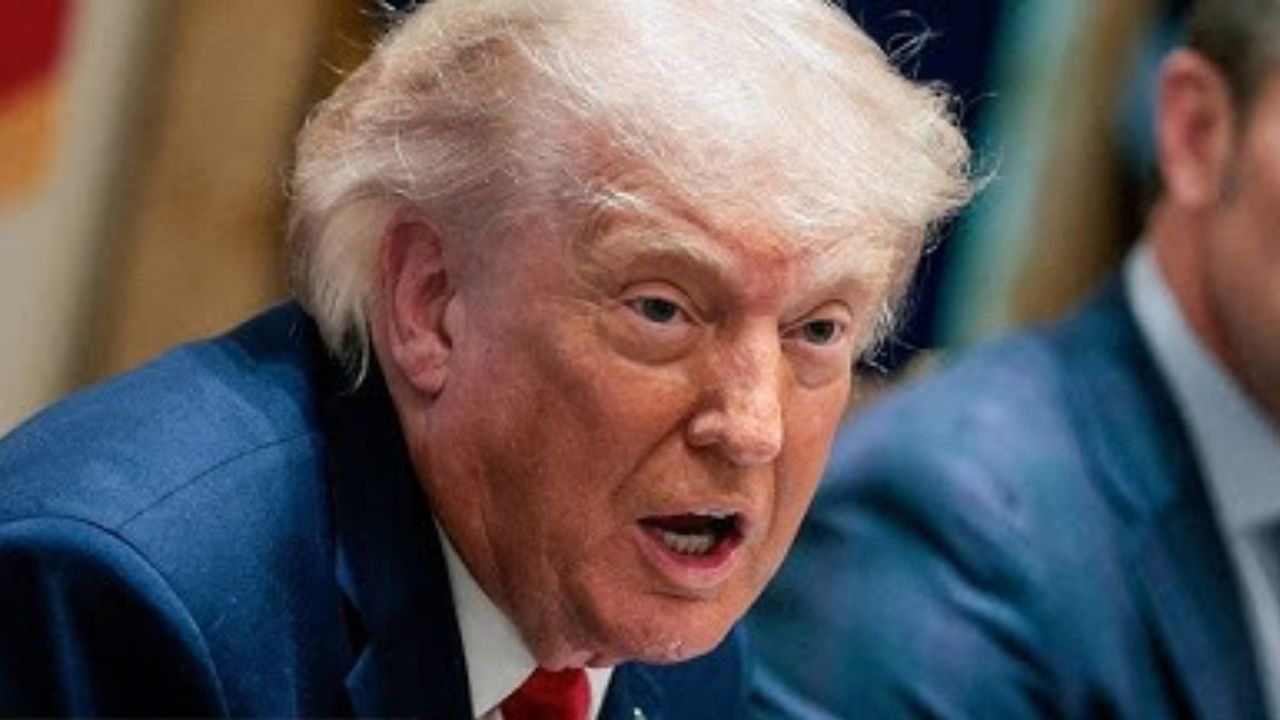
Donald Trump has outlined a draft framework for a new understanding with Iran that he says could avert a wider regional war, while vowing that the United States would “destroy nuclear dust” if Tehran moved toward a bomb. He also signaled that the proposal is not final, telling reporters he would be “meeting now” with senior aides to make a “final determination” on whether to approve the deal.
The comments reflect a familiar Trump mix of maximalist rhetoric and last-minute brinkmanship, with a tentative truce on the table alongside explicit threats of overwhelming force. They also leave allies, markets, and Iran itself trying to gauge how close Washington is to either a ceasefire or a new confrontation.
What happened
Trump’s remarks came as United States and Iranian negotiators outlined a draft truce that would extend an existing ceasefire and set parameters for further talks on Iran’s nuclear and regional activities. According to accounts of the internal discussions, the framework includes a pause in direct attacks between United States forces and Iran-backed groups, coupled with steps by Tehran to restrain militias that have targeted American bases in Iraq and Syria. Reporting on the draft describes it as a “tentative agreement” that still requires formal approval on both sides, with Trump presenting it as a way to halt escalation while preserving military leverage.
In public, Trump framed the proposal as part of a larger strategy to keep Iran from approaching nuclear weapons capability. He said the United States would never allow Tehran to enrich uranium to weapons grade and used the striking phrase “destroy nuclear dust” to describe what American forces would do to any Iranian nuclear infrastructure if intelligence showed a sprint toward a bomb. The language went beyond standard deterrent formulas and was clearly intended as a warning that any move toward weaponization would trigger devastating strikes on nuclear sites, support facilities, and command networks.
Trump also emphasized that the draft truce was still under active review. He told reporters he was heading to the Situation Room for a meeting with top advisers to decide whether to accept the current terms or seek tougher conditions for Tehran. One account described him leaving a public event and moving directly to the secure complex as a “war or deal” decision hung in the balance, with aides presenting military options alongside diplomatic ones while he weighed the risks of a wider clash with Iran against the political costs of appearing to back down.
The president’s own description of the process underscored that sense of brinkmanship. He said he would be “meeting now to make a final determination” on the draft, language that suggested the framework was close to complete but still vulnerable to last-minute changes. In parallel, his national security team briefed reporters that the United States had prepared detailed strike packages against Iranian targets, even as negotiators pursued a ceasefire extension that would reduce the immediate risk of those plans being executed.
Regional reporting described the emerging deal as an effort to lock in a longer pause in hostilities after a series of tit-for-tat attacks raised fears of direct war between the United States and Iran. One account said Washington and Tehran had reached a preliminary understanding to extend a ceasefire that had reduced rocket and drone strikes on American positions, with the new draft linking that extension to clearer commitments from Iran to rein in allied militias. Another source described Trump moving to the Situation Room as the agreement “hung in the balance,” emphasizing how closely the diplomatic track was tied to real-time military calculations.
Political aides, meanwhile, stressed that Trump wanted to be seen as setting tough conditions for Iran. In remarks cited in regional media, he listed specific demands for Tehran, including verifiable limits on uranium enrichment, curbs on ballistic missile development, and steps to reduce support for groups such as Hezbollah and militias in Iraq. He tied acceptance of the truce framework to Iranian movement on those points, presenting the draft not simply as a ceasefire but as an opening bid for a broader realignment of Iran’s behavior.
Why it matters
The stakes of Trump’s decision are high for both regional security and global markets. A sustained ceasefire between United States forces and Iran-backed groups would lower the risk of a sudden clash that could disrupt oil flows through the Strait of Hormuz and trigger a spike in energy prices. Analysts have warned that even a limited exchange of strikes on tankers or export facilities could send Brent crude sharply higher, with ripple effects for inflation and central bank policy. A credible truce framework, paired with clear nuclear red lines, could calm those fears in the short term.
Trump’s vow to “destroy nuclear dust” if Iran moves toward a bomb also locks the United States into a posture that leaves little room for ambiguity. Such a maximalist threat may deter Tehran from crossing certain thresholds, but it also creates pressure to act if intelligence agencies detect activities that Washington interprets as weaponization. The risk of miscalculation is real, especially given the history of disputed assessments over Iran’s nuclear work and the difficulty of monitoring covert facilities.
The draft framework carries significant implications for America’s relationships with key regional partners. Israel has long pushed for a harder line on Iran’s nuclear and missile programs, and Israeli officials will scrutinize any deal for signs that Washington is easing pressure in exchange for only modest constraints. Gulf states such as Saudi Arabia and the United Arab Emirates, which have both confronted and quietly engaged Iran in recent years, will weigh whether a United States–Iran truce enhances their security or leaves them exposed to Iranian leverage.
Domestic politics add another layer. Trump has repeatedly criticized the 2015 Joint Comprehensive Plan of Action and portrayed his own approach as a tougher alternative that combines sanctions, military pressure, and selective diplomacy. A new framework that extends a ceasefire and opens the door to talks could be cast by critics as a partial return to engagement, while supporters may argue that it reflects leverage built through prior pressure. The president’s insistence that he has not yet made a final decision appears crafted in part to preserve political flexibility.
For Iran, the draft truce offers potential economic and security benefits but also carries internal risks. Iranian leaders have faced public anger over the impact of sanctions and the cost of supporting regional proxies. A ceasefire that reduces the likelihood of direct conflict with the United States could ease some of that pressure, especially if it is accompanied by limited sanctions relief or humanitarian measures. Yet hardline factions in Tehran may resist concessions on enrichment or missile work, viewing them as unacceptable infringements on sovereignty.
Internationally, the framework will be watched by European governments that previously acted as intermediaries on the nuclear file. Many of those capitals favor a negotiated solution that restores some version of verifiable limits on Iran’s program in exchange for economic openings. If Trump ultimately rejects the draft or attaches conditions that Tehran cannot accept, European diplomats may find themselves once again trying to contain escalation without a clear diplomatic track to support.
What to watch next
The immediate question is whether Trump’s Situation Room review results in a green light for the draft framework or a decision to walk away. Observers will look for concrete signals in official statements, such as references to a “tentative agreement to extend the ceasefire” or language about new conditions placed on Tehran. Any announcement that the United States and Iran have agreed to extend a truce, even in limited form, would mark a significant step back from the brink that had developed after repeated attacks on American positions.

Leo’s been tracking game and tuning gear since he could stand upright. He’s sharp, driven, and knows how to keep things running when conditions turn.