Amid reports of declining health, Putin spends $26bn on initiative to prevent ageing
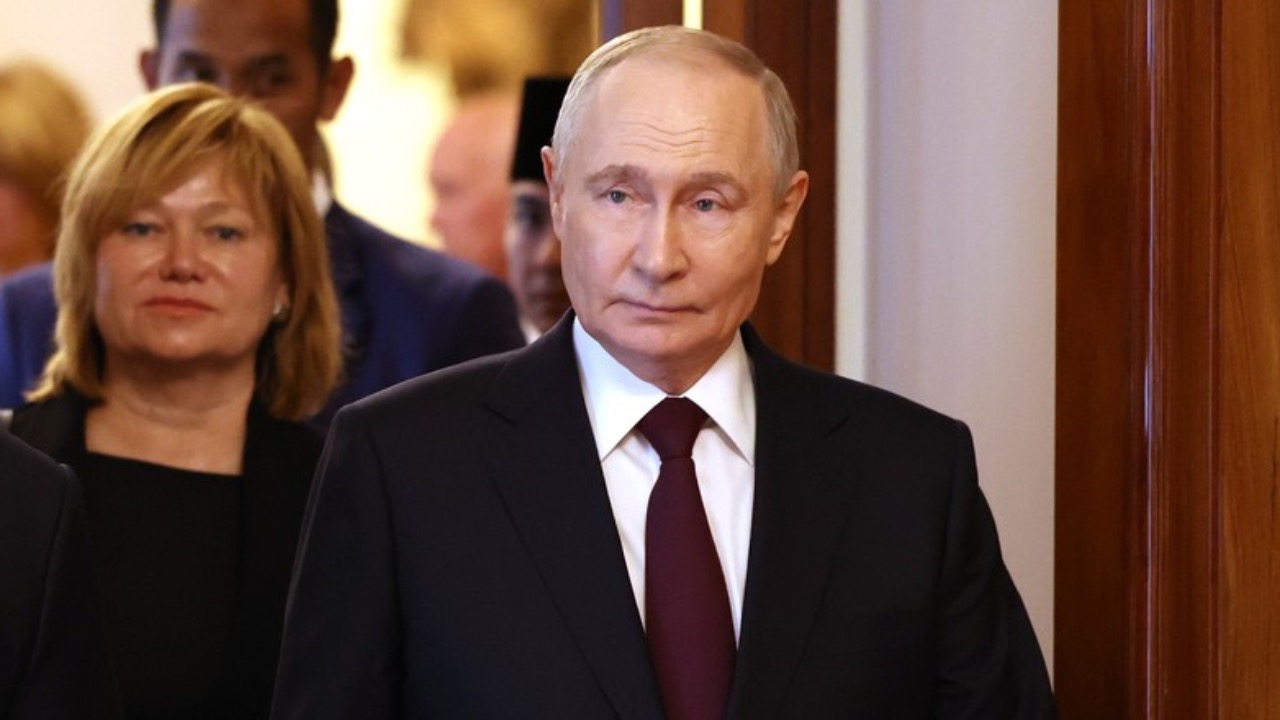
Vladimir Putin has long projected an image of enduring strength, yet persistent questions about his physical condition have circulated for years. At 73, the Russian leader faces ongoing speculation about his health, from visible tremors to moments of apparent frailty during public appearances. Against this backdrop, Russia has committed roughly $26 billion to the “New Health Preservation Technologies” program, a major state effort launched in 2024. The initiative focuses on slowing biological ageing through advanced biomedical approaches, raising questions about how personal concerns might shape national priorities in a country navigating economic pressures and geopolitical tensions.
Health rumors fuel broader questions
Observers have noted changes in Putin’s appearance and movements over time, prompting discussions in both Russian and international circles. These reports coincide with the Kremlin’s emphasis on longevity research as a strategic national goal. The timing invites consideration of whether the massive investment reflects genuine scientific ambition or responds to the realities of ageing leadership in a system where stability often hinges on one figure. You see how such efforts can blend state policy with individual imperatives in ways that influence resource allocation across society.
The program positions Russia as seeking solutions to cellular decline, potentially extending healthy years for citizens while addressing deeper leadership continuity issues. This approach highlights tensions between public image management and the universal challenges of human biology, especially in a nation where average life expectancy has faced setbacks from various factors, including conflict.
The financial commitment at stake
Russia directs significant funds—equivalent to trillions of rubles—toward this longevity drive amid competing demands like military spending and domestic needs. Such a scale underscores the priority given to biomedical innovation over other areas. You recognize the trade-offs involved when a government channels resources into experimental fields during periods of economic strain and international isolation.
This investment aims to yield practical outcomes by 2030, including reduced premature deaths. Officials link it to broader goals of improving population health, yet critics point to opportunity costs. The program’s ambition reflects a calculated bet on science delivering results that could reshape demographics and productivity in the coming decades.
Technologies shaping the research
Scientists under the initiative work on gene therapies designed to slow cellular ageing processes. Additional components include 3D bioprinting of organs and efforts to cultivate compatible tissues in genetically modified mini-pigs for potential transplants. Cryotherapy at extremely low temperatures also forms part of the explored methods, drawing on existing practices in recovery and wellness.
These approaches represent an attempt to tackle ageing at fundamental levels, from DNA interventions to organ replacement strategies. Progress reports mention early successes like printing small glands in lab settings, though full human applications remain distant. The combination of methods suggests a comprehensive strategy rather than reliance on any single breakthrough.
Key figures driving the effort
Putin’s daughter Maria Vorontsova, along with physicist Mikhail Kovalchuk, play notable roles in guiding aspects of the research. Their involvement ties personal networks to state scientific priorities, a common pattern in Russian governance. You see how expertise and influence converge to push forward complex programs in specialized fields.
Support from established biologists and medical teams adds layers to the work, building on prior Russian contributions to areas like peptide research. The structure allows coordination across institutions, though sanctions have complicated access to global collaboration and advanced equipment in recent years.
Doubts surrounding the outcomes
Experts outside Russia express caution about the program’s claims, citing limited peer-reviewed publications and challenges posed by international restrictions. Some former participants have questioned the feasibility of rapid advances in organ cultivation and gene editing under current conditions. You weigh these perspectives against official announcements of steady progress toward clinical goals.
Skeptics highlight past overpromises in similar fields globally, noting that translating lab results into widespread therapies often takes longer than anticipated. The initiative’s targets, such as saving a specific number of lives by decade’s end, invite scrutiny regarding measurement and realistic expectations in a complex area of science.
What this means moving forward
The longevity program illustrates how ageing concerns can elevate certain research areas to national importance. In Russia’s case, it connects leadership dynamics with efforts to influence demographic trends and scientific standing. You consider the potential ripple effects if meaningful advances emerge, from healthcare improvements to shifts in how societies view extended lifespans.
Ultimately, the $26 billion push reflects deeper calculations about power, vulnerability, and the future. Whether it delivers transformative results or serves more symbolic purposes will unfold over time, as researchers navigate both technical hurdles and the broader context of Russian priorities.

Asher was raised in the woods and on the water, and it shows. He’s logged more hours behind a rifle and under a heavy pack than most men twice his age.