Russia Has Lost 1.3 Million Soldiers in Ukraine War, With 1,000 Reported Dead in Past 24 Hours
You’ve seen the numbers getting thrown around—big, round figures that carry a lot of weight. But when it comes to the war between Russia and Ukraine, casualty counts are one of the hardest things to pin down with certainty.
Claims that Russia has lost 1.3 million soldiers, with 1,000 killed in a single day, reflect one side’s estimates—not a universally verified total. What you can do is step back, look at how these numbers are built, and understand what they actually tell you about the fight on the ground.
Casualty Numbers Come From One Side of the Fight
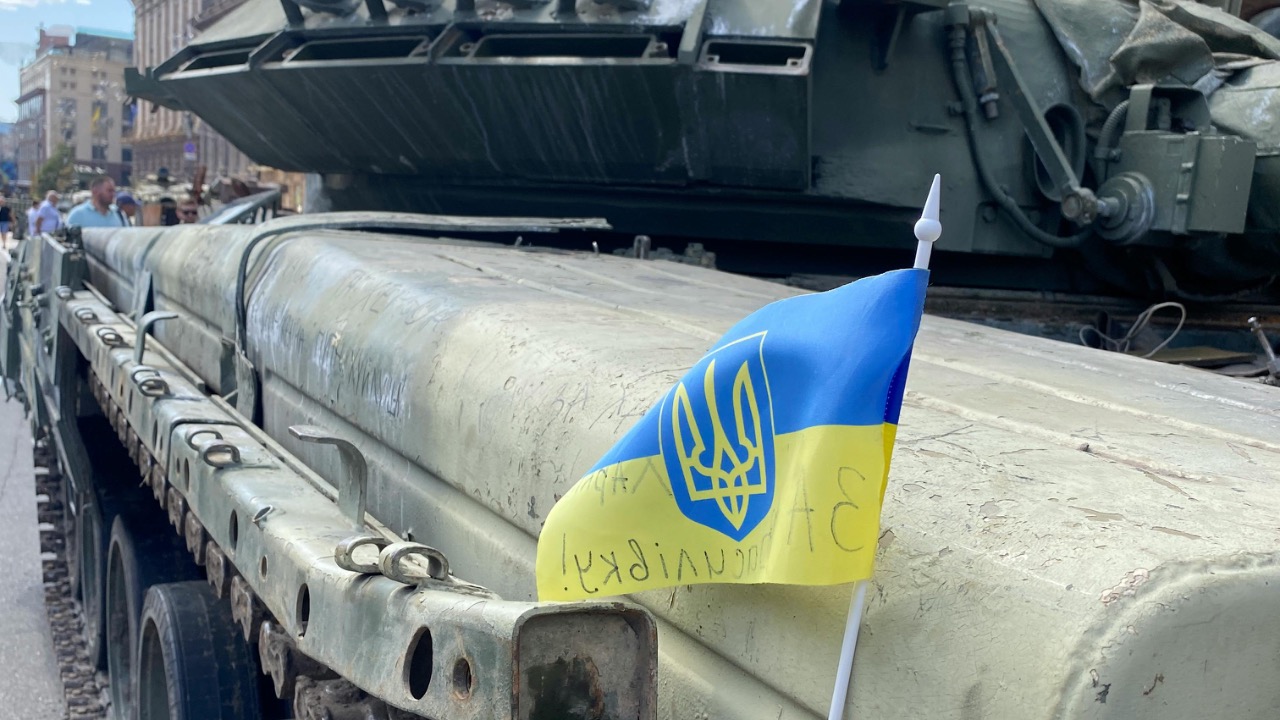
Most of the high-end figures you see are released by Ukraine’s military. They track Russian losses daily and publish running totals that include killed, wounded, and missing.
That matters because wartime reporting isn’t neutral. Each side shapes its message for morale and strategy. Independent verification is limited, especially during active fighting. So when you hear a number like 1.3 million, you’re looking at an estimate from one government, not a confirmed tally agreed on by both sides or outside observers.
“Casualties” Doesn’t Mean What Most People Think
When those numbers get reported, they’re often described as “losses,” not strictly deaths. That includes wounded soldiers, many of whom return to duty, along with those captured or missing.
If you read it as 1.3 million killed, you’re misunderstanding the figure. Deaths are only a portion of that total. Modern warfare produces a high number of injuries relative to fatalities, especially with improved medical evacuation and treatment. The distinction matters if you’re trying to understand the real scale of loss.
Daily Death Claims Are Hard to Confirm
Reports of 1,000 killed in a 24-hour window get attention fast. They’re dramatic, and they suggest intense fighting. But daily figures are even harder to verify than long-term totals.
Front lines shift, communication breaks down, and both sides have reasons to frame the fight in a certain way. Independent analysts tend to look at longer trends rather than single-day spikes. A reported surge might reflect a real battle, but it can also be influenced by delayed reporting or strategic messaging.
Independent Estimates Tend to Be Lower
When outside groups—intelligence agencies, research organizations, and media investigations—put together their own numbers, they usually land well below the highest claims.
That doesn’t mean the war hasn’t been costly. It has. But the gap between official statements and independent estimates shows how uncertain the picture is. Confirming casualties in a large-scale conflict takes time, access, and verification methods that aren’t always available in the middle of a war.
The War Has Been Exceptionally Costly Regardless
Even with conservative estimates, the war has produced heavy losses on both sides. Long front lines, artillery-heavy fighting, and repeated offensives all drive casualty counts up.
You don’t need an exact number to understand the scale. The fighting has stretched over years, with major battles grinding down units and equipment alike. Whether the total is lower or higher than claimed, the cost in manpower is significant and continues to shape how both militaries operate.
High Losses Are Tied to How the War Is Fought
This isn’t a fast-moving conflict. Much of the fighting relies on artillery, drones, and entrenched positions. That kind of warfare tends to produce steady, ongoing casualties rather than short bursts.
Repeated assaults on fortified positions, especially in contested areas, can drive losses higher. When you hear about large numbers, they’re often tied to these grinding conditions rather than a single dramatic event. It’s a slower, harsher kind of conflict that wears forces down over time.
Information Warfare Is Part of the Battlefield
Numbers don’t only describe the war—they’re part of it. Both sides use casualty figures to influence perception at home and abroad.
Higher reported enemy losses can boost morale and support. Lower reported own losses can steady public confidence. That doesn’t mean every number is false, but it does mean you should read them with context. In modern conflict, information moves alongside troops, and it’s used with purpose.
When you step back, the headline number matters less than the pattern behind it. The war between Russia and Ukrainehas been long, costly, and difficult to measure in real time. The figures you see are part fact, part estimate, and part strategy—and understanding that is what keeps you grounded in what’s really happening.

Asher was raised in the woods and on the water, and it shows. He’s logged more hours behind a rifle and under a heavy pack than most men twice his age.