Trump dismisses Iran talks as ‘very boring’ as he suggests Americans ‘willing to pay a little bit more’ at the pump
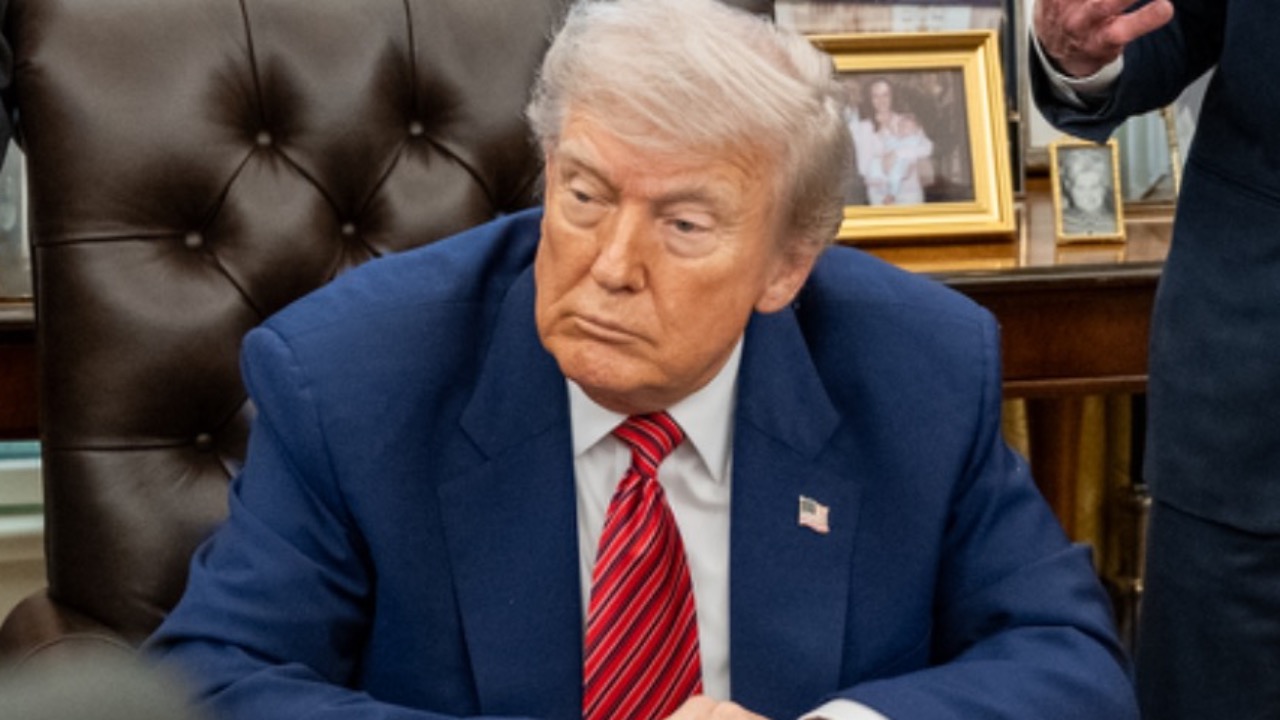
President Donald J. Trump has offered a blunt assessment of ongoing negotiations with Iran, describing them as increasingly tedious in a recent interview. His remarks come amid heightened tensions in the Middle East and rising energy costs that have hit American households. Trump indicated that he sees little urgency in prolonging the discussions, framing the situation around larger security goals rather than immediate diplomatic breakthroughs.
The comments reflect a shift in tone from earlier optimism about resolving the conflict quickly. With oil markets disrupted and gasoline prices elevated across the country, the president’s perspective highlights a willingness to endure short-term economic pressures for what he views as essential long-term objectives.
Trump’s Direct Comments on the Talks
In a phone conversation with CNBC, Trump stated that the negotiations had started to get very boring. He added that he does not care if they end, emphasizing that the process had dragged on longer than expected.
This straightforward language underscores his impatience with the pace of diplomacy. Observers note that such candor aligns with his long-standing approach to foreign policy, where results matter more than prolonged engagement. The remarks arrived as reports surfaced of stalled progress and continued regional frictions.
Views on Gas Prices and Public Tolerance
Trump suggested that many Americans understand the need to prevent Iran from developing nuclear capabilities. He indicated that people would accept paying a little more at the pump if it served that purpose.
Current average gasoline prices have climbed above four dollars per gallon in many areas, driven by supply disruptions tied to the conflict. The president has pointed to domestic energy resources as a buffer, arguing that the country can weather the period while maintaining pressure on Tehran.
The Broader Economic Picture
Higher fuel costs have rippled through the economy, affecting everything from transportation to consumer goods. Families in places like Texas and the Midwest feel the pinch at grocery stores and on daily commutes.
Administration officials have pointed to releases from the Strategic Petroleum Reserve and increased domestic production as measures to ease some strain. Still, analysts caution that full relief may depend on stabilizing the situation in the Persian Gulf.
Reactions from Lawmakers and Critics
Democrats and some independent voices have criticized the approach, linking the price increases directly to the handling of the Iran situation. They argue that the costs outweigh any strategic gains.
Republican supporters, meanwhile, back the focus on containing Iran’s nuclear ambitions. They see the president’s comments as evidence of resolve rather than indifference to everyday concerns. The divide mirrors larger debates about balancing security interests against domestic economic realities.
Looking Ahead on Diplomacy and Energy
The path forward remains uncertain as both sides assess their positions. Trump has maintained that strong leverage, including potential military options, remains on the table if talks collapse entirely.
Energy markets continue to watch developments closely. Any lasting resolution could ease pressures on global oil supplies, particularly through the Strait of Hormuz. For now, the administration appears prepared to manage the situation without rushing concessions.

Asher was raised in the woods and on the water, and it shows. He’s logged more hours behind a rifle and under a heavy pack than most men twice his age.