Trump says Iran’s military spared as ‘somewhat moderate’ compared with regime hardliners
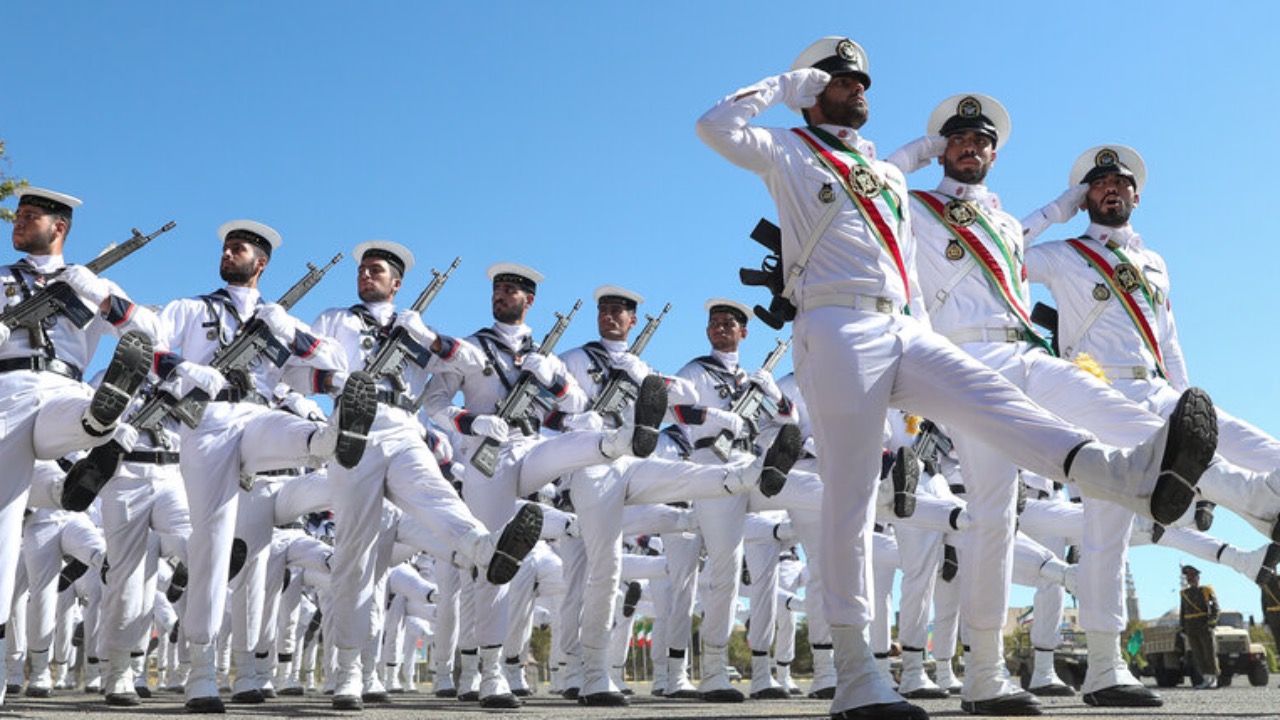
President Donald Trump recently offered a nuanced view of the Iranian armed forces during an interview, highlighting a deliberate choice in how U.S. operations targeted different parts of the regime. He described the conventional military as somewhat moderate in contrast to harder-line elements, suggesting this distinction guided decisions on strikes. This approach reflects lessons from previous conflicts about the risks of completely dismantling a nation’s institutions.
The comments come amid a fragile ceasefire and ongoing negotiations following months of U.S. and Israeli actions against Iranian targets. Trump emphasized that while certain capabilities were eliminated, the broader military structure was handled with restraint to support potential long-term stability in the region.
Strategic Distinctions in Targeting
Trump pointed out that Iran’s navy and air force suffered complete losses during the operations. He described these branches as fully eliminated, underscoring the scale of the damage inflicted on specific military assets. This selective pressure aimed at weakening the regime’s offensive reach without erasing every element of its defense establishment.
Such decisions stem from a broader calculation about post-conflict dynamics. By preserving parts of the regular military, the administration appears to have sought pathways for Iran to maintain basic order and eventually rebuild under new conditions. Trump noted that total destruction in past wars has often left countries unable to recover for decades, creating power vacuums that complicate diplomacy.
Context of Regime Divisions
The president’s remarks draw attention to perceived differences within Iran’s power structure. He suggested that the regular military operates with a different outlook than more ideological factions tied to the regime’s core leadership. This framing positions the military as potentially more pragmatic in dealings with the outside world.
Observers have long tracked tensions between various Iranian institutions, including the Islamic Revolutionary Guard Corps and traditional armed forces. Trump’s comments add to discussions about how these internal lines might influence future negotiations or the country’s direction after the recent setbacks.
Implications for Rebuilding and Stability
Leaving much of the conventional military intact serves a practical purpose according to Trump. He argued that avoiding complete wipeout prevents the kind of prolonged instability seen in other theaters. The goal seems to be enabling a functional state that can engage constructively once leadership issues are addressed.
This stance aligns with warnings about the challenges of nation-building after major conflicts. By sparing certain structures, the U.S. may aim to create conditions where Iran can stabilize without descending into chaos that could spill across borders and affect global energy routes.
Ongoing Negotiations and Leverage
The assessment arrives as talks continue under a Pakistan-mediated ceasefire. Trump has maintained that the U.S. holds strong leverage due to the damage already done to key Iranian capabilities. He indicated openness to further action if negotiations fail to produce acceptable terms on nuclear issues.
These developments highlight the complex balance between military pressure and diplomatic outreach. The sparing of the military could provide a foundation for future agreements, though much depends on how Iranian factions respond to the changed realities on the ground.
Lessons from Past Conflicts
Trump referenced historical examples where overreach in dismantling institutions led to extended problems. His comments suggest an effort to apply those experiences to the Iran situation, prioritizing targeted outcomes over blanket destruction. This reflects a calculated view of what reconstruction might require in the Middle East.
Such thinking underscores the administration’s approach to the conflict. It attempts to thread a path between weakening threats and preserving enough structure for a viable future partner in regional security matters.

Asher was raised in the woods and on the water, and it shows. He’s logged more hours behind a rifle and under a heavy pack than most men twice his age.