‘The execution shall commence’: Marine combat veteran accused of plotting to snipe Trump with service rifle from 300 yards
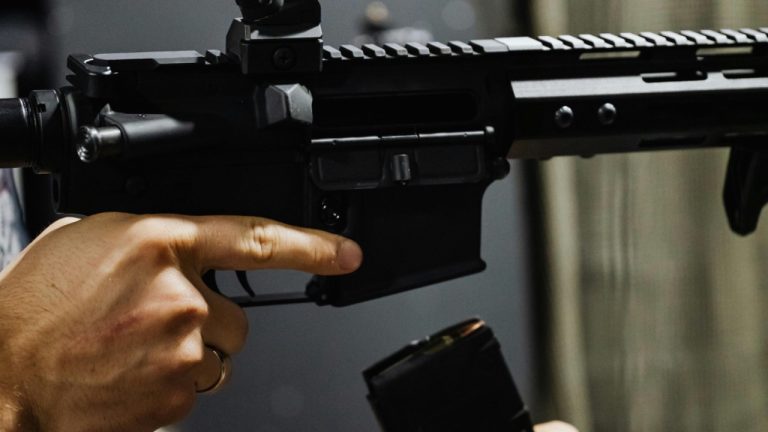
Rene Ortiz, a combat veteran of the U.S. Marines, stands accused of leaving behind documents at federal courthouses in Arizona that detailed plans to target President Donald Trump with precise sniper fire. Prosecutors say the writings, submitted in late 2024 around the time of the presidential election, referenced using an M-16A2 service rifle from distances of 300 yards or more.
The case has unfolded against a backdrop of heightened concerns over political violence, coming after other incidents involving threats to high-profile figures. Ortiz’s arrest in early 2025 and the ongoing trial highlight the challenges authorities face in distinguishing heated rhetoric from genuine danger, especially when it involves individuals with military training.
The Documents Left at Courthouses
Federal authorities recovered papers that Ortiz hand-delivered to facilities in Phoenix and Tucson. In them, he outlined demands tied to personal disputes and warned that failure to act would lead him to take matters into his own hands. The language included phrases about an “execution” beginning and specified targeting the head with multiple rounds.
Prosecutors presented these materials as evidence of intent during the trial that started this week. They noted references to marksmanship qualifications from his service, suggesting confidence in carrying out such an act from a distance. Court records show the documents addressed both potential election outcomes at the time but focused on Trump after the results came in.
Ortiz’s Military Service and Background
Ortiz served in the Marines and saw combat, earning recognition for his shooting skills during his time in uniform. He later worked at the Department of Veterans Affairs in a civilian capacity, an experience that appears central to his grievances.
Those who have followed the proceedings describe him as someone grappling with frustrations common among veterans seeking support after their service. His hometown of Casa Grande, Arizona, places him in a region with a significant military community, where issues of post-service care often surface in public discussions.
Grievances with Veterans Affairs
At the heart of the threats, according to interviews with federal agents, lay unresolved problems with education benefits promised by the VA. Ortiz reportedly quit his job there expecting reimbursement for schooling that never materialized, fueling deep resentment.
He told investigators that his actions stemmed directly from this dispute. The documents framed the threats as a conditional response—if his rights were not addressed, he claimed entitlement to act against the incoming administration. Defense attorneys have pushed back, arguing the writings reflected desperation rather than a concrete plot.
The Investigation and Arrest
Secret Service agents interviewed Ortiz in December 2024 at their Phoenix office. He acknowledged authoring the documents and reiterated his conditions during questioning. Authorities moved forward with charges after determining the statements crossed into criminal territory.
His arrest came in early 2025, shortly before the inauguration. He was later released under certain conditions but now faces trial on threat-related counts. The four-day proceeding has included opening statements that laid out the timeline and the specific wording used in the filings.
Defense Arguments in Court
Ortiz’s public defender has maintained that the documents were not serious plans but exaggerated pleas for attention to his benefits issues. They argue no actual steps toward violence were taken and that the veteran was out of touch with how such language would be received.
Testimony and filings emphasize the absence of weapons procurement or reconnaissance tied to the threats. This approach seeks to portray Ortiz as frustrated but not dangerous, aiming to separate his words from any real capability or willingness to follow through.
Broader Patterns of Threats to Political Figures
This case fits into a larger pattern of individuals expressing extreme discontent toward elected leaders through official channels. Federal prosecutors have handled similar matters involving veterans and others who blend personal hardships with political anger.
Law enforcement agencies continue to monitor such communications closely, balancing free speech protections with public safety. The trial underscores ongoing debates about how best to address mental health and support systems for those who served, particularly when grievances escalate in writing.
Potential Outcomes and Implications
As the trial continues, observers watch for how the jury weighs the evidence against Ortiz’s intent. A conviction could carry significant penalties, while acquittal might highlight limits in prosecuting speech without accompanying actions.
The proceedings also shine a light on veterans’ struggles with bureaucracy. Advocates on both sides hope the attention leads to better handling of benefit claims, reducing the kind of isolation that can turn personal setbacks into public confrontations.

Asher was raised in the woods and on the water, and it shows. He’s logged more hours behind a rifle and under a heavy pack than most men twice his age.