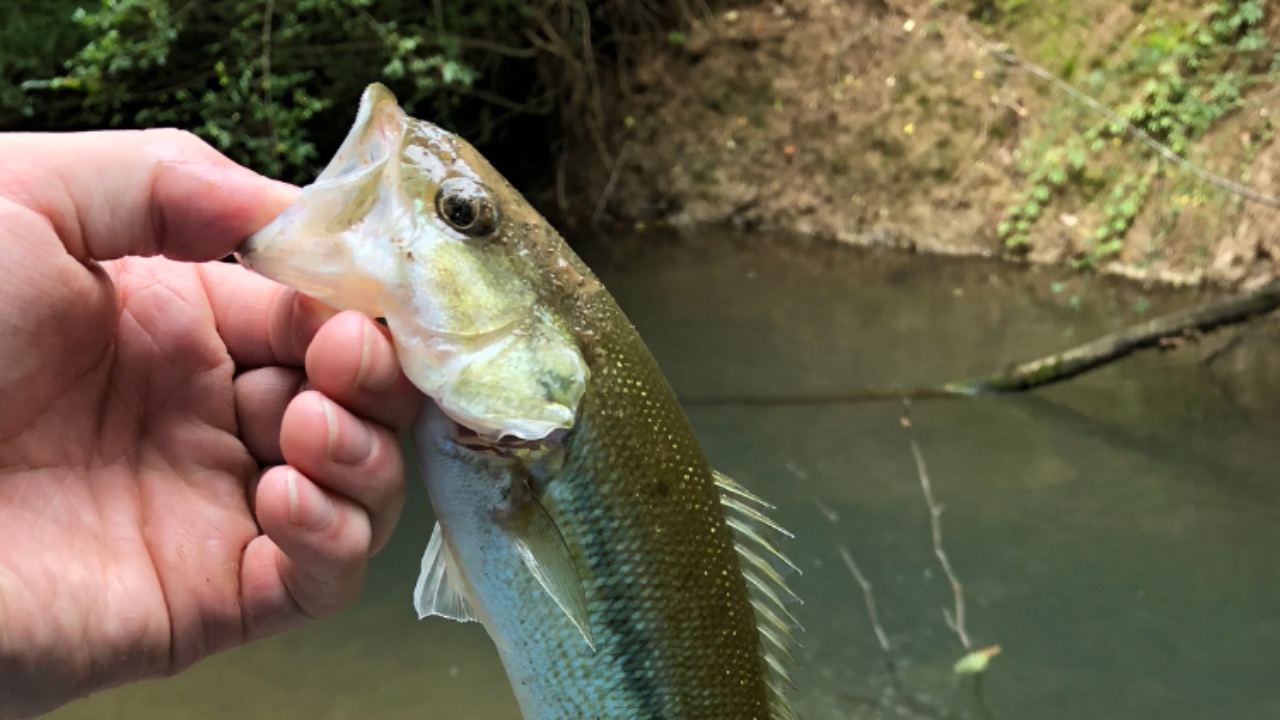
Kentucky biologists raise alarm after invasive bass hybrids found breeding in lake
Biologists in Kentucky have identified something unexpected in Lake Linville. Hybrid fish from Alabama bass crossed with spotted bass now appear in the state’s waters for the first time. This 356-acre lake in Rockcastle County near Mount Vernon has become the focus of close attention. The discovery came during standard surveys when two fish caught looked like spotted bass but proved different under genetic testing.
Officials worry about what this means for local ecosystems. Alabama bass come from regions in Mississippi, Alabama, and Georgia. When they move outside those areas, they often outpace native species in competition for resources and mates. The hybrids signal that breeding has taken hold here, prompting urgent checks across the lake’s bass population.
The Discovery Process
Routine sampling by Kentucky Fish and Wildlife teams turned up the first clues in recent weeks. They pulled in specimens that seemed ordinary at first glance. Closer examination through lab analysis revealed the Alabama bass genetics mixed with local spotted bass. This marks an unprecedented find in the state.
Teams have since expanded their efforts to map how widespread the hybrids might be. They continue collecting samples and running tests to understand the scale. Early results have heightened caution among those who manage these fisheries, as the presence suggests ongoing reproduction rather than a one-off event.
Why Alabama Bass Pose Risks
Alabama bass tend to thrive aggressively in new environments. They compete directly with smallmouth bass and spotted bass for food and habitat. Over time, this pressure can shift the balance in lakes where those native fish have long dominated.
Interbreeding adds another layer of difficulty. Hybrids can dilute the genetic lines of pure native populations. In some cases, this leads to fewer fish that carry the traits anglers and ecosystems have relied on for generations. The concern centers on gradual replacement that proves hard to reverse once established.
Lake Linville in Focus
This reservoir sits in a region known for its fishing opportunities. Anglers visit for the chance to target various bass species in its contained waters. The arrival of these hybrids introduces uncertainty about future conditions there.
Biologists now prioritize data from this site to guide next steps. They track population dynamics and watch for signs of broader spread. The lake’s size makes it manageable for study, yet the implications reach beyond its shores if movement to connected waters occurs.
Impacts on Native Species
Smallmouth bass and spotted bass hold important places in Kentucky’s aquatic communities. They support recreational fishing and maintain ecological roles in the food web. Hybrid competition threatens their numbers by claiming space and resources more effectively in many scenarios.
Longer term, the mixing of genetics could alter what anglers encounter on the water. Pure strains might become rarer, changing the character of local fisheries. Managers weigh options carefully to protect what remains while learning more about the new arrivals.
Current Response Efforts
State teams have increased monitoring around Lake Linville and nearby areas. They encourage reports from those who fish the waters to help track any additional sightings. Genetic tools provide the clearest way to separate hybrids from similar-looking natives.
Public awareness plays a key part in containing the issue. Anglers who understand the stakes can avoid actions that might move fish unintentionally. Officials stress the value of careful handling and reporting to support ongoing work by the department.
Marcy Anderson, who coordinates southeast fisheries programs, noted the discovery raises real questions for the state’s bass management. The situation remains under active review as more information comes in.

Asher was raised in the woods and on the water, and it shows. He’s logged more hours behind a rifle and under a heavy pack than most men twice his age.