Iran’s ballistic missile attack amounts to declaration of war, says senior Israeli official
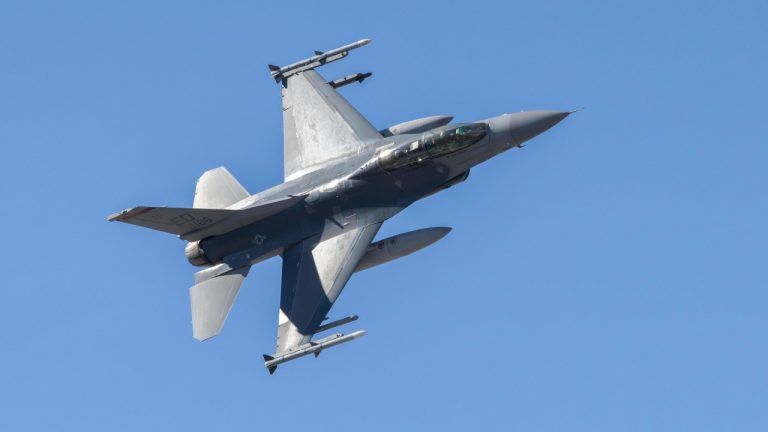
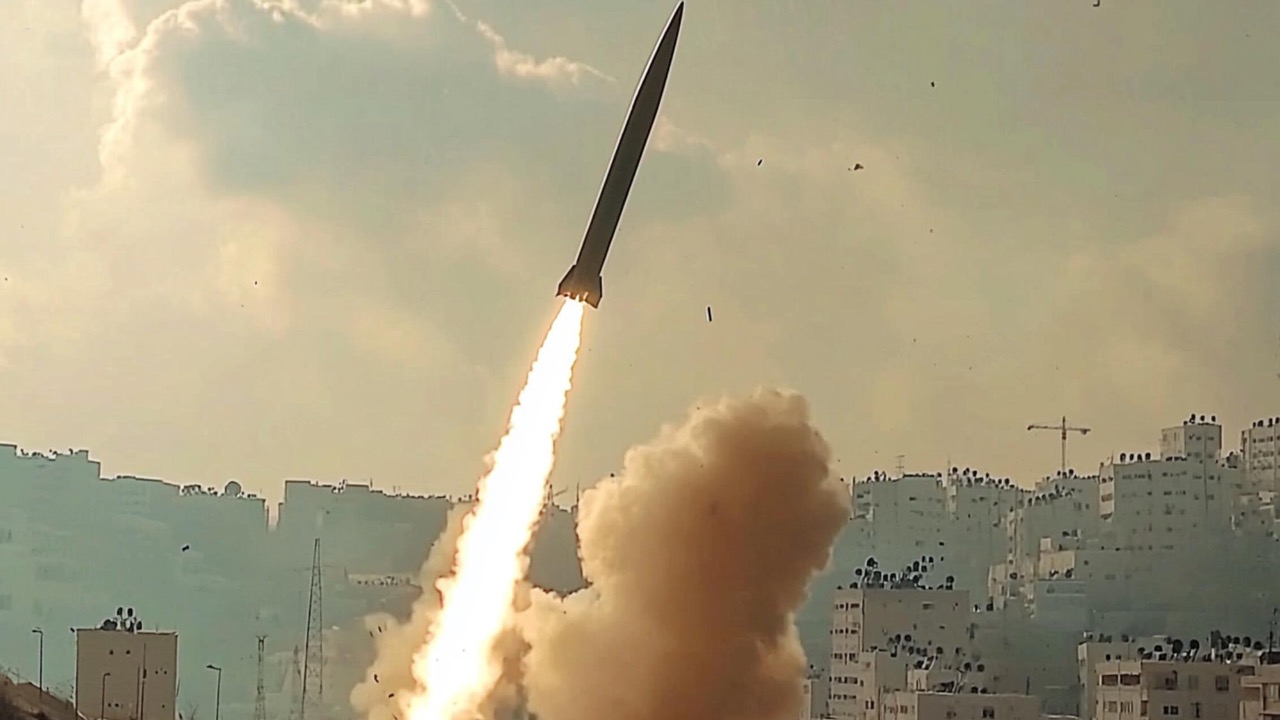
Tensions between Israel and Iran have escalated sharply once again. On Sunday evening, Iran launched multiple waves of ballistic missiles toward Israeli territory, marking the first such direct assault since the fragile April ceasefire. Israeli defenses intercepted the majority of the incoming projectiles, but the move has reignited fears of a broader conflict. A senior Israeli official described the barrage as effectively a declaration of war, underscoring the precarious state of regional stability.
The Context Behind the Latest Exchange
Israeli strikes on Hezbollah targets in Beirut earlier prompted the Iranian response. Officials in Tehran framed their missile launches as retaliation for those actions, which they viewed as violations of the ceasefire. The attacks targeted areas in northern and central Israel, triggering widespread sirens and sending residents to shelters.
This development comes amid ongoing friction involving Iran-backed groups and Israeli security operations. The barrage highlights how quickly localized incidents can spiral, testing the limits of diplomatic pauses that followed earlier rounds of intense fighting. Observers note that both sides appear prepared for further exchanges, with Israel signaling a strong counter-response if needed.
How Israel’s Defenses Held Up
Israel’s multi-layered air defense systems, including the Arrow and Iron Dome, played a key role in neutralizing most of the threats. Reports indicate several waves of missiles were detected and largely handled before causing significant damage on the ground. Minor impacts or debris-related incidents occurred in some locations, but casualties remained limited so far.
Military analysts point out that repeated tests of these systems reveal both their strengths and the resource strain they face during sustained barrages. The success in interception bought time for decision-makers, yet the volume of fire from Iran serves as a reminder of the persistent capabilities in Tehran’s arsenal despite previous setbacks.
Iran’s Strategic Calculations
From Iran’s perspective, the missile strikes represent a show of support for its allies and a warning against further Israeli moves in Lebanon. Iranian military statements emphasized that additional actions could follow if Israel does not adjust its approach. This fits a pattern of using long-range capabilities to project power and deter aggression.
At the same time, such launches carry risks for Iran. They invite potential retaliation that could target sensitive sites within its borders, compounding challenges from economic pressures and internal dynamics. The decision reflects a balance between demonstrating resolve and avoiding an all-out confrontation that might prove costly.
Implications for Regional Stability
The exchange raises concerns about the durability of recent truces and the potential for wider involvement from other actors. U.S. officials, including President Trump, have urged restraint to prevent derailment of broader diplomatic efforts. Yet the cycle of strikes and counter-strikes complicates those aims, keeping the region on edge.
For people living in affected areas, the immediate focus stays on safety and daily disruptions. Schools closed, public activities paused, and families prepared for uncertain hours ahead. Longer term, this incident could influence negotiations involving Lebanon, Gaza, and efforts to manage Iran’s influence across the Middle East.
What Comes Next in This Cycle
Israeli leaders have vowed a measured but firm reply, weighing options that could range from targeted operations to more extensive measures. The senior official’s characterization of the attack as tantamount to a declaration of war sets a serious tone for any response. International mediators are likely monitoring closely, hoping to contain the situation before it expands further.
Ultimately, the path forward depends on choices made in coming days by all parties involved. History shows these flare-ups can either burn out quickly or ignite deeper crises, depending on how leaders navigate the pressures of security, politics, and public expectations.

Asher was raised in the woods and on the water, and it shows. He’s logged more hours behind a rifle and under a heavy pack than most men twice his age.