F-16 pilots flew non-stealth jets deep into Iran to protect bombers before returning critically low on fuel
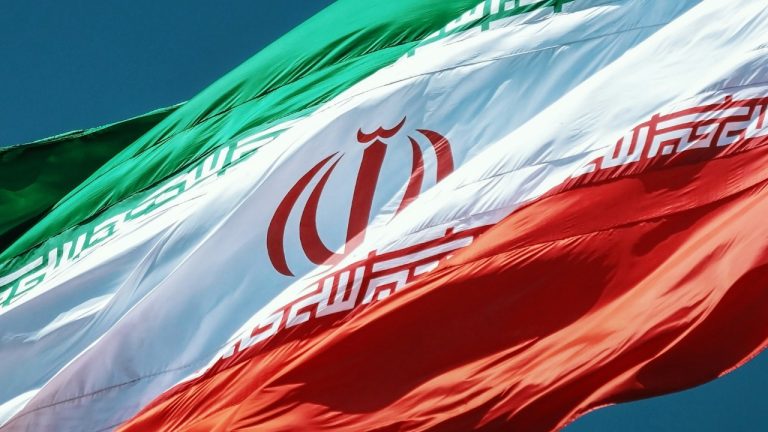
In June 2025, American forces carried out a complex strike known as Operation Midnight Hammer against Iranian nuclear sites. The mission brought together stealth bombers and conventional fighters in coordinated waves over hostile territory. F-16 pilots played a key supporting role, penetrating deep into defended airspace to handle threats that the B-2s could not address alone. Their actions helped create safe corridors for the heavier aircraft.
The operation highlighted the persistent need for non-stealth platforms even when advanced stealth bombers lead the way. Pilots navigated long distances while managing enemy radar and surface-to-air systems. Their efforts contributed to the overall success without drawing widespread attention at the time.
Risks of Non-Stealth Flight
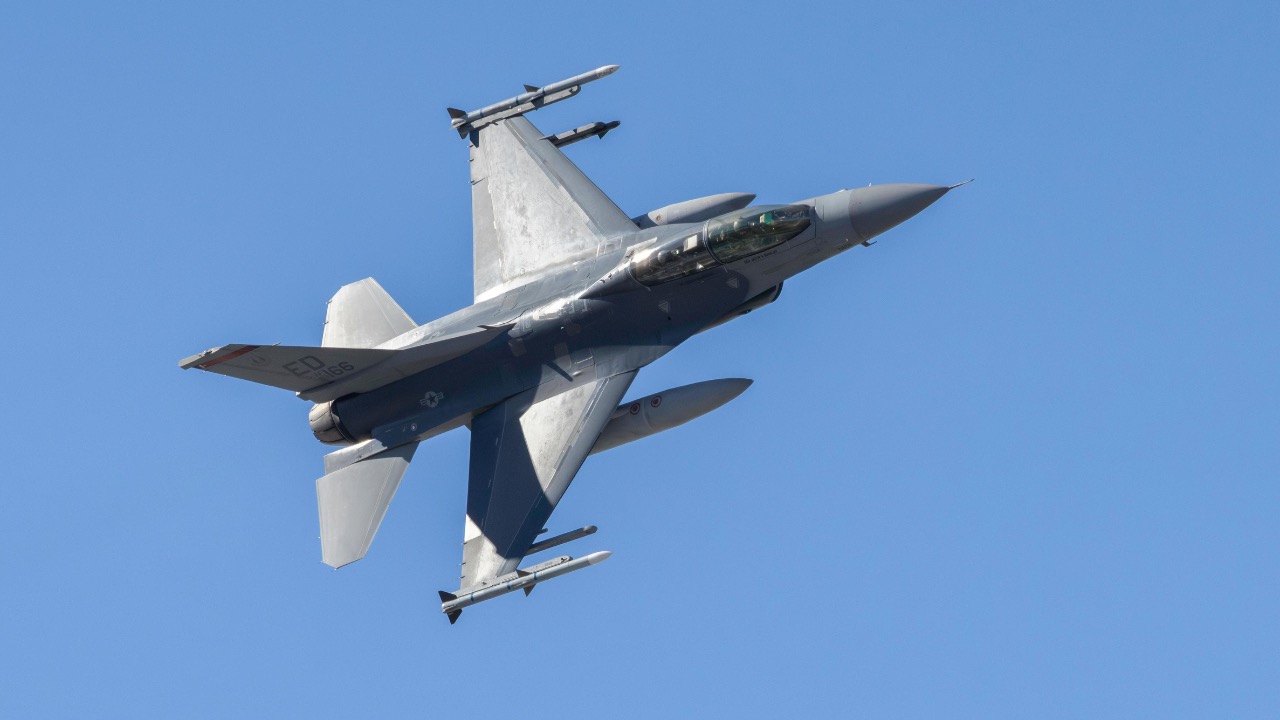
F-16s lack the radar-evading profiles of their stealth counterparts, making every mile inside Iranian territory more dangerous. Pilots flew nearly 300 miles in to engage air defenses directly and clear paths for the incoming bombers. They relied on speed, electronic warfare tools, and precise timing rather than invisibility.
This approach exposed crews to greater detection chances from Iranian radars and missiles. Yet the fighters had to press forward to suppress threats in real time. The balance between reach and vulnerability defined much of the mission planning and execution.
Protecting the Bombers
The primary task fell to six F-16 pilots who escorted the B-2 Spirit bombers toward their targets. They knocked out hostile defenses that could have interfered with the strikes on nuclear facilities. Without this protection, the bombers faced higher risks during their slow, deliberate runs.
Coordination between the fast-moving fighters and the stealth platforms required tight communication and split-second decisions. The F-16s handled immediate threats so the bombers could focus on delivering their payloads accurately. This teamwork proved essential to hitting the intended sites effectively.
Fuel Management Challenges
As the mission stretched deep into enemy airspace, fuel became a critical concern for the F-16s. The aircraft returned critically low after extended operations far from friendly bases or tankers. Pilots had to calculate every turn and engagement to avoid running out mid-flight.
Even under pressure, one senior officer continued escort duties until the full package reached safety. Only then did he manage a difficult rendezvous with a tanker while reserves sat near empty. Such decisions reflected careful training and composure under strain.
Recognition for the Pilots
Air Force officials later awarded the Distinguished Flying Cross to the six pilots involved. Citations described their actions in clearing defended airspace and managing severe fuel shortages during the withdrawal. The honors recognized both skill and resolve in a high-stakes environment.
These awards came quietly months after the operation, drawing limited public notice. They underscored the demanding nature of mixed-generation missions where older platforms still fill vital gaps alongside newer technology. The pilots’ work helped shape the outcome of a significant strike.

Asher was raised in the woods and on the water, and it shows. He’s logged more hours behind a rifle and under a heavy pack than most men twice his age.