Cartridges That Disappear From Shelves for the Wrong Reasons
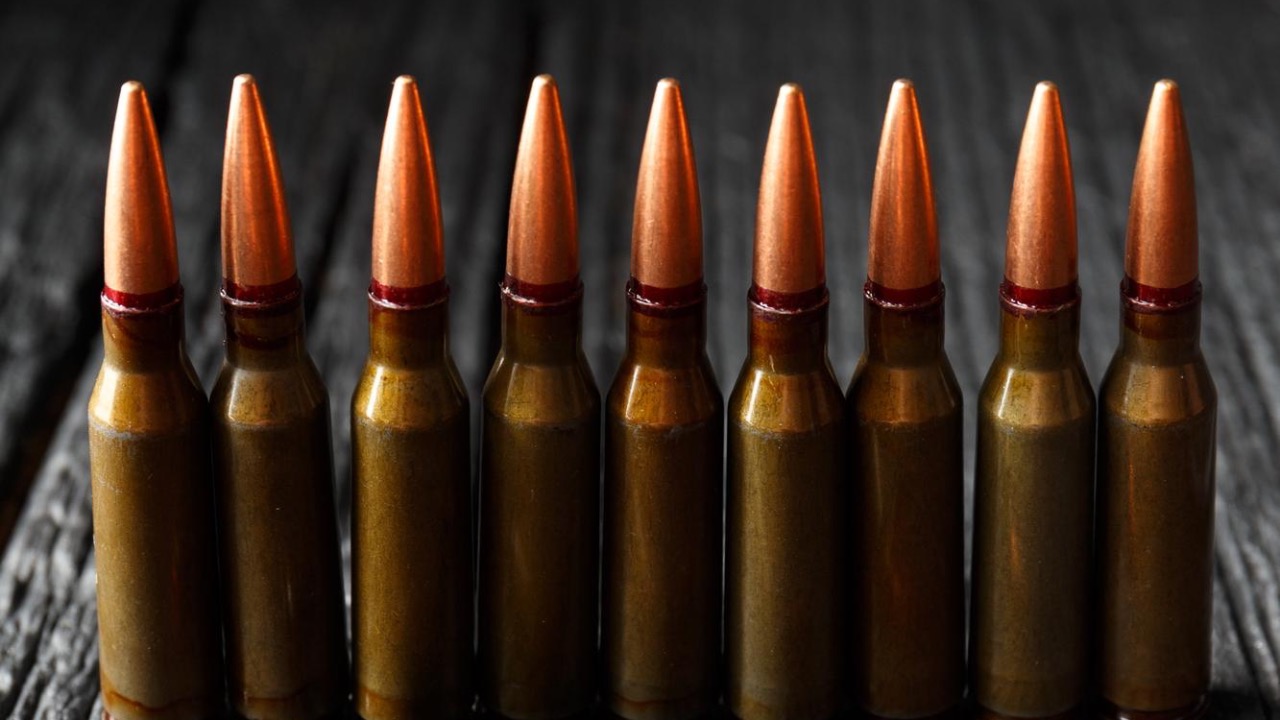
Walk into a sporting goods store during certain periods, and it doesn’t take long to notice that some ammunition calibers are harder to find than others. While hunting seasons and increased demand can empty shelves, there are times when cartridges become difficult to find for reasons that have little to do with normal buying patterns.
Supply chain disruptions, sudden panic buying, production priorities, and market speculation have all played a role in creating shortages over the years. Some calibers seem to disappear almost overnight, leaving shooters scrambling to find ammunition they once took for granted.
Why panic buying affects certain cartridges
One of the biggest reasons ammunition disappears is panic buying. When shooters fear future shortages or potential regulations, demand can spike far beyond normal levels.
Popular calibers are often hit first because they are already widely used. As shelves empty, more people rush to buy whatever remains, creating a cycle that can extend shortages for months.
Production priorities can shift quickly
Manufacturers have limited production capacity and often focus on the highest-demand cartridges during periods of heavy buying. This can leave less common calibers waiting longer for new inventory.
Even if a cartridge still has a loyal following, it may become difficult to find when factories prioritize larger-volume products.
Supply chain problems create ripple effects
Ammunition production relies on components such as brass, primers, powder, and projectiles. Delays affecting any one of these can impact availability.
When shortages occur at the manufacturing level, retailers often feel the effects weeks or months later as inventory becomes harder to replace.
Older cartridges sometimes get overlooked
Some long-established cartridges remain popular with dedicated shooters but represent a smaller share of the overall market. During supply disruptions, these calibers can become difficult to locate.
Manufacturers may continue producing them, but often in smaller batches and less frequently than mainstream options.
Rumors and speculation fuel demand
News stories, online discussions, and rumors about future shortages can influence buying behavior almost immediately. Even unconfirmed concerns sometimes lead people to purchase more ammunition than they normally would.
As demand increases, availability drops, creating the appearance of a shortage even before supply is actually affected.
What shooters can do during shortages
Many experienced shooters try to maintain a reasonable supply of ammunition before shortages begin rather than buying heavily during periods of panic. Planning ahead often reduces the impact of temporary disruptions.
While shortages eventually ease in most cases, availability can take time to recover once supply and demand fall out of balance.

Leo’s been tracking game and tuning gear since he could stand upright. He’s sharp, driven, and knows how to keep things running when conditions turn.