12 Rare Firearms Collectors Are Always Searching For
If you spend enough time around serious gun collectors, you start to notice patterns. Certain firearms come up in quiet conversations, at the back tables of shows, and in late-night auction tracking sessions. These aren’t always the most famous guns in history. They’re the scarce variants, the limited runs, the models tied to specific contracts or moments in time.
When you’re hunting rare pieces, condition matters, originality matters, and provenance can change everything. The firearms below aren’t common safe fillers. They’re the kind of pieces that make seasoned collectors lean in a little closer when the case opens.
Colt 1911A1 U.S. Navy Contract
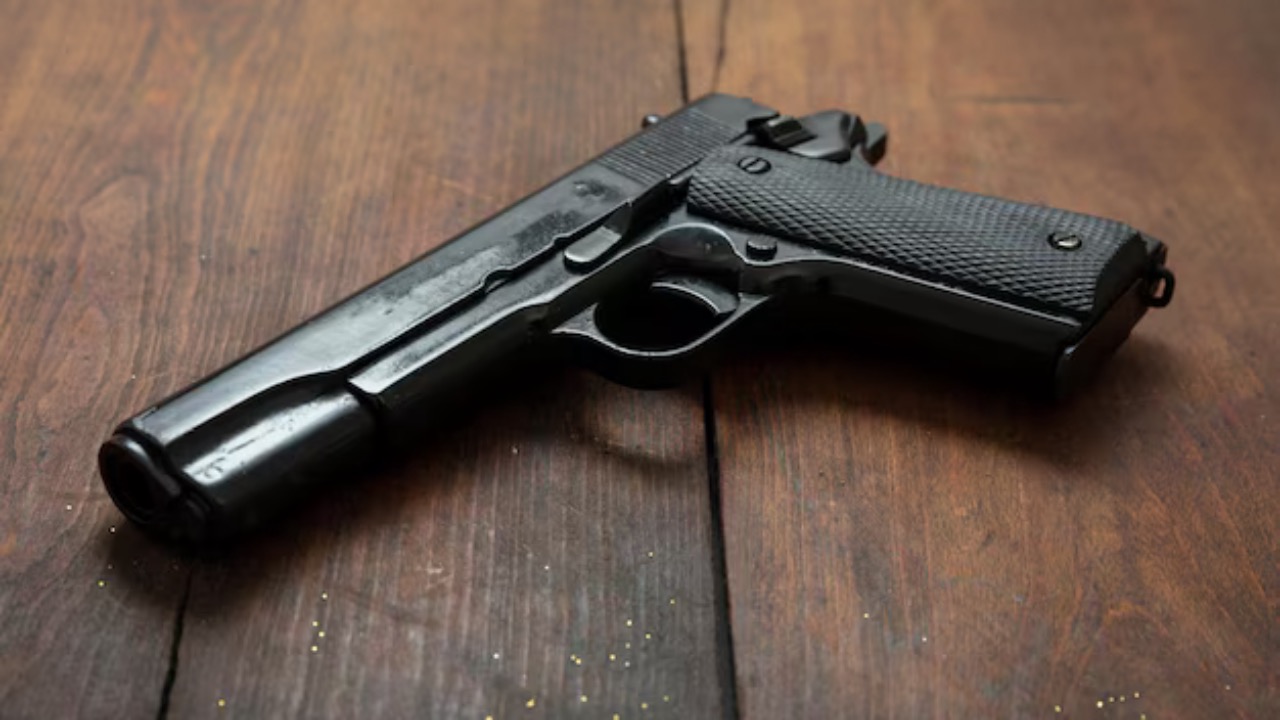
You already know the standard 1911 story. What collectors chase are specific contract guns, especially U.S. Navy–marked examples produced in relatively small numbers during World War II. These pistols carry roll marks and inspection stamps that separate them from the larger Army production runs.
Original finish, correct grips, and matching slide and frame markings are critical. Many were rebuilt or refinished after service, which makes untouched examples scarce. When you find one that hasn’t been altered, you’re looking at a sidearm tied directly to wartime naval service. That connection, paired with limited production, keeps serious collectors scanning auction catalogs year after year.
Winchester Model 1895 Russian Contract
The Winchester Model 1895 is already an interesting rifle, but the Russian contract versions stand apart. Produced during World War I and chambered in 7.62x54R, these rifles were built specifically for Imperial Russia and shipped overseas in large quantities.
Many saw hard service, and far fewer returned to the United States in original configuration. Matching numbers, intact stocks, and proper military markings drive collector interest. You’re not buying one for modern field use. You’re buying it because it represents an unusual chapter in American manufacturing and foreign military contracts, and because clean examples don’t surface often.
Smith & Wesson Registered Magnum
The Smith & Wesson Registered Magnum was introduced in 1935 and offered buyers a chance to custom-order barrel length, sights, grips, and finish. Each revolver came with a registration certificate matching its serial number, which is where the name comes from.
Production before World War II was limited, and complete examples with original paperwork are hard to find. Collectors value originality above all else. If the certificate is missing or the gun has been refinished, interest drops fast. When you find a documented example with its factory letter, you’re holding one of the earliest .357 Magnums ever made.
Browning Superposed Diana Grade
The Browning Superposed in Diana Grade trim isn’t rare because of mechanical design. It’s rare because of craftsmanship and limited high-grade production. Hand engraving, upgraded walnut, and meticulous finishing set these apart from standard field guns.
Many were used as intended, which means pristine examples are harder to locate today. You’ll want sharp engraving lines, uncut stocks, and original finish. Collectors who focus on fine sporting arms keep a close eye on these because they represent mid-20th-century European gunmaking at a high level, backed by the Browning name.
Colt Single Action Army First Generation
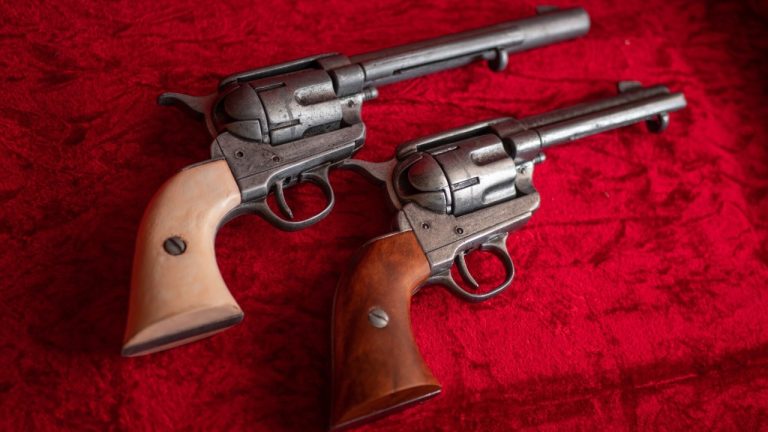
Early production Colt Single Action Army revolvers from the late 19th century remain a cornerstone of serious collections. First Generation guns, produced from 1873 to 1941, carry historical weight that later reissues can’t replicate.
Caliber, barrel length, and factory configuration all affect value. So does documentation. A factory letter tying the revolver to a specific shipment or destination can elevate interest quickly. Many were altered, refinished, or re-barreled over the decades. Finding one with honest wear and original parts takes patience, which is why collectors rarely stop looking.
Heckler & Koch P7M8 Chantilly Import
The Heckler & Koch P7M8 has a following on its own, but early Chantilly, Virginia imports carry added interest. These were among the first brought into the U.S., marked before later import changes and production shifts.
Low production numbers and the pistol’s unique squeeze-cocking system already make it stand out. Add early import markings and original box, and you’ve got something collectors compete over. Many were carried and show holster wear, which makes high-condition examples harder to track down. For someone building a serious HK collection, this variant is always on the radar.
Marlin Model 1893 Deluxe
The Marlin Model 1893 was produced in several configurations, but deluxe models with checkered stocks and special-order features are scarce. These rifles represent the higher end of Marlin’s late 19th-century production.
Because they were working guns, many saw heavy use. Finding one with crisp checkering and strong bore condition isn’t easy. Collectors who focus on American lever actions pay close attention to originality, especially when it comes to sights and buttplates. When a clean deluxe example surfaces, it rarely sits unsold for long.
Remington Model 8 Police Variant
The Remington Model 8 is well known among early semi-auto fans, but law enforcement–configured rifles with extended magazines are much harder to locate. Some were ordered by police departments in the early 20th century.
Factory letters and documented department markings make all the difference. Many standard Model 8 rifles exist, but confirmed police examples with correct parts are scarce. You’re looking for originality and documentation, not modifications. For collectors interested in early American semi-automatic development, this variant checks a lot of boxes.
Walther P38 AC 45
Late-war Walther P38 pistols coded “ac 45” were produced in 1945 under difficult wartime conditions. Fit and finish can vary, but that’s part of their historical significance.
Numbers were limited compared to earlier production, and many were lost or captured. Matching serial numbers on slide, frame, and barrel are critical. Collectors value these as end-of-war artifacts that reflect the final phase of German production. Finding one with original finish and correct wartime magazine keeps interest strong.
Savage Model 1907 Military Trials
The Savage Model 1907 had a commercial run, but military trial examples are far less common. Savage submitted versions during early 20th-century U.S. military handgun trials.
Documented trial guns with proper markings bring serious attention. Many standard 1907 pistols survive, but confirmed trial pieces are another story. When you’re building a collection centered on U.S. military small arms development, this is one of those pieces that fills a specific historical gap.
Ithaca Model 37 DSPS
The Ithaca Model 37 Defense & Police Special variants with factory short barrels and law enforcement markings are sought after. While the base model is common, correct DSPS configurations aren’t.
Condition and originality drive everything. Cut barrels or swapped stocks hurt value quickly. Verified police-marked examples with factory letters hold the most interest. Collectors who specialize in American law enforcement firearms keep these on their short lists.
FN FAL G Series
The FN FAL G Series rifles imported into the United States before the 1968 Gun Control Act are among the most desirable FAL variants. Only a limited number were brought in before import restrictions changed everything.
These rifles were later recognized by ATF as transferable machine guns if properly registered, which adds another layer of complexity and desirability. Original configuration is critical. Modified examples don’t carry the same weight. For collectors focused on Cold War–era battle rifles, the G Series remains one of the most closely watched pieces on the market.

Asher was raised in the woods and on the water, and it shows. He’s logged more hours behind a rifle and under a heavy pack than most men twice his age.