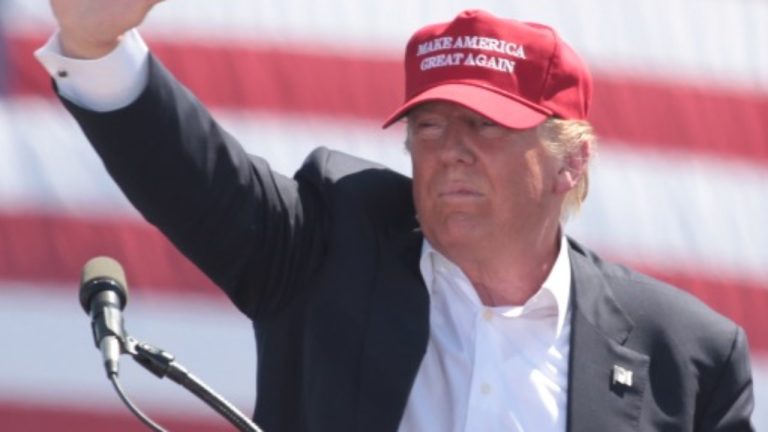
Lindsey Graham compares Trump to God in victory speech: ‘Mr President, you’re not far behind’
Senator Lindsey Graham secured a strong win in South Carolina’s Republican Senate primary on Tuesday, advancing toward what appears to be another term in Washington. In his remarks to supporters, the longtime lawmaker mixed expressions of faith with effusive thanks to President Donald Trump. The moment quickly circulated online, highlighting the close ties between Graham and the former president amid ongoing political debates.
The Context of Graham’s Primary Win
South Carolina voters gave Graham a decisive edge in the primary, reflecting his enduring presence in state politics since first winning a Senate seat in 2003. The victory sets him up for the general election in November, where he will likely face a Democratic challenger in a state that has leaned heavily Republican in recent cycles.
Graham’s speech emphasized gratitude for the support that carried him through the contest. He positioned the win as a continuation of his long service, while underscoring alliances that have shaped his recent campaigns. Political observers noted the event as another chapter in the senator’s alignment with Trump-era Republican priorities.
Graham’s Opening Thanks to the Divine
The senator began his address by directing appreciation upward, referring to God as “the big guy” in a folksy turn of phrase. This invocation framed the evening around spiritual guidance, a common element in Southern political gatherings where faith often intersects with public life.
Such language resonates in regions where religious conviction plays a visible role in community and governance. Graham’s choice to lead with this acknowledgment aligned with his public image as someone who weaves personal beliefs into political moments, even as it drew varied reactions from those following the speech.
The Striking Comparison to Trump
Moments later, Graham turned to President Trump, stating, “Mr. President, you’re not far behind God.” He clarified the order of thanks but delivered the line with notable warmth, crediting Trump’s endorsement as central to his success.
This phrasing stood out for its intensity, prompting immediate discussion across social media and news outlets. While intended as high praise within the room, it sparked debate about boundaries between political loyalty and spiritual reverence, especially among those who view faith as distinct from partisan affairs.
Reactions and Broader Implications
Critics quickly pointed to the comment as evidence of excessive deference in Republican circles, with some calling it hyperbolic or misplaced. Supporters, meanwhile, saw it as authentic enthusiasm from a veteran senator who has worked closely with Trump on policy matters ranging from foreign affairs to judicial appointments.
The episode fits into larger conversations about personality-driven politics and the role of individual figures in shaping party direction. Graham’s history includes past criticisms of Trump, making his current alliance a point of interest for those tracking shifts in Washington relationships.
Faith, Politics, and Public Life
Graham’s remarks highlighted how religious language continues to feature prominently in American campaigns, particularly in the South. Many Christians appreciate leaders who openly reference their beliefs, seeing it as a reflection of deeply held values that inform decision-making.
At the same time, moments like this invite reflection on maintaining clear distinctions between reverence for the divine and admiration for political leaders. Traditions within Christianity emphasize humility and caution against elevating any person too highly, a perspective that remains relevant as voters weigh character alongside policy in the coming months.
This primary outcome reinforces Graham’s position as a key player in Senate dynamics heading into the fall. His speech captured both the personal and partisan elements that define much of today’s political landscape, leaving room for ongoing analysis as the general election approaches.

Asher was raised in the woods and on the water, and it shows. He’s logged more hours behind a rifle and under a heavy pack than most men twice his age.