

Cartridges you only load when you’re out of everything else
Every shooter has that box on the back shelf—the one full of rounds you bought during a shortage, inherited from someone cleaning out a garage, or picked up because they were cheap enough that it felt wrong not to. They’re the cartridges you never reach for unless the good stuff is gone and you’re trying to keep the range day alive. Some work fine, some barely cooperate, and some make you wonder why they were ever made. Still, they all have a place, even if that place is usually “dead last.” Here are twelve cartridges that tend to sit in the shadows until you’ve got nothing else left.
.25 ACP

The .25 ACP is one of those cartridges that refuses to disappear, even though modern pocket pistols have outgrown it. It produces mild recoil, but the tradeoff is marginal performance and a reputation for being more nostalgic than practical. When you finally load it, it’s usually because you found an old vest-pocket pistol that hasn’t barked in years.
Accuracy is workable at close range, but the round doesn’t offer much confidence beyond a few yards. Most shooters stash .25 ACP in a forgotten bag or coffee can, only bringing it out when everything else has been burned through. It still functions, but no one’s rushing to stockpile it.
.32 S&W Long
The .32 S&W Long has history, but that doesn’t always translate to utility. Many shooters end up with a handful of these rounds from an estate sale or from buying an oddball revolver on a whim. Performance is mild to the point of sleepy, and while it’s accurate enough, it feels like plinking in slow motion.
You load it when you’re low on .38 Special or .22 LR and want something to break the silence. It’s not harmful, but it’s not giving you much excitement either. It fills time, and sometimes that’s all you need from the bottom of the ammo drawer.
.41 Action Express
The .41 AE had potential decades ago, but today it’s mostly a curiosity. You’ll find a stray box in a gun shop dusty enough to make you sneeze, or maybe a leftover stash from someone who owned a Jericho or a converted Hi-Power. Loading it now feels like stepping into a time capsule.
It hits harder than 9mm, but the recoil and scarcity of compatible pistols make it more of a historical footnote. When you shoot it, it’s usually because you found the last box and figured it was better to use it than let it keep aging.
.30 Carbine

The .30 Carbine still has its fans, especially among M1 Carbine owners, but the cartridge ends up in the “out of everything else” pile for many shooters. It’s noisy, sharp, and sometimes finicky depending on the weapon.
Performance is solid inside its intended range, but most shooters prefer more modern rifle rounds. You load .30 Carbine when you want to stretch the legs of a classic or burn through leftover ammo that’s been waiting since the Clinton era. It works, but it rarely gets chosen first.
.44 Special
The .44 Special is pleasant and controllable, but it tends to collect dust next to more popular .44 Magnum loads. Many .44 owners buy Magnum ammo and leave the Special behind until they want something softer or simply run out of the heavy stuff.
It shoots fine, and accuracy is respectable, but the round struggles to hold a modern place outside nostalgic revolvers. When you eventually reach for it, it’s usually because you’re trying to make your Magnum revolver more enjoyable or clean out the last odd cartridges taking up shelf space.
.38 S&W
The .38 S&W lives in the shadows of .38 Special, and for good reason. It’s slower, weaker, and limited to older revolvers that most shooters handle gently. When you finally load it, the range session becomes more about the experience than performance.
You’ll find this cartridge in coffee cans, old cigar boxes, and the bottom row at swap meets. It still fires reliably but doesn’t leave you with any strong impression. It’s a cartridge you burn through when you want to feel better about clearing space in the ammo cabinet.
7.62×39 Surplus Loads
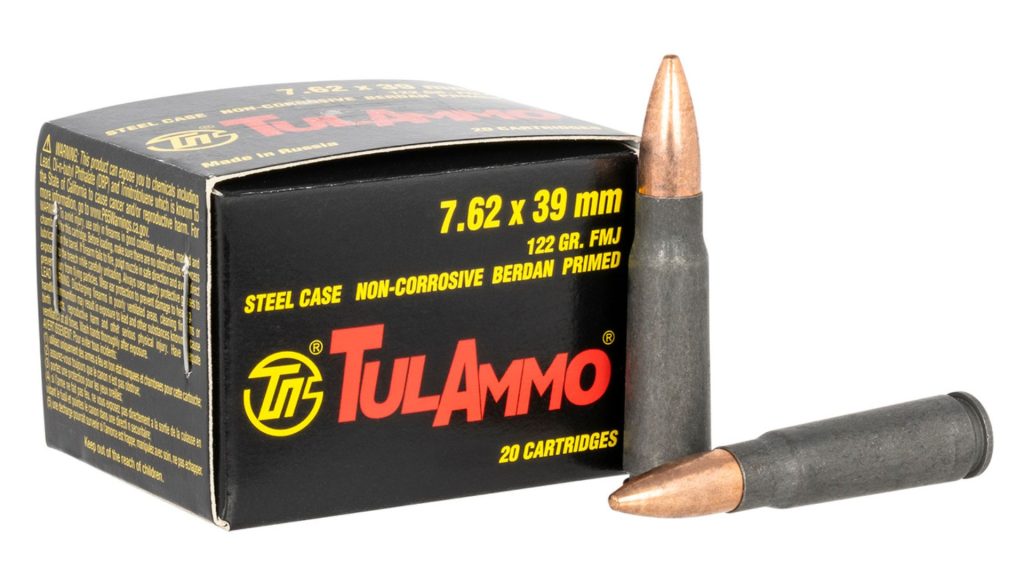
Surplus 7.62×39 always seems to linger long after the polished commercial rounds are gone. It’s reliable enough, but corrosive primers and inconsistent powder can make your rifle feel cranky. Still, it keeps an AK or SKS barking when you’re low on cleaner-burning ammo.
Accuracy varies from “acceptable” to “you’ll hit something eventually,” and cleaning afterward becomes a commitment. You load it when you don’t want the day to end but you’re saving your good brass for a better session. It’s functional, but no one mistakes it for quality.
.32 ACP
The .32 ACP has been hanging on for generations, but most shooters only load it when they’re trying to keep an old European pocket pistol alive. It’s mild and manageable, yet it doesn’t offer much beyond nostalgia and light recoil.
Accuracy is fine up close, but the round feels dated in an era of compact 9mm pistols. When you reach for it, it’s usually because you’ve run through your main calibers and want to burn a few leftovers hiding behind a box of cleaning supplies.
8mm Mauser Surplus
The 8mm Mauser once ruled battlefields, but modern shooters often treat the remaining surplus rounds like second-tier range fodder. They’re inconsistent, some are corrosive, and none of them shoot as clean as modern offerings.
Still, they keep old Mausers running, and that’s worth something. You load them when you’re out of your good brass or when you’re in the mood to feel history kick your shoulder one more time. The accuracy is hit-or-miss, but the experience carries its own charm—even if it wasn’t your first choice.
.410 Bore Birdshot

The .410 Bore isn’t useless, but it’s usually the last shotgun shell most folks grab. It’s light, it’s sparse, and it doesn’t always pattern the way you want. Still, if you’re out of 12-gauge or 20-gauge, it will keep you shooting.
You load it when you’re plinking or clearing out leftovers from a mixed box you probably shouldn’t have bought. It works for pests and casual range days, though it never feels particularly impactful. It keeps you shooting when options are thin, and sometimes that’s enough.
.22 WMR
The .22 WMR hits harder than .22 LR, but the ammo is pricier and less common. Many shooters end up with a half-used box that sits until .22 LR supplies dry up. Then, reluctantly, they dust off whatever rifle or revolver they own that can handle it.
It’s accurate enough, but report and muzzle blast feel sharp compared to its smaller cousin. When you load it, it’s usually out of necessity rather than preference. It fills the gap, but it rarely earns top billing in anyone’s regular rotation.
.45 GAP
The .45 GAP never found the footing it hoped for, and most shooters only load it when they stumble across leftover rounds from a time when they owned—or tried—one of the pistols chambered for it. Performance is fine, but ammo availability is thin.
You shoot it when you’re cleaning out the safe or when you discover a forgotten bag of reloads. It fires well enough, but the round feels like a solution to a problem nobody has anymore. Once you burn through the last box, you rarely bother replacing it.

Asher was raised in the woods and on the water, and it shows. He’s logged more hours behind a rifle and under a heavy pack than most men twice his age.


