10 Folding Knives That Refuse to Quit in the Field
Field knives get the glory, but it’s the folding knife in a pocket that usually does the quiet, ugly work: cutting rope, breaking down game, scraping tinder, or prying open a stubborn crate. The best examples keep doing that day after day without loosening pivots, chipping edges, or turning into pocket lint traps. For anyone who spends serious time outside, choosing a folder that simply does not quit is less about trend and more about survival and efficiency.
Across hunting, backpacking, and everyday carry circles, a new generation of folders has raised expectations for durability, safety, and cutting performance. From hard-use automatics to slicey backcountry workhorses, ten design shifts now define the knives that professionals and dedicated amateurs trust when everything else in the kit is negotiable.
How modern hard-use folders earned their reputation
The biggest change in field-ready folders starts with steel. Older pocket knives often relied on simple stainless that sharpened easily but lost bite after a few cuts through hide or nylon webbing. Current standouts use higher carbon stainless and powdered steels that hold an edge far longer while resisting corrosion from blood, sweat, and wet wood. Independent testing of top pocket models shows that premium steels can process multiple animals or a full season of campsite chores before they need more than a quick touch-up on a ceramic rod, a major shift from the days of constant resharpening.
Locking systems have evolved just as dramatically. Traditional back locks and slip joints still have a place, yet the knives that see real abuse now lean on beefed-up liner locks, frame locks, and crossbar-style locks that keep the blade anchored under twisting and prying loads. Evaluators who baton folders through kindling, torque them in knots of wood, and apply side pressure on the spine have found that modern locks, when properly executed, avoid the accidental closures that once made many users wary of pushing a folding knife beyond light cutting.
Automatic folders, long associated with tactical use, have also matured into reliable field tools. Current hunting-focused automatics combine stout springs with improved safety switches, so a blade can deploy quickly from a pocket or harness without popping open unintentionally. Reviews of the best current automatic knives highlight models that shrug off mud, rain, and repeated one-handed deployment while keeping tight lockup after thousands of cycles.
Ten design traits that separate quit-proof folders from the rest
Across brands and price brackets, the folding knives that experienced users keep reaching for share a similar checklist of traits. Steel sits at the top of that list. Edge-holding stainless or tool steels let a blade slice cleanly through dense material without constant maintenance, which matters when a hunter is working on a second animal at dusk or a guide is cutting rope on day five of a trip.
The lock comes next. A reliable mechanism that stays engaged even when the user’s grip is compromised by gloves, blood, or rain is non-negotiable in a hard-use folder. Crossbar-style locks that can be disengaged from either side, stout frame locks that bite into the tang, and well-tuned back locks all appear in current top-rated knives, and each has proven capable of handling both push cuts and lateral stress.
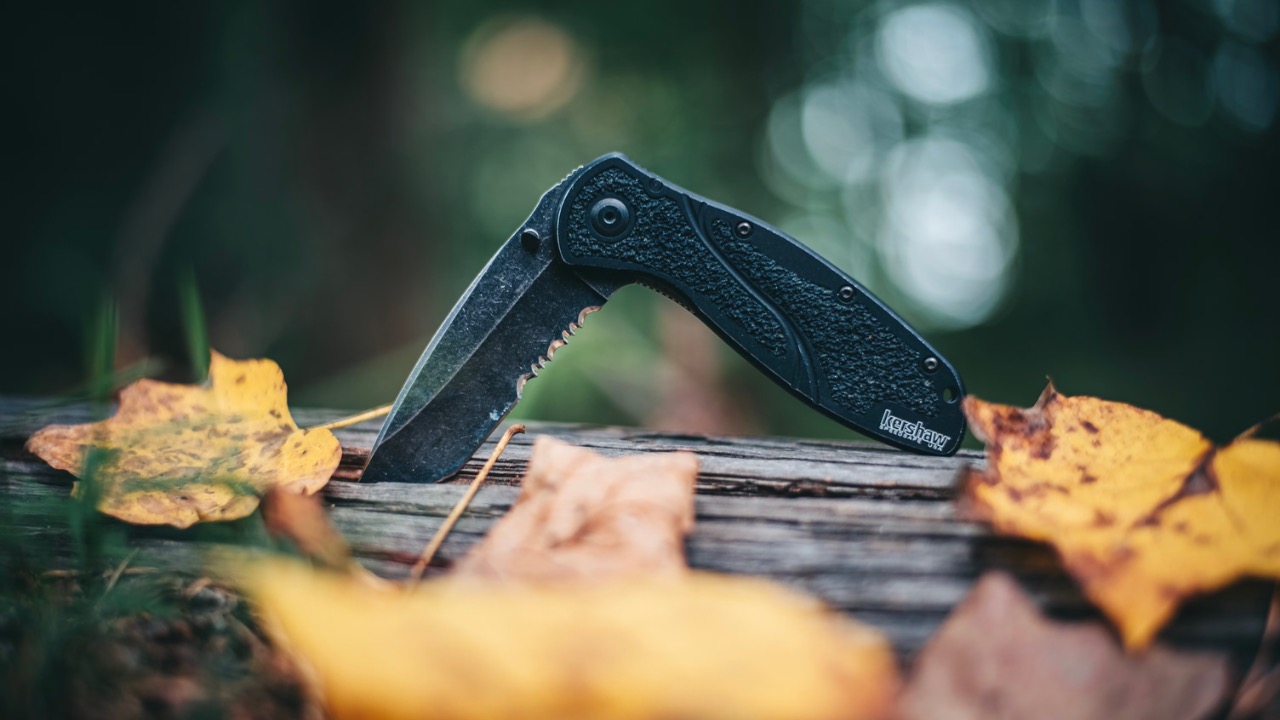
Blade geometry is another quiet workhorse. Many of the most respected field knives use full flat or high hollow grinds that balance slicing efficiency with enough spine thickness to keep the blade from feeling fragile. Drop point profiles dominate because they handle game processing, food prep, and light prying without the delicate tips that spear points or aggressive tantos sometimes bring.
Handle construction might be less glamorous, but it determines whether a knife stays in the hand when fatigue sets in. Textured G-10, micarta, and rubberized synthetics give wet or bloody fingers a secure purchase, while contoured scales prevent hot spots during long cutting sessions. Knives that rely on slick metal handles or minimal texturing rarely show up in long-term field kits because they become liabilities in bad weather.
Finally, pivot hardware and overall construction quality decide how a knife ages. Hardened pivot pins, phosphor bronze washers, and solid internal stop pins keep blades centered and free of play. After months of pocket carry, dust, and grit, the best designs still open smoothly with one hand and lock without a hint of wiggle.
Why field users are demanding more from pocket knives now
Outdoor professionals and serious hobbyists carry more gear than ever, from GPS units to compact water filters. That load has pushed many toward a single folding knife that can replace a lighter-duty multitool blade and even a small fixed blade in some scenarios. Backcountry testers who compare dozens of models have found that a well-chosen pocket knife can handle food prep, cord cutting, and emergency tasks while saving weight compared with carrying multiple blades, which drives interest in the best pocket knife designs that blend strength with packability.
Safety expectations have climbed as well. Guides, search-and-rescue volunteers, and law enforcement officers increasingly favor folders that can be opened and closed with one hand without moving fingers into the blade path. Ambidextrous locks and reversible clips also matter more as left-handed users demand parity instead of working around right-hand-only designs.
Maintenance habits are shifting too. Diamond stones, guided sharpening systems, and ceramic pocket rods are widely available, so users are more willing to buy harder steels that take longer to sharpen but hold an edge for far more cuts. That tradeoff makes sense when a knife might be the only cutting tool on a long hike or multi-day hunt.
Budget pressure has a role as well. Many buyers want one knife that can ride in a pocket at work, then transition straight to camp or the trail. This has rewarded designs that hide their capability behind clean, office-friendly lines while still packing durable hardware, reliable locks, and field-ready steel.
How these knives are changing field habits and expectations
As folding knives have grown more capable, they have changed how people plan their kits. Hunters who once carried a folding knife only as backup now use it as the primary tool for skinning and quartering, reserving a fixed blade for heavy joint work or bone contact. Backpackers who used to stash a tiny penknife in a hip belt pocket are upgrading to mid-size folders that can baton small sticks for kindling or carve emergency stakes without fear of catastrophic failure.
Instructors who teach survival and bushcraft skills increasingly incorporate modern folders into their curricula, not just traditional fixed blades. They emphasize how to exploit the strengths of a locking folder while avoiding the few remaining weak points, such as steering clear of abusive prying or hammering directly on the spine near the pivot. That training reflects a broader confidence that a well-built folder is no longer a fragile compromise but a legitimate primary tool.
These knives have also nudged expectations for warranty support and longevity. Many manufacturers now back their hard-use folders with lifetime repair or replacement policies that cover lock issues, broken clips, and even worn-out pivots. Users who invest in a premium folder often expect to carry it for a decade or more, then pass it on, which raises the bar for corrosion resistance, parts availability, and serviceability.
Where folding field knives go from here
The next wave of pocket knives that refuse to quit is likely to push materials and modularity even further. Powder metallurgy continues to improve, with steels that promise better edge retention and toughness without becoming unmanageable on a stone. Designers are also experimenting with laminated blades that sandwich tough cores inside stain-resistant cladding, aiming for the best qualities of both.
On the mechanical side, more ambidextrous locks and tool-free maintenance systems are on the horizon. Users increasingly expect to clean and adjust their knives in camp with a single compact driver or even with no tools at all. Captive pivots that cannot spin freely, standardized screw sizes, and user-replaceable lock bars are already appearing in high-end models and will likely filter down to mid-range knives.

Leo’s been tracking game and tuning gear since he could stand upright. He’s sharp, driven, and knows how to keep things running when conditions turn.