What Hollywood still gets wrong about the Wild West
The frontier that lives in our heads was built on soundstages and backlots as much as it was on prairie grass and mesquite. The result is a version of the Wild West that is cleaner, whiter, louder, and far more violent than the real thing ever was. I want to walk through some of the biggest gaps between that screen fantasy and the history, and look at why those myths still hang on.
From tumbleweeds that did not belong there to cowboys who spent more time with cattle than with six-shooters, the truth is more complicated and, in many ways, more interesting. Once you see how far the movies drifted from reality, you start to understand what they were really selling.
The Hollywood West versus the historical frontier

When people talk about the Wild West, they are usually talking about a place that exists in movies more than in archives. The classic image is a dusty main street, a saloon with batwing doors, and a lone gunman framed against a sunset. That picture owes more to the needs of Hollywood than to the way frontier towns actually looked or functioned. Filmmakers needed clear visual shorthand so audiences could instantly recognize “the West,” so they leaned into a narrow set of props, costumes, and story beats that could be reused from one production to the next.
On the ground, the nineteenth century frontier was a patchwork of cattle outfits, railroad camps, mining towns, Native nations, Mexican communities, and growing cities tied into national markets. The real West had banks, courts, churches, and newspapers, and it was shaped by federal policy as much as by personal grit. When I compare that messy reality to the streamlined movie version, I see how the screen West became a kind of national myth, a place where Americans could work out ideas about freedom, masculinity, and violence without getting bogged down in the full historical record.
Tumbleweeds, clean streets, and other landscape myths
One of the funniest disconnects between film and fact is the humble tumbleweed. In the standard establishing shot, a ball of dry brush rolls across an empty street, signaling loneliness and danger. The problem is that the plant most people picture as a tumbleweed is not native to the nineteenth century frontier at all. Historical work on the Old West points out that this iconic weed arrived later, which means those lonely balls of brush blowing through every showdown are an anachronism, not a documentary detail.
The streets themselves were not the wide, neatly raked corridors we see on screen. Real frontier towns were muddy, rutted, and full of livestock, trash, and the smells that come with both. Wooden sidewalks, when they existed, were a way to keep boots out of the muck, not a decorative touch. Yet the camera prefers a clean, open street where the audience can see every move in a gunfight and where a single rider can be framed perfectly against the horizon. The result is a landscape that looks more like a well-maintained outdoor set than the crowded, noisy, and often filthy places where people actually lived and worked.
Gunfights, violence, and the myth of constant danger
Hollywood westerns are built around the gun. The six-shooter is treated almost like a character, and the story usually turns on a showdown in the street. That makes for tight, dramatic scenes, but it badly distorts how violence worked on the frontier. Careful historical discussion of whether the West was really as chaotic as the movies suggest shows that many towns had lower homicide rates than big eastern cities, and that most disputes were settled through courts, local politics, or grudges that never made it into a public duel. In one detailed thread, historians answering “was the Wild West as lawless as it is made out to be” explain that the screen version exaggerates the frequency of gunfights and ignores the role of local law and custom, which you can see in the way contributors in Sep responses pick apart the myth.
That does not mean the frontier was safe or gentle. There were killings, lynchings, and brutal conflicts, especially where Native nations, settlers, and the U.S. Army collided. But the idea that every saloon argument ended with pistols at ten paces is more fiction than fact. Modern breakdowns of classic western tropes point out that the “persistent” image of the quick-draw duel is a storytelling device, not a common historical event, and that many famous shootouts were later embellished or outright invented. When I look at those analyses, including pieces that catalog the The Persistent errors in old films, it is clear that the real frontier was dangerous in slower, more grinding ways: disease, accidents, and poverty killed far more people than staged gunfights ever did.
Cowboys as workers, not gunslinging drifters
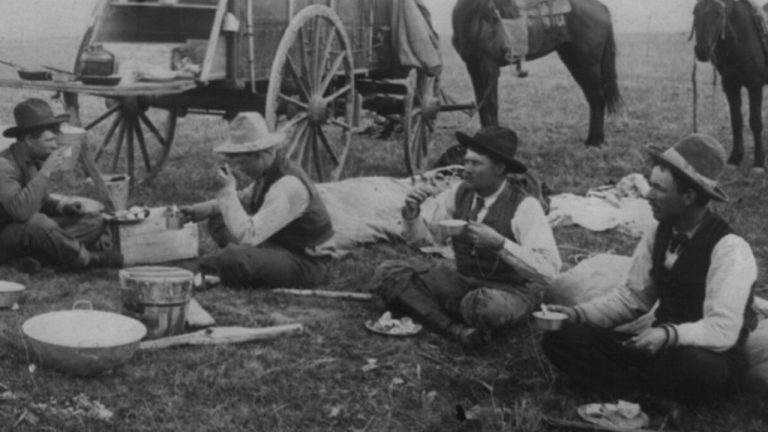
The word “cowboy” has been stretched so far by movies that it barely resembles the original job. On screen, cowboys are usually drifters who live for bar fights and showdowns, men who seem to spend more time leaning on a bar than handling livestock. Historical work and expert commentary paint a different picture. In one widely cited explanation of how accurate the movie image really is, a historian notes that Most “cowboys” were exactly that, workers who helped transport herds across open country. They rode long hours, slept rough, and worried more about weather and stampedes than about who was fastest on the draw.
Modern myth-busting pieces back that up, stressing that the idea that Cowboys Were Gun Slinging Outlaws is a distortion. Contrary to the image of the cowboy as a kind of freelance outlaw, most were hired hands working for ranchers or cattle companies, paid to move beef from one place to another. They might carry a revolver, but it was a tool, not a personality. When I think about the cowhands I have known in the modern West, the continuity is obvious: long days, repetitive work, and a deep familiarity with animals and weather, not a life built around dramatic confrontations.
Smell, stubble, and the reality of cowboy life
Another big gap between the screen West and the real one is how people looked and smelled. In most films, even the roughest cowhand has a clean shirt, a sharp jawline, and teeth that would not look out of place in a toothpaste ad. That is not how life on the trail treated a body. Long cattle drives meant weeks without a proper bath, clothes soaked in sweat and manure, and hands cracked from rope and weather. One video that digs into what movies get wrong about cowboys leans into this, describing the What Hollywood Gets angle as “The Smelly, Gritty Truth” and urging viewers to “Forget the” polished image they grew up with.
Historical notes on appearance line up with that picture. Work on the Six big myths of the Old West points out that many cowboys would have been bearded, not clean-shaven, and that laundry and grooming were luxuries on the trail. When I have spent a week in elk camp without a shower, I get a tiny taste of what that must have been like, and it makes the pressed shirts and spotless hats in most westerns look like pure fantasy. The real West was closer to a work camp than a costume party.
Law, order, and the myth of total chaos
One of the most stubborn myths is that frontier towns were places where law barely existed, and where every man had to enforce his own justice. That story is tidy and dramatic, but it does not match what historians see in the records. Detailed answers in historical forums explain that many frontier communities had sheriffs, marshals, judges, and written ordinances, and that people used them. In a long discussion of whether the West was really that lawless, contributors in AskHistorians point out that while there were violent episodes, the day-to-day reality involved a lot of paperwork, fines, and local politics.
Another thread that asks whether the Old or Wild West “really existed” or was mainly made up in movies gets at the same point from a different angle. Commenters in that Comments Section note that films embellish and overdramatize events, the way they do with most other topics, and that the real frontier was a mix of routine work and occasional drama, not a nonstop brawl. When I read those exchanges, I see people wrestling with the gap between the stories they grew up on and the quieter, more bureaucratic reality of how communities actually kept order.
Who the cowboys really were
Perhaps the most damaging distortion in the movie West is who gets to be on screen at all. The standard casting choice is a white male lead, maybe with a token sidekick of a different background. The historical record tells a different story. Careful research on the racial makeup of the cattle industry shows that, by the late 1800s, one in three cowboys was Mexican, and one in four cowboys in Texas was Black. Those numbers alone blow up the idea that the range was an almost entirely white space.
When I picture a trail crew with that mix of backgrounds, it changes how the whole scene feels. Spanish and English would have mingled around the fire, and the skills that made a good hand would have mattered more than skin color, even in a deeply racist era. Yet for decades, westerns erased those Mexican and Black cowboys, along with Native and Chinese workers, from the frame. That whitewashing was not an accident. It reflected the tastes and prejudices of the film industry and its audience, and it turned a diverse working world into a narrow myth about white ruggedness.
Why the myths stuck: entertainment, nostalgia, and identity
Once you see how far the movie West drifts from the historical frontier, the next question is why those myths have held on so tightly. Part of the answer is simple entertainment. A story about a tired crew pushing cattle through bad weather is harder to sell than a tight showdown between a sheriff and an outlaw. As one commenter in the Dec discussion of whether the West was “mainly made up in movies” puts it, films embellish and overdramatize a lot, the way they do with most other things. That is how you get a frontier full of constant danger instead of long stretches of boredom broken by short bursts of trouble.
There is also a deeper pull at work. The screen West offers a clean story about individual courage, clear villains, and simple justice. It lets viewers imagine a world where a single person with a steady hand and a good horse can shape their own fate. That fantasy has been useful for generations of Americans trying to make sense of a country that is far more complicated and constrained than the movies admit. When I look at how often modern debates about freedom, guns, and masculinity reach back to western imagery, I see how those old films still shape the way people think about themselves, even if the history behind them has been trimmed and sanded down.
What a more honest Western could look like
Knowing all this does not mean we have to throw out every western ever made. It does mean we can ask more of the stories we tell about the frontier. A more honest western would show cowboys as workers first, not as roaming gunfighters. It would put Mexican and Black cowboys, as well as Native families and Chinese laborers, at the center of the frame instead of at the margins. It would let law and community matter as much as individual bravado, and it would not be afraid to show the mud, the smell, and the grind that came with life on the edge of settlement.

Asher was raised in the woods and on the water, and it shows. He’s logged more hours behind a rifle and under a heavy pack than most men twice his age.