Why Some Guns Build Confidence Faster Than Others
Some firearms seem to make new shooters relax, focus, and hit their targets faster, while others leave them flinching and second-guessing every press of the trigger. The difference is rarely about brand prestige and almost always about how the gun’s design, fit, and training context interact with human psychology. When those factors line up, skill and confidence can grow together at remarkable speed.
How training culture reshaped ideas about “confidence guns”
For a long time, many instructors pushed beginners toward heavy, full-size firearms on the theory that weight would tame recoil and metal frames would “build discipline.” That approach often ignored how intimidating a large, unfamiliar tool can feel in untrained hands. As more civilian shooters began seeking structured instruction rather than casual range trips, trainers started documenting how certain setups consistently produced faster progress.
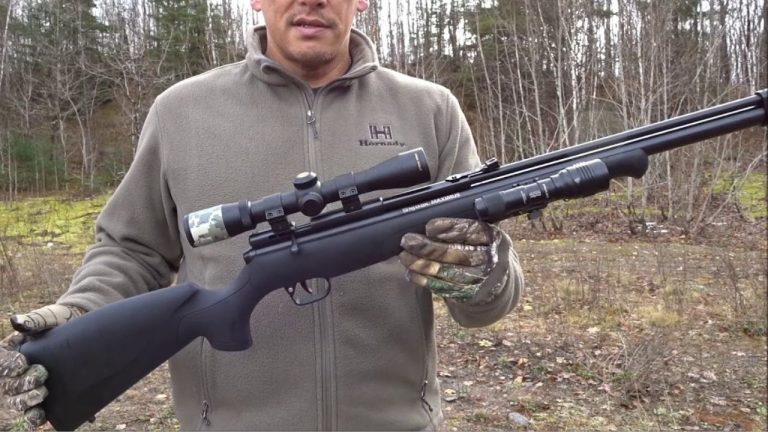
Modern rifle coaches, for example, now emphasize that confidence starts with repeatable hits at realistic distances rather than heroic shots that only land occasionally. They build drills around stable positions, clear sight pictures, and triggers that break the same way every time. When shooters see a tight group form on paper from a supported position, they gain proof that their fundamentals work. That direct feedback loop, not the caliber stamp on the barrel, becomes the engine of belief in their own ability. Guidance on how to set up a rifle so it fits the shooter, from length of pull to optic height, flows from this same insight into how confidence is actually built behind a long gun, a point reinforced by practical coaching on rifle confidence.
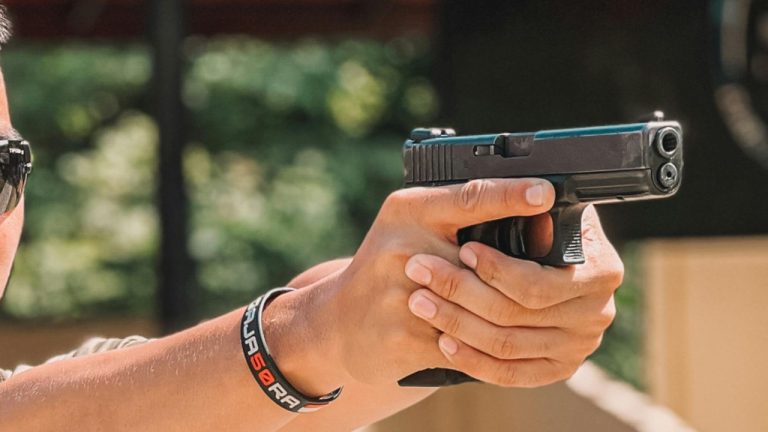
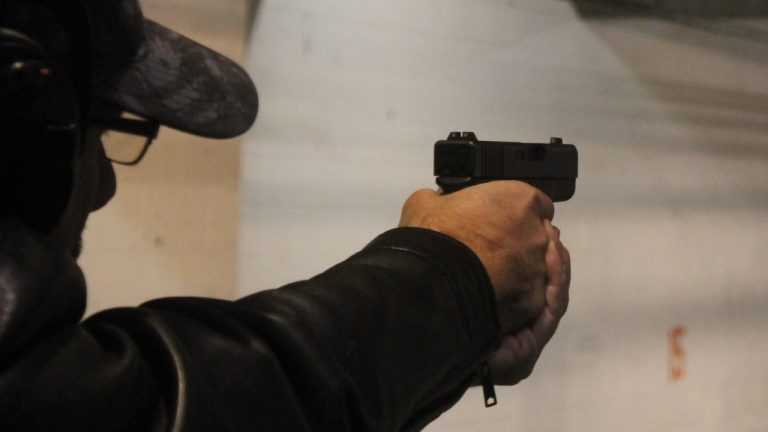
Handgun instruction has followed a similar arc. Rather than jumping straight into fast strings from the holster, many trainers now prioritize dry-fire routines, slow live fire, and consistent grip pressure. This approach mirrors the way professional officers are trained to build trust in their duty pistols. By focusing on a steady trigger press and a predictable sight return, the shooter learns that the gun will behave the same way every time. That predictability, more than raw power, is what turns an unfamiliar object into a trusted tool.
Design features that make some guns feel “easy” sooner
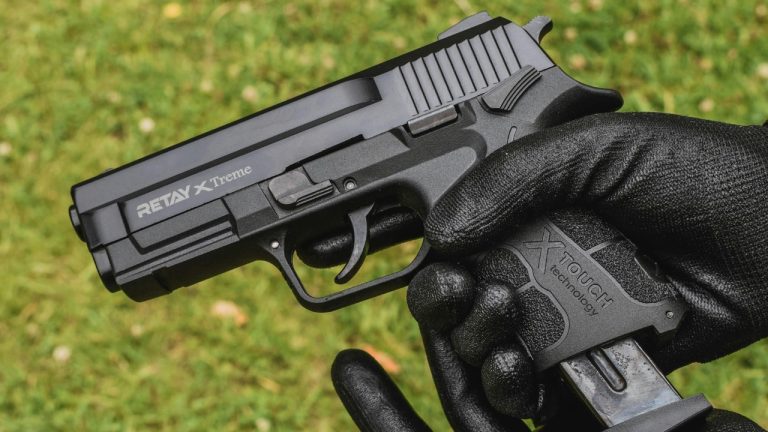
The firearms that tend to accelerate confidence share a few concrete traits. First, they fit the shooter’s hands or body without forcing awkward compromises. On rifles, that means a stock that lets the shooter mount the gun without craning the neck or stretching for the trigger, and an optic that lines up naturally with the eye when the cheek hits the comb. On handguns, grip circumference and trigger reach often matter more than magazine capacity. If the shooter cannot get the distal pad of the index finger squarely on the trigger, consistent control becomes much harder.
Controllable recoil also plays a central role. A mild cartridge in a well-balanced platform allows new shooters to focus on sight alignment and trigger control instead of bracing for impact. Rifles chambered in softer-shooting rounds, especially when paired with effective recoil pads or brakes, let people watch their hits through the scope rather than losing the sight picture. That visual confirmation reinforces learning on every shot. In handguns, mid-size models in moderate calibers often strike the best balance between shootability and real-world utility.
Intuitive controls further reduce cognitive load. Safeties, magazine releases, and slide or bolt controls that can be reached without shifting grip help shooters keep attention on the target and the front sight. When a gun demands constant mental effort just to run the controls, confidence lags because every string of fire feels like a test of memory instead of a test of marksmanship. Firearms that mirror the control layout used in structured training programs tend to feel familiar more quickly, even to new owners, simply because the motions match what they have practiced.
Why training style matters more than model numbers
Even a well-designed gun can undermine confidence if the training around it is haphazard. Instructors who work with law enforcement emphasize that officers do not become proficient by accident. They progress through a deliberate sequence that starts with safe handling and dry-fire repetitions, then moves to slow, accurate live fire, and only later to movement and stress drills. Civilian shooters who adopt a similar training path often find that their comfort with a chosen pistol or rifle grows just as quickly.
Programs modeled on professional standards stress that confidence is not bravado but a realistic assessment of what the shooter can do on demand. That is why many curricula include timed drills at known distances, with clear performance benchmarks. When a student can meet those standards consistently, the result is not just better shooting but a grounded sense of capability. Civilian carriers who train “like an officer” with structured holster work, reloads, and malfunction drills often report that their gun feels less like a mysterious object and more like any other tool they have learned to use through repetition, a pattern highlighted in guidance on training like an.
Unsystematic range trips can have the opposite effect, eroding trust even with excellent equipment. If each session consists of blasting through a box of ammunition at random distances, shooters rarely gather useful data about what works. Misses feel mysterious, and the gun becomes the easiest thing to blame. Over time, that pattern can cement the belief that a particular firearm is “hard to shoot,” when the real issue is that no one has broken down the skills into manageable pieces.
Why the confidence gap matters in 2020
Interest in firearms ownership has surged, and with it, the number of first-time buyers walking out of gun shops with little more than a brief safety talk. For these new owners, the gap between a gun that encourages rapid learning and one that punishes every mistake can be the difference between sticking with training or leaving the pistol in a drawer. When a first session produces sore hands, scattered hits, and a sense of failure, many people conclude that shooting simply is not for them.
That outcome has public safety implications. A gun owned by someone who does not feel competent to use it is still a powerful object in the home, but one that may not be deployed effectively in a crisis. By contrast, a firearm that matches the owner’s physical build and training plan can become a platform for steady improvement. Each successful range trip reinforces safe habits and skill, which reduces the odds of panic or poor decisions under stress.
The confidence gap also shapes the broader conversation about firearms. People who have had positive learning experiences are more likely to seek out further education, join clubs, or participate in structured competitions. Those communities, in turn, tend to emphasize safety, accountability, and realistic expectations about what defensive tools can and cannot do. When a significant share of new shooters instead experience only frustration, the culture tilts toward either disengagement or overcompensation through gear purchases that do not address underlying skill deficits.
How future designs and training could speed up safe confidence
Looking ahead, firearm makers and instructors are likely to invest more energy in shortening the path from first shot to genuine competence. On the design side, that could mean more modular platforms that allow owners to swap backstraps, triggers, or stocks until the gun truly fits their body. Optics-ready pistols and rifles that accept low-power variable scopes or red dots out of the box can help shooters acquire and track targets more easily, which can accelerate feedback and learning.
Training providers are already experimenting with blended models that combine online instruction, dry-fire coaching, and live range time. New shooters can learn safety rules, basic stance, and manipulation skills at home, then arrive at the range ready to apply those habits with live ammunition. This structure reduces the overwhelming feeling that often comes with trying to absorb everything in a single session while also managing noise, recoil, and social pressure.

Leo’s been tracking game and tuning gear since he could stand upright. He’s sharp, driven, and knows how to keep things running when conditions turn.