Trump told advisers no one can handle Netanyahu and called for bombing ‘everyone’ – WSJ
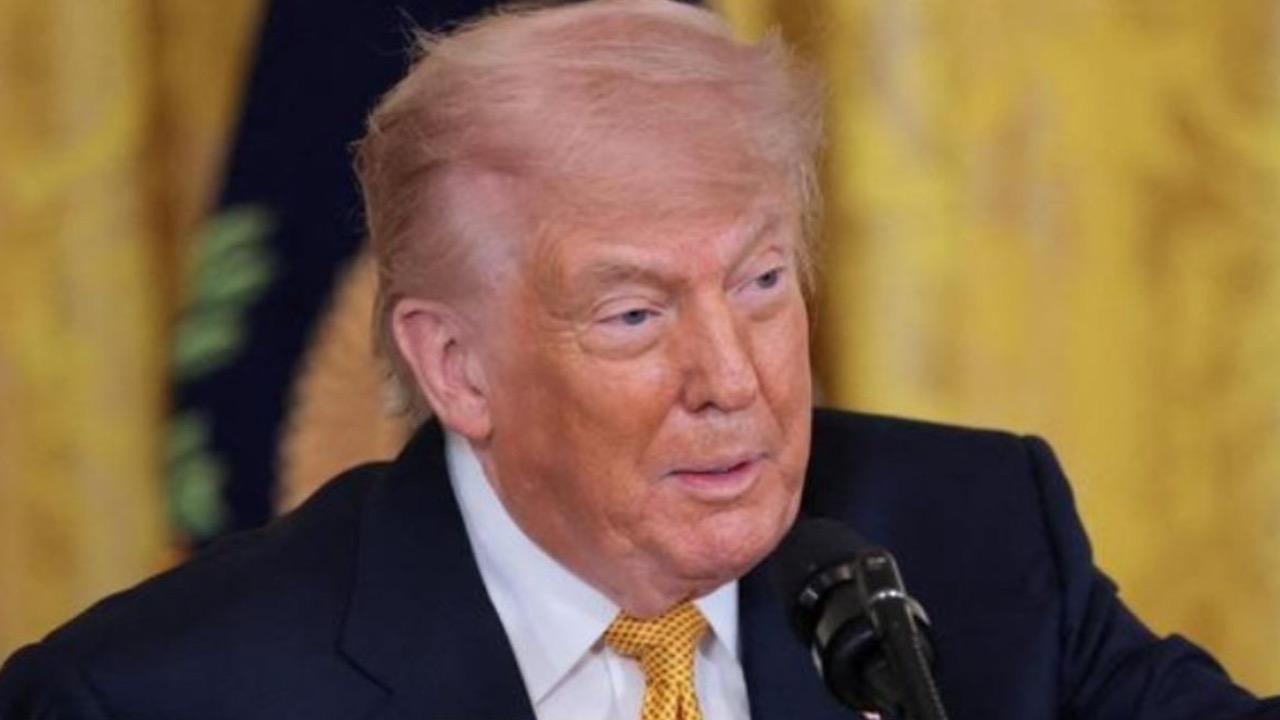
President Donald Trump has long projected a strong alliance with Israeli Prime Minister Benjamin Netanyahu, yet recent reports reveal deeper strains in their dynamic. According to people familiar with his comments, Trump told advisers that handling Netanyahu proves nearly impossible and suggested the Israeli leader pushes aggressively for broad military action. These remarks highlight the challenges of balancing close partnership with policy differences as both navigate complex regional conflicts.
The Context Behind Trump’s Comments
You see how personal and strategic pressures shape high-level diplomacy in moments like these. Trump’s observations came during discussions about ongoing efforts to stabilize the region after periods of intense conflict involving Iran and other actors. Advisers heard him describe Netanyahu as someone who sometimes gets carried away with forceful options, even as Trump himself maintains public support for Israel’s security needs.
This private assessment reflects broader fatigue with endless escalation. Trump has emphasized deals and negotiations in public statements, positioning them as paths to lasting stability rather than prolonged fighting. Yet Netanyahu’s approach often leans toward decisive military steps to address threats, creating friction when those moves risk complicating U.S.-led diplomatic initiatives.
Tensions in Recent Calls and Decisions
Phone conversations between the two leaders have turned testy at times, especially around operations in places like Lebanon or responses to Iranian activities. Trump reportedly pushed back against certain strikes, stressing the need for coordination and restraint to avoid derailing bigger-picture agreements. These exchanges show the limits of personal rapport when national interests and timelines diverge.
For anyone following the relationship, the pattern feels familiar. Public displays of unity coexist with private complaints about being blindsided or having carefully laid plans upended. Trump has voiced irritation that Netanyahu’s preferences for military pressure sometimes override negotiated paths, though he continues to back Israel’s right to defend itself.
Public Support Versus Private Doubts
Despite the frustrations, Trump continues to highlight the strength of U.S.-Israel ties. He has described the relationship as excellent in broader terms and credits past cooperation for key outcomes. Still, reports of his comments to aides underscore a growing sense that Netanyahu can be difficult to steer, particularly when momentum builds toward wider action.
Observers note that both men share a history of bold decision-making. This overlap helped forge strong alignment on threats like Iran’s nuclear ambitions. But it also fuels clashes when one side sees opportunity for force while the other prioritizes winding down conflicts through pressure and talks.
Implications for U.S. Policy in the Region
These dynamics matter because they influence how the United States approaches alliances and de-escalation. Trump’s team has worked to manage Israeli operations while pursuing deals that limit Iran’s capabilities without endless engagement. The reported remarks suggest an administration keen on results but wary of being pulled into open-ended campaigns.
You can trace similar patterns in past administrations dealing with strong-willed partners. Success often depends on clear communication and shared goals, even when styles differ. In this case, the back-and-forth reveals the real work of maintaining influence while respecting sovereignty and security concerns on both sides.
Looking Ahead in a Volatile Partnership
The relationship between Trump and Netanyahu will likely remain a mix of alignment and adjustment. Public messaging from Israeli officials often stresses their close bond, while U.S. sources point to ongoing efforts to align strategies. As regional talks progress, managing these personal and policy differences could determine whether tensions ease or flare up again.
Ultimately, the situation underscores how personal chemistry and strategic realities intersect in foreign policy. Trump’s candid assessments to advisers offer a window into the challenges of steering powerful allies toward preferred outcomes without fracturing the partnership that has defined much of the recent approach to Middle East security.

Asher was raised in the woods and on the water, and it shows. He’s logged more hours behind a rifle and under a heavy pack than most men twice his age.