Trump warns any country selling nuclear weapon to Iran would face US retaliation
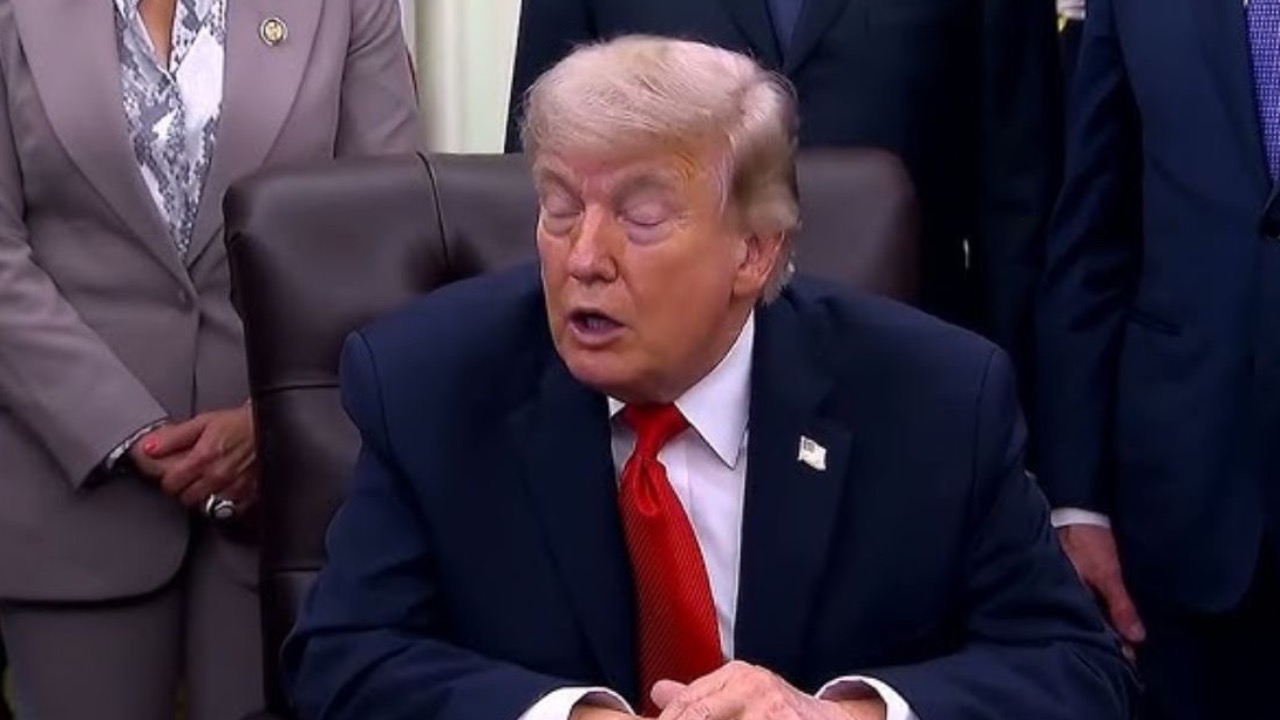
President Donald Trump has drawn a firm line in the ongoing efforts to contain Iran’s nuclear ambitions, stating that any nation providing nuclear weapons or related materials to Tehran would encounter strong American pushback. This position comes amid a fresh memorandum of understanding between the United States and Iran aimed at easing recent tensions, including the reopening of key shipping routes. Trump has framed the agreement as a step toward stability while underscoring that preventing Iran from acquiring nuclear capabilities remains a core priority.
The warning reflects broader concerns about proliferation risks in a volatile region. U.S. officials have emphasized vigilance against any attempts to circumvent restrictions, whether through direct sales or covert assistance. As negotiations continue, this stance signals Washington’s determination to enforce compliance and deter external actors from undermining the process.
Context of the Recent U.S.-Iran Agreement
The memorandum, announced in mid-June 2026, seeks to wind down hostilities that flared after disruptions in the Strait of Hormuz. Under its terms, Iran has committed to forgoing nuclear weapons development or procurement, while the U.S. has paused certain military measures and lifted its naval blockade for an initial period. Trump highlighted the deal’s focus on keeping nuclear weapons out of Iranian hands during remarks at the G7 summit.
Talks now extend into a 60-day window for deeper discussions on sanctions and regional issues. Supporters view the arrangement as a pragmatic way to stabilize energy markets and reduce immediate threats. Critics, including voices in Israel and parts of the U.S., argue it falls short on addressing Iran’s missile programs and proxy networks, leaving room for future challenges.
Trump’s Longstanding Stance on Iranian Nuclear Issues
Throughout his time in office, Trump has consistently opposed paths that could allow Iran to advance toward nuclear weapons. He previously withdrew from the 2015 Joint Comprehensive Plan of Action, calling it insufficient, and has backed pressure campaigns including sanctions and targeted actions against Iranian facilities. The current warnings build on that record, extending deterrence to potential suppliers.
This approach stems from assessments that Iran’s enrichment activities have brought it close to significant thresholds in the past. Intelligence reports have noted stockpiles of highly enriched uranium, prompting calls for strict limits and verification. Trump has described any violation as carrying severe repercussions, aiming to close off both domestic development and external acquisition routes.
Potential Implications for International Actors
The explicit caution to other countries underscores the global dimensions of the issue. Nations with advanced nuclear technology or materials could face diplomatic and economic consequences if they engage with Iran in prohibited ways. This serves as a reminder of U.S. reach in enforcing nonproliferation norms, particularly among countries that might consider commercial or strategic dealings.
Allies and partners have expressed mixed reactions. While G7 leaders welcomed steps toward calmer oil flows, some regional players worry about enforcement gaps. The warning may complicate relations for states balancing ties with both Washington and Tehran, potentially reshaping trade and security calculations in the Middle East and beyond.
Reactions and Broader Regional Dynamics
The statement has drawn attention amid ongoing debates over the deal’s durability. Israeli officials and some American conservatives have voiced skepticism, pointing to unresolved concerns like Iran’s support for militant groups. Others see it as a necessary pause after months of escalation that included strikes and blockades.
In Tehran, responses have varied, with some acknowledging the agreement’s immediate benefits while maintaining public caution. The coming weeks of negotiations will test whether the commitments hold and how firmly the U.S. responds to any signs of backsliding or external involvement. Energy prices and shipping security remain closely watched indicators of success.
Looking Ahead in Nuclear Diplomacy
As the 60-day period unfolds, the focus shifts to verification mechanisms and potential sanctions relief. Trump has indicated openness to congressional review and stressed that the U.S. retains options if terms are not met. The emphasis on blocking external nuclear supplies adds another layer to efforts aimed at long-term containment.
Observers note that sustained diplomacy, backed by credible deterrence, will be essential. The episode highlights the persistent challenges in managing Iran’s program within a web of regional rivalries and international interests. Success hinges on balancing incentives with firm boundaries to prevent escalation.

Asher was raised in the woods and on the water, and it shows. He’s logged more hours behind a rifle and under a heavy pack than most men twice his age.