The deer scent that humans emit – and why it can make the animals freeze in place
Impact-Site-Verification: 47c22711-6343-4c19-9780-034e9f45585b
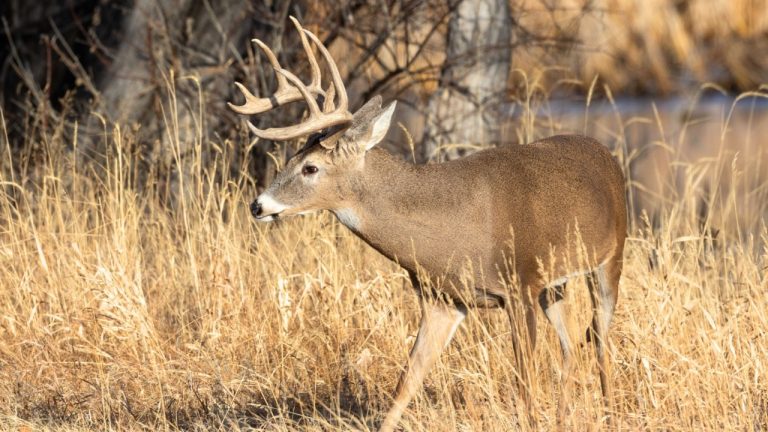
Deer often seem to vanish at the slightest human sound, yet hunters and hikers also describe animals that lock their gaze, muscles rigid, as if rooted to the ground. Research suggests that one reason lies in the chemistry of human scent. Compounds released in sweat and breath can trigger a hardwired response in deer that sometimes leads not to flight, but to a tense, statue-still pause.
That pause is not indecision. It is part of a survival program shaped by predators, forests, and open fields, and it is increasingly relevant as people try to manage growing deer populations, reduce car collisions, and protect gardens without causing harm.
How scientists reframed human scent as a deer alarm signal
For years, most discussion of human odor around deer focused on how to hide it. Hunters washed clothes in special detergents, stored gear in sealed tubs, and used cover sprays that promised to mask sweat and detergent smells. The assumption was simple: if a deer caught any trace of a person, it would bolt.
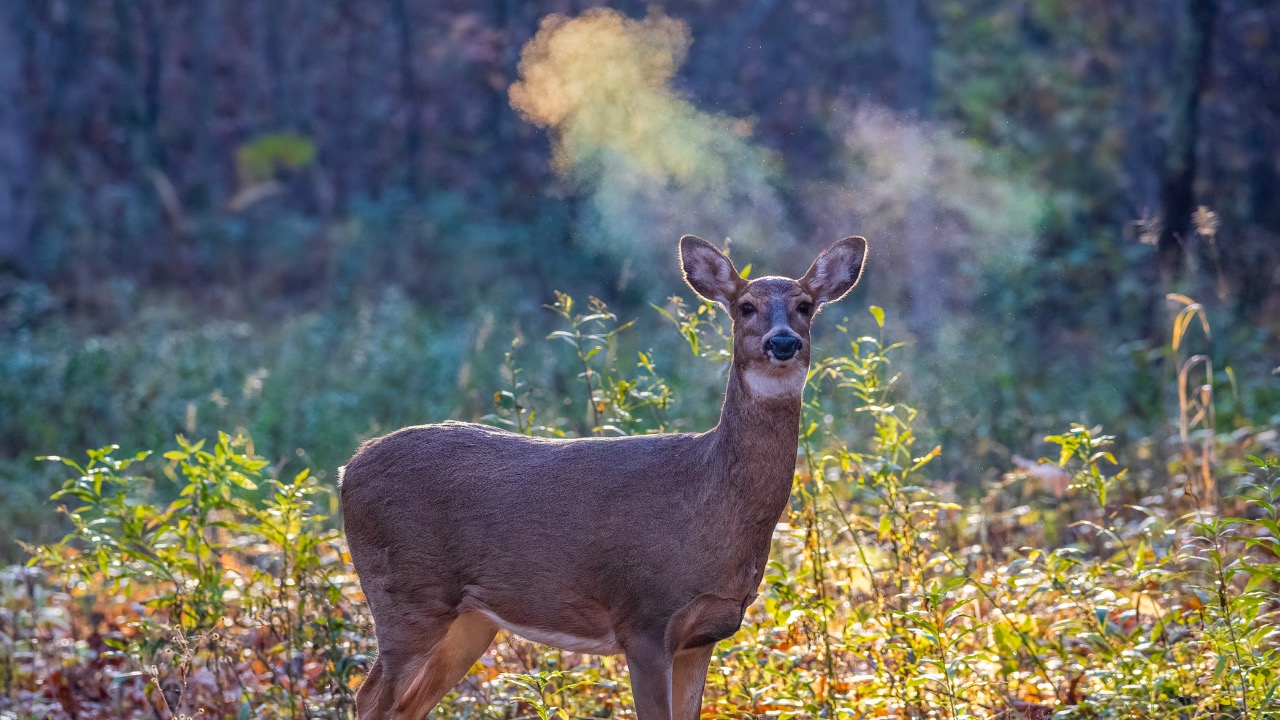
Laboratory work with deer and related species has complicated that picture. When researchers exposed animals to isolated components of human body odor, they saw consistent changes in heart rate, posture, and brain activity that matched a classic fear response. In some cases, the animals backed away. In others, they froze with ears angled toward the source, eyes wide, and muscles tight, an immobile stance that still allowed rapid escape.
Those findings fit with broader research on mammal olfaction. Many species, from rodents to antelope, react strongly to specific sulfur-containing compounds and fatty acids that appear in sweat and on skin. Human bodies emit a blend of these molecules, especially during stress or exertion, which can travel downwind and reach a deer long before a person is visible or audible.
What changed in scientific thinking was the realization that deer are not simply smelling a generic “human” category. Instead, they are likely reading a complex odor code that includes diet, stress level, and even whether a person has spent time around predators, livestock, or household pets. That code can push behavior toward flight, freezing, or cautious approach, depending on context.
Why a whiff of people can lock a deer in place
Freezing is one of the three classic defensive responses in prey animals, alongside fight and flight. For a deer, holding perfectly still can be safer than running, especially in thick cover where movement is easier to spot than a motionless outline. When a deer catches a faint trace of human scent without clear visual confirmation, staying frozen buys time to gather more information.
Neuroscience work on ungulates suggests that this response is coordinated by brain circuits that link the olfactory bulbs to regions controlling vigilance and motor output. Once certain odor thresholds are crossed, these circuits can trigger a rapid switch into a high-alert, low-movement state. Muscles tense, the animal’s breathing slows, and attention narrows to sound and wind direction.
Hunters sometimes interpret this as curiosity, especially when a deer seems to stare in their direction for long stretches. In reality, the animal may be at the edge of panic, but constrained by an instinct that says, in effect, “If I move, I might reveal my exact location.” A single stronger gust of human scent, a snapped twig, or a sudden silhouette can tip that balance and send the deer sprinting.
Context matters. Deer that live in heavily hunted areas often bolt as soon as they detect even a faint trace of people. In suburban neighborhoods, where deer encounter joggers, dog walkers, and parked cars every day, the same scent can lead to a shorter freeze or a wary glance before the animal resumes browsing. Over time, repeated non-lethal encounters can shift the freeze threshold and shorten how long the animal stays locked in place.
From lab insight to backyard fences and roadside safety
Understanding how deer read human scent is not just an academic exercise. It shapes how people try to keep deer out of gardens, reduce damage to crops, and limit dangerous encounters on roads. Many commercial repellents now rely on odor cues that mimic predators or signal danger, such as putrescent egg solids, garlic, or fermented proteins, which can push deer to avoid treated plants. Guides to the best deer repellent often highlight formulas that mix these smells with bitter-tasting compounds, so a deer’s first cautious nibble reinforces the warning sent by its nose.
These products work with the same sensory system that reacts to human odor, but they aim for a clearer “keep out” message that leads to avoidance rather than a brief freeze. Gardeners learn that consistency is key. If repellents are applied only sporadically, deer can habituate, treating the scent as background noise rather than a sign of real risk.
On roads, human scent plays a subtler role. A deer standing near a highway at night may smell exhaust, hot metal, and people inside vehicles, yet none of those cues match its ancestral experience of a stalking predator. The animal may freeze in headlights not because of human odor, but because the sudden glare overwhelms its night vision while its ears and nose still search for threats. In that moment, the same freeze circuitry that responds to scent can be triggered by light and noise.
Wildlife managers and transportation planners have responded with physical measures such as fencing, underpasses, and overpasses that guide deer away from traffic. Those structures do not rely on smell at all, but they are informed by an understanding of how deer decide when to move and when to stay still. A frozen deer at the edge of a road is one startled step away from a collision.
Why the chemistry of human odor matters more now
Deer populations have expanded in many regions, helped by mild winters, abundant suburban landscaping, and fewer large predators. As deer move deeper into cities and suburbs, they encounter human scent almost constantly. That raises questions about how their nervous systems adapt to a world where the smell of people is no longer rare or tightly linked to hunting.
In some neighborhoods, deer graze calmly a few meters from sidewalks, barely flinching at passing runners. Their freeze response to human odor seems blunted, at least for people who behave predictably and do not chase them. Yet the same animals can react dramatically to a person stepping off a trail or moving through dense brush, where scent combines with an unfamiliar pattern of sound.
This shifting baseline has practical consequences. As deer become less reactive to everyday human presence, gardens, ornamental trees, and even playgrounds become more vulnerable to browsing. Residents turn to fencing, motion-activated sprinklers, and scent-based products, but the effectiveness of each tool depends on how surprising and consistent the signal feels to the animal.
Public health concerns add another layer. More deer in closer contact with people can increase the risk of tick-borne diseases, vehicle collisions, and damage to crops and forests. Officials who design culling programs or fertility control efforts need to understand how deer perceive human presence, since the success of any intervention depends in part on whether animals freeze, flee, or ignore the people involved.
Future research and humane control shaped by scent
Next steps in this field are likely to focus on the exact molecules that carry the “human nearby” message for deer and how those signals interact with other odors in the environment. If scientists can pinpoint specific compounds that trigger strong avoidance without causing undue stress, it could lead to more targeted repellents that protect crops and gardens with fewer side effects on other wildlife.
There is also growing interest in how deer learn from each other. When a doe freezes at the edge of a field after catching human scent, her fawn often mirrors the posture. Over time, repeated shared experiences can shape a local herd’s collective response. In one region, that might mean quick flight at the first trace of people. In another, it might mean a shorter freeze followed by cautious grazing, especially if encounters rarely end in harm.

Leo’s been tracking game and tuning gear since he could stand upright. He’s sharp, driven, and knows how to keep things running when conditions turn.