Wildlife officials review deer harvest data after recent season
Across whitetail country, wildlife agencies are crunching numbers from the latest deer seasons and asking the same hard question: did hunters take the right deer in the right places. Harvest totals are up in some big states and sharply down in others, and the mix of bucks and does on those tags will shape herd health, hunter opportunity, and future regulations for years.
As I read through the new reports, what jumps out is how different the story looks from one county or state to the next. Some regions are celebrating record or near record buck harvests, while others are staring at steep drops tied to disease, habitat, or deliberate cutbacks. The review now underway inside wildlife offices is less about bragging rights and more about whether those trends line up with long term management goals.
Why harvest data matters more than bragging rights
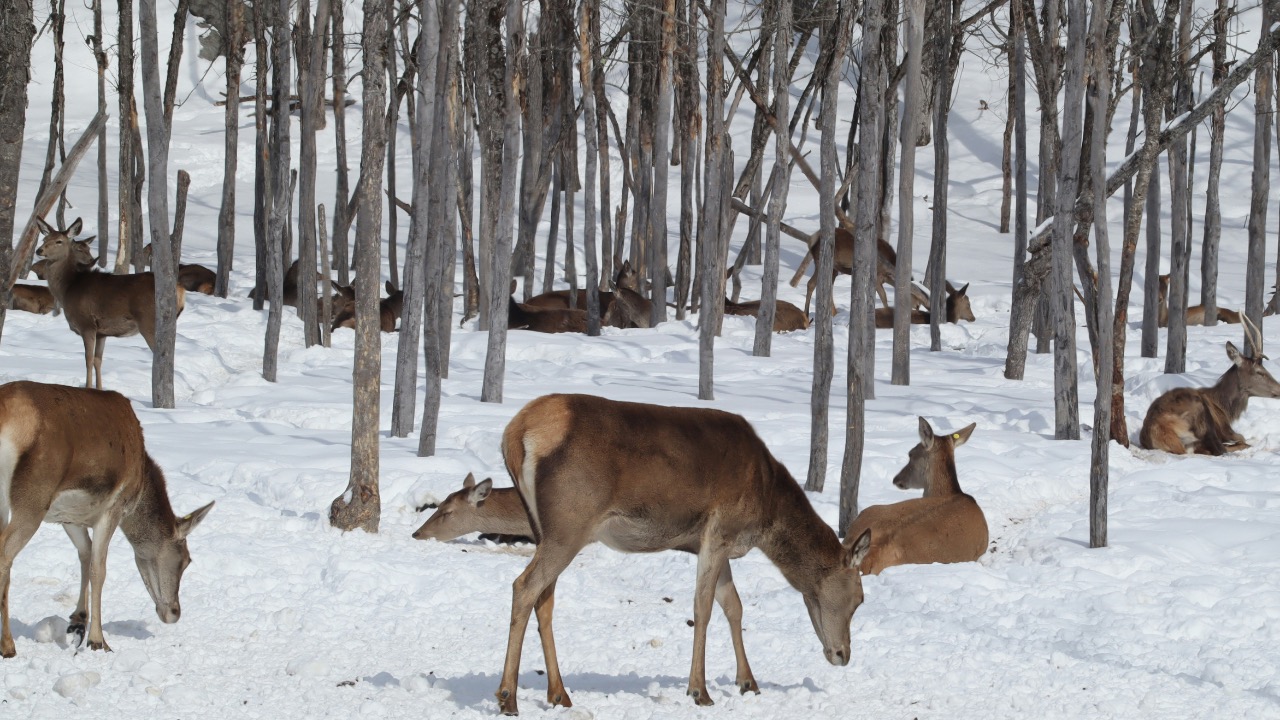
Deer harvest numbers are the closest thing managers have to an annual report card on the herd. Biologists look at how many deer were taken, what percentage were antlered bucks versus antlerless deer, and how those figures compare with population estimates and habitat capacity. When the balance tilts too far toward bucks, or when overall harvest falls well below targets, it is a warning sign that future seasons may bring more crop damage, more deer vehicle collisions, or fewer mature deer on the landscape.
Nationally, recent work on the national doe harvest has stressed that keeping antlerless harvest in step with habitat is what keeps herds healthy and in balance. The same group’s broader Deer Report has highlighted how U.S. hunters have been taking more mature bucks than ever, which is great for trophy photos but only sustainable if doe harvest keeps pace. At the same time, research on hunter behavior has shown that even when total Harvest is steady, changes in season timing can boost Hunter efficiency by 37%, which means managers have to read the numbers carefully before deciding whether a spike or dip is really about deer or about people.
Pennsylvania’s big bump and what it signals
Few states watch deer numbers as closely as Pennsylvania, where whitetails are part of the culture and the economy. Earlier this year, the Game Commission in HARRISBURG reported that hunters harvested about 11 percent more deer in the 2024–25 seasons than they did the year before. A separate breakdown put the total at an estimated 476,880 deer, roughly 46,000 m more than the prior season, with detailed tallies for antlered and antlerless deer in each management unit.
Those numbers are not all good news. In its own analysis, the agency warned that in some Wildlife Management Units, antlerless harvests are increasing, contrary to objectives laid out in its statewide plan, a concern spelled out in the Game Commission release and echoed in the more detailed HARRISBURG summary. When antlerless harvest runs hotter than planned, it can pull local populations down faster than expected, especially in areas with heavy hunting pressure and limited winter habitat. That is exactly the kind of red flag that sends biologists back to the drawing board on tag allocations and season lengths.
New York’s rising harvest and the buck–doe mix
To the north, New York is looking at a different kind of surge. The New York State Department of Environmental Conservation reported that hunters in New York harvested an estimated 223,304 deer during the 2024–25 hunting seasons. Statewide, this represents a nine percent increase in antlered buck harvest and a three percent increase in antlerless deer harvest compared with the previous year, according to DEC estimates.
Those gains are not uniform. In some southern zones, the agency noted that buck take per square mile remains high, while in others, antlerless harvest lags behind targets. A more detailed breakdown of the Statewide trends shows how some units, like 8S, 8T, and 8X, are carrying higher densities and higher harvest rates than others. For managers, the question now is whether to lean on more antlerless tags in those hot spots or tweak season structures to spread pressure more evenly across the landscape.
Ohio and Nebraska: disease, drought, and local crashes
In the Midwest, the story is more uneven. In Ohio, statewide harvest has held relatively steady in recent years, but some counties are dealing with sharp local drops tied to disease. A recent report from Southeast Ohio noted that Washington County deer harvest dropped by over 80% this season as hemorrhagic disease hammered local herds. As Southeast Ohio’s deer population rebounds from disease, Ohio managers are already signaling that hunters in those pockets should expect conservative tag numbers for a while.
Farther west, Nebraska officials are working through their own swings in harvest tied to drought, habitat, and past liberal seasons. One recent update out of the state highlighted that the 2025 deer harvest was down significantly, with Antlerless harvest falling 26 percent from last year and a staggering 54% from five years ago. However, not all categories were in the red, and officials there have been blunt that the pullback in tags was intentional to help deer populations rebound after several tough years.
Virginia’s steady numbers and pressure on public land
In the Mid Atlantic, Virginia is a good example of a state trying to keep things on an even keel. During the 2025–2026 deer seasons, including the early September antlerless seasons, wildlife officials there reported a solid take of White Tailed Deer from opening day of archery onward. The statewide totals did not swing wildly in either direction, which is exactly what managers like to see when they feel the herd is close to objective.
But even in a relatively stable state like Virginia, the pressure is not evenly spread. Public lands near major cities are seeing heavy hunting pressure, while some private tracts go lightly hunted, which can leave local populations out of balance. That is one reason the agency has leaned on early antlerless opportunities and urban archery seasons, tools that showed up clearly in the During the season breakdown. For hunters, the takeaway is that even when the statewide numbers look flat, the experience on the ground can change a lot from one county to the next.
Minnesota, Michigan, and the Upper Midwest reset
Head north into the Upper Midwest and you see a region in transition. In Minnesota, Preliminary deer harvest data from the Minnesota DNR shows the buck harvest made a significant 17 percent leap last season, a sign that age structure and hunter selectivity are both shifting. At the same time, analysts have flagged that doe harvest in parts of the state remains below what is needed to keep herds in check, especially in farm country with rich food and mild winters.
Next door in Michigan, the tone is more worried. A recent Deer Harvest Report breaking down the Michigan DNR numbers described one of the biggest declines in years, with hunters and biologists both pointing to changing hunter demographics, shifting deer distribution, and disease issues in some regions. When you put Minnesota’s rising buck harvest next to Michigan’s slump, it is a reminder that even neighboring states can be on very different trajectories depending on habitat, regulations, and hunter behavior.
The national doe problem and what experts are warning about
Across all these states, the most important number in the spreadsheets might be the one that gets the least attention at deer camp: how many does were tagged. Analysts looking at the national doe harvest have warned that in several regions, antlerless harvest has slipped below what is needed to hold populations steady. Sep reports from the same group stressed that But those issues do not persist year to year, and that the national deer harvest is a big ship with a lot of inertia, but they also pointed out that some states badly need to boost their doe harvest to avoid long term overpopulation.
That concern is front and center in a recent analysis of states that need to boost their antlerless take, which singled out places where buck harvest is strong but doe numbers are not coming down. The broader 2025 Deer Report noted that However, some states have already issued press releases on the 2024–25 deer season and that it was a good year for many deer hunters, but it also flagged that U.S. deer hunters gave the antlerless deer harvest a smaller share of the pie than biologists would like. At the time of writing this Deer Report, many seasons were still underway, yet the early pattern was clear enough that managers are already talking about more aggressive doe seasons in the years ahead.
Disease, regulations, and the new rulebook for deer seasons
Behind the raw numbers, disease and new regulations are quietly rewriting the rulebook for deer seasons. Chronic wasting disease has spread into more herds, and a growing number of States with confirmed outbreaks are tightening carcass transport rules and testing requirements. One recent roundup of new rules highlighted how Disease Control efforts tied to CWD and Beyond Chronic Wasting Disease are forcing hunters to debone meat and leave high risk parts inside management zones, and in some cases to have harvested deer tested before leaving the management zone. Those steps do not directly change how many deer are shot, but they do change where and how hunters participate, which can shift harvest pressure on the landscape.
At the same time, wildlife health experts are reminding agencies that disease is not just a wild deer problem. A technical review of Diseases of Farmed laid out the economic impacts of deer diseases and the role of preventive management to protect market access into the future. While that work focused on farmed herds, the same principles apply to wild populations: once a disease gets established, it is expensive and often impossible to roll back. That is why some states are willing to accept short term drops in harvest, or tighter rules on carcass movement, in exchange for a better shot at keeping their deer healthy over the long haul.
What all this means for hunters heading into next season
For hunters looking ahead, the message in all this data is pretty straightforward. In places like Pennsylvania and New York, rising harvests and strong buck numbers suggest good opportunity, but they also mean agencies may tweak antlerless tags or season dates to keep herds on target. In disease hit pockets of Ohio or drought stressed corners of Nebraska, expect more conservative quotas and maybe shorter seasons as managers try to let numbers rebound. In the Upper Midwest, where Minnesota is seeing a 17 percent buck jump and Michigan is wrestling with declines, regulations are likely to keep evolving as agencies test what works.
From my seat, the smartest move for any serious deer hunter is to pay attention to the same numbers the biologists are watching. Read the local breakdowns from agencies like The New York State, check how many antlerless tags your county is getting, and look at whether your state is on the list of places that Doe Harvest Jumps or needs to catch up. If you care about seeing mature bucks five years from now, the best thing you can do today is to hunt in step with the management plan, even when that means hanging a doe tag on your best shot of the season.

Asher was raised in the woods and on the water, and it shows. He’s logged more hours behind a rifle and under a heavy pack than most men twice his age.