Calibers That Hunters Argue About Every Season
Every hunting season, the conversation inevitably turns to calibers. Some swear by their faithful rounds, claiming unmatched stopping power and precision, while others roll their eyes at what they see as overhyped cartridges. The debates aren’t just about numbers on paper—they’re about recoil, trajectory, bullet construction, and real-world results. Hunters with decades of experience often have differing opinions, and it’s easy to see why. A caliber that excels in one environment might struggle in another. Here’s a look at twelve calibers that spark debate, provoke stories, and keep campfire conversations lively every fall.
.30-06 Springfield
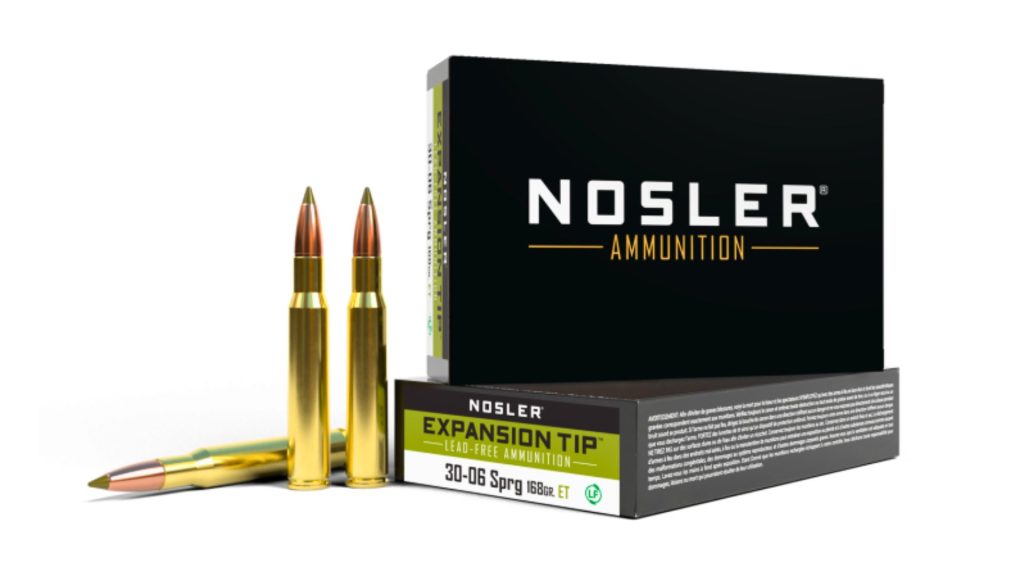
The .30-06 has been a staple for decades, and opinions on it remain polarized. Some swear it’s the ultimate all-around deer cartridge, citing its manageable recoil and wide selection of bullets.
Others argue that modern cartridges like the .308 Winchester or 6.5 Creedmoor surpass it in accuracy and efficiency. Hunters praise its versatility across different game, but detractors point out that recoil can sap stamina over long days. Regardless, the .30-06 continues to show up in rifles each season, fueling debates over whether tradition outweighs innovation in the field.
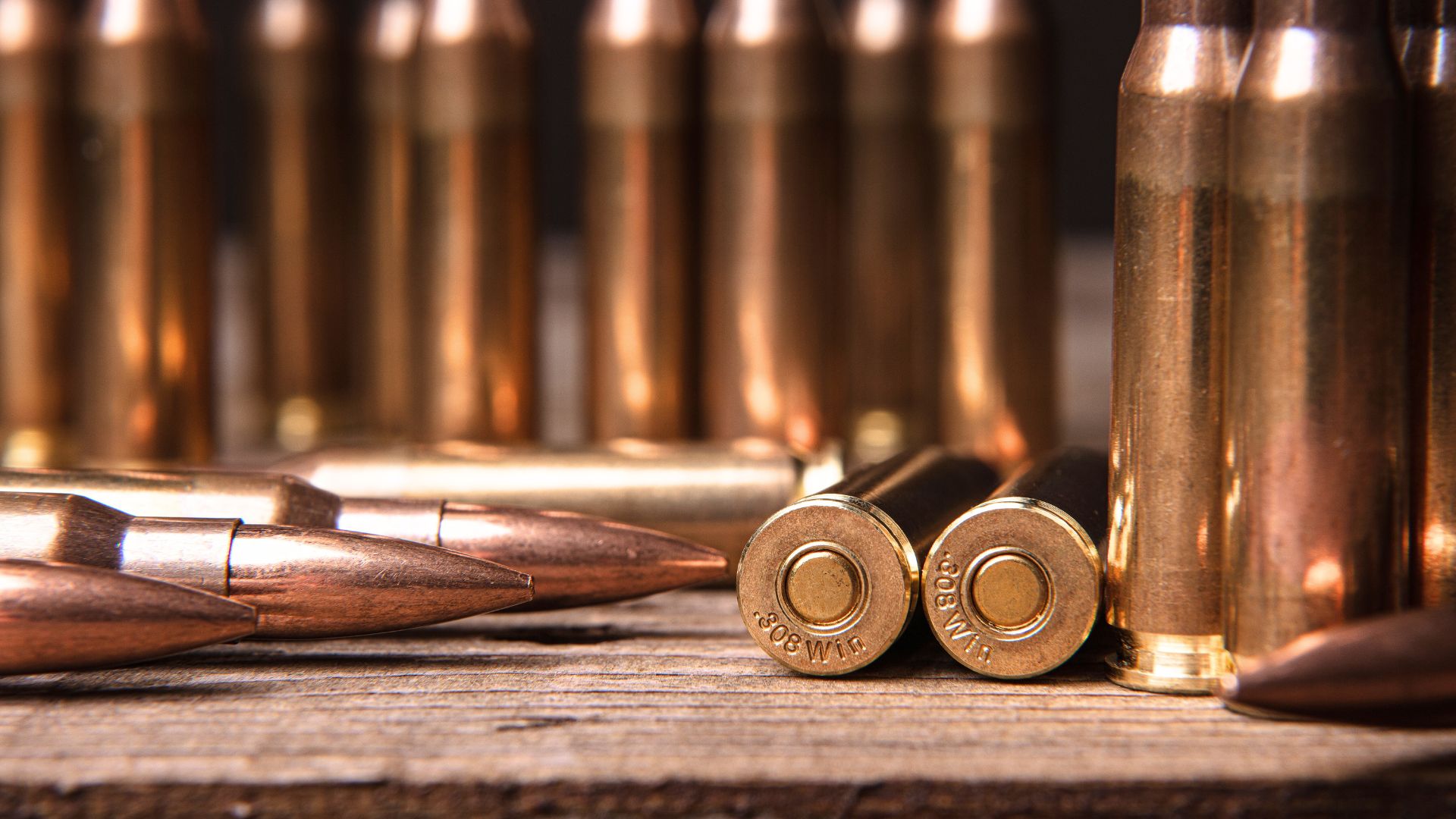
.308 Winchester
The .308 Winchester is widely respected, yet it sparks heated conversations. Many shooters appreciate its accuracy and moderate recoil, especially for mid-range hunting.
Critics argue it lacks the punch of larger magnums for elk or moose, creating a divide between deer hunters and big-game enthusiasts. Ammunition availability is not the issue—it’s the perception of whether it’s overpowered or underwhelming for certain hunts. Every season, you’ll hear hunters championing its consistency while others insist it falls short when the stakes are highest.
6.5 Creedmoor
The 6.5 Creedmoor has become a modern favorite, prized for long-range precision and mild recoil. Its flat trajectory makes shots at extended ranges more forgiving.
Yet old-school hunters question its stopping power, especially on heavier game. Debates flare over bullet selection and whether energy transfer is sufficient for a clean harvest. Some shooters swear by it for ethical hunting, while others see it as overhyped. Its rise in popularity has made it a central topic of conversation in every hunting camp.
.300 Winchester Magnum

The .300 Win Mag has a reputation that inspires both awe and caution. Its power and reach make it attractive for elk and larger game.
However, heavy recoil and muzzle blast can be punishing, leading some hunters to recommend caution or alternative cartridges for comfort and accuracy. There’s no question it’s effective, but opinions vary on whether the power is necessary for typical hunting scenarios. Every season, the .300 Win Mag sparks discussions about balancing force, control, and personal comfort in the field.
.243 Winchester
The .243 Winchester divides hunters in the deer camp. Some love its light recoil and accuracy for young or smaller-framed shooters.
Others insist it’s underpowered for larger whitetail bucks or does in dense timber. Bullet choice becomes critical, and debates erupt over ethical kill potential. While it excels in long-range precision, opinions remain split on whether its light footprint justifies field use. Each season, the .243 prompts conversations about matching caliber to game and shooter capability.
7mm Remington Magnum
The 7mm Rem Mag is a classic long-range performer, admired for its flat trajectory and energy retention. It’s popular among those chasing elk or pronghorn.
Detractors, however, argue that it’s overkill for deer-sized game and punishing for hunters who struggle with recoil. Its reputation as a versatile yet challenging round keeps it in the center of debates. Every season, hunters swap stories about comfort, accuracy, and ethical considerations, keeping the 7mm Rem Mag a constant talking point.
.270 Winchester
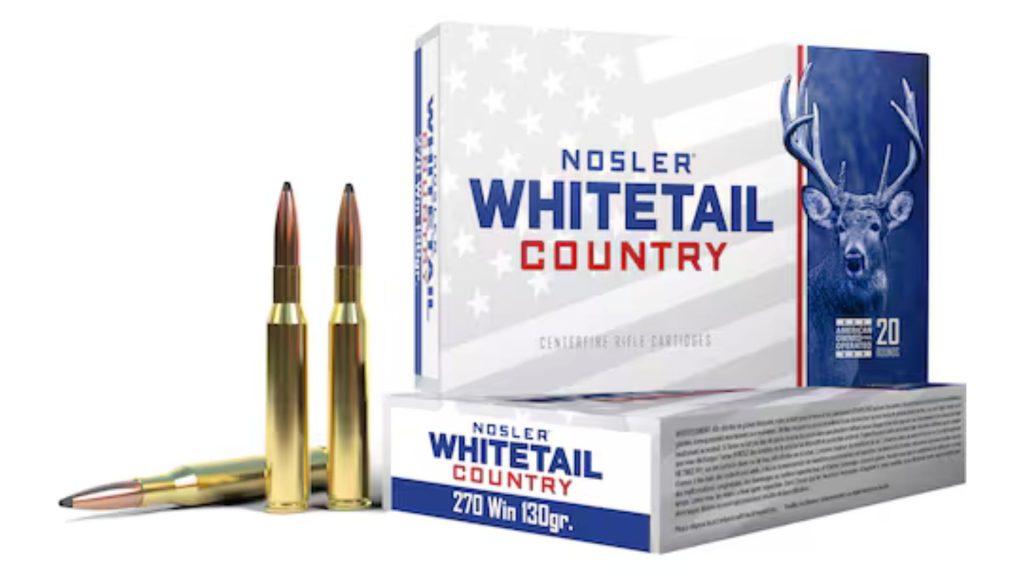
The .270 Winchester is a perennial favorite, especially in open-country hunts. Many praise its balance of recoil, trajectory, and terminal performance.
Critics argue that newer cartridges offer more precision and energy without increasing shooter fatigue. While it remains effective on a wide variety of game, opinions differ on whether tradition or modern performance matters more. Its iconic status ensures it remains a topic of friendly—and sometimes heated—campfire debates every season.
.30-30 Winchester
The .30-30 is often called the “classic deer cartridge,” but opinions are split. Its short-range performance is trusted in dense woods, but some consider it outdated for today’s long-range hunting.
Modern rifles and cartridges offer flatter trajectories, and purists still defend the .30-30’s effectiveness with proper shot placement. Its nostalgia and practicality keep it in discussion, with each season bringing debates over whether old favorites deserve continued use.
.45-70 Government
The .45-70 is big, loud, and slow, making it polarizing. Some hunters love its stopping power for bears or moose at close range.
Others find it cumbersome and unnecessary for most deer hunts. Its recoil and trajectory require respect, which fuels the debate over practicality versus tradition. Each season, the .45-70 sparks stories of “one-shot” success and cautionary tales, keeping it alive in the conversation.
6.5 PRC
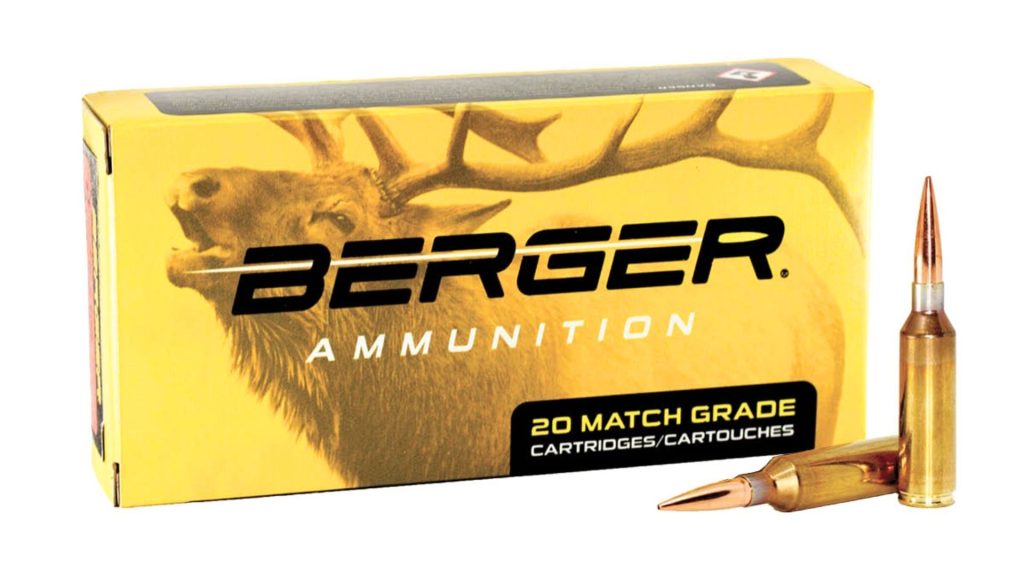
The 6.5 PRC has quickly gained attention for long-range performance, drawing comparisons to 6.5 Creedmoor. Its flat shooting is undeniable, making it attractive for open-country deer or elk hunting.
Skeptics argue that recoil and bullet cost may not justify the improvement over older cartridges. Hunters debate whether it’s a practical upgrade or a high-tech novelty. Each season, the 6.5 PRC invites discussion on efficiency versus tradition, keeping the caliber in heated conversations.
7mm-08 Remington
The 7mm-08 balances recoil and energy well, appealing to hunters of medium game. Its versatility earns respect across different terrain and game size.
Yet some argue that it’s overshadowed by more popular cartridges like the .308 or .270. Debates focus on whether its performance justifies attention or if it’s an overlooked but practical choice. Every season, it becomes a topic of discussion for those weighing tradition, effectiveness, and comfort.
.35 Whelen
The .35 Whelen is admired for its knockdown power on deer and elk, but opinions vary widely. Recoil is higher than typical deer rounds, which can intimidate some shooters.
Others praise its effectiveness and versatility, especially with heavy bullets at moderate ranges. Hunters debate whether its power is necessary or excessive for standard deer hunting. Its niche status ensures it remains a talking point, particularly in campfire conversations about balancing energy, recoil, and shot ethics.

Asher was raised in the woods and on the water, and it shows. He’s logged more hours behind a rifle and under a heavy pack than most men twice his age.