Calibers that make every deer look farther away
Hunting at long distances demands cartridges that hold velocity, maintain flat trajectories, and deliver reliable energy at range. Some calibers, however, have a way of exaggerating the challenge, making even moderate shots feel like impossible long-range efforts. These rounds can exaggerate bullet drop, magnify wind drift, or simply lack the velocity to reach farther targets with confidence. Understanding which cartridges struggle at range is crucial to ethical hunting. Here are twelve calibers that, despite their popularity or history, often make every deer look farther away than it really is.
.30-30 Winchester
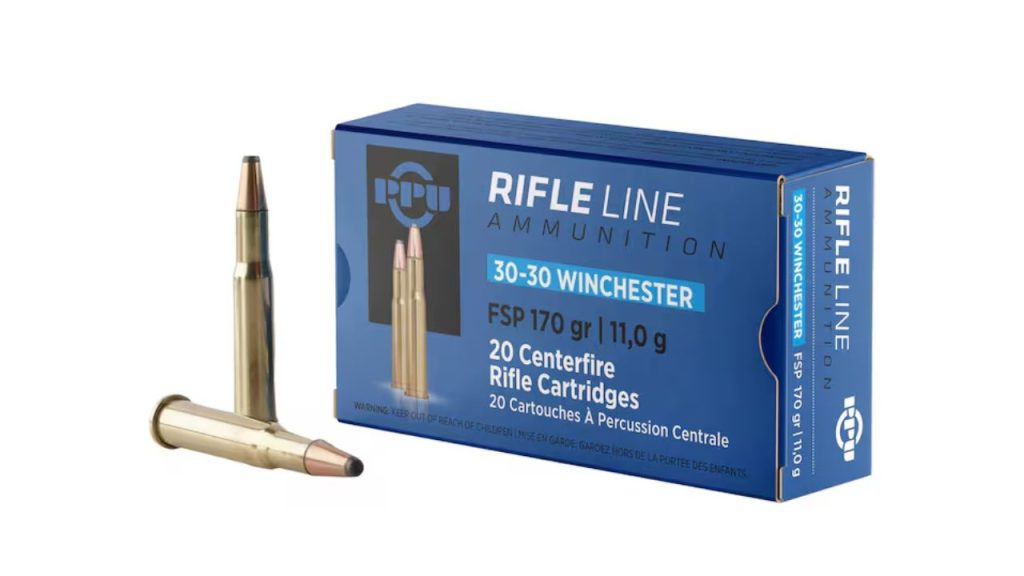
The .30-30 Winchester has a storied history and excels at close-range hunting, but its limitations become apparent beyond 150 yards. Moderate velocity and heavy bullet drop make estimating holdover critical, and wind can push shots off target.
Even with proper optics, shots at longer distances require compensating for trajectory and environmental factors. Hunters may find themselves underestimating drop, leading to near misses or questionable hits. While it’s a fantastic short-range round, the .30-30 exaggerates distances and can make even medium-range deer appear much farther than they actually are.
.35 Remington
The .35 Remington delivers solid energy at short to moderate ranges, but its slower velocity means long shots require precise holdover and wind judgment. Bullet drop becomes more pronounced as distance increases, reducing confidence on targets beyond 150 yards.
Hunters relying on the .35 Remington often feel like every deer is at the edge of the range envelope. Even well-placed shots demand careful calculation. While it works reliably within its effective range, the round’s performance diminishes at longer distances, making distant deer feel more challenging than they truly are.
.45-70 Government
The .45-70 Government hits hard, but it travels slow and arcs heavily over distance. While devastating on close-range game, long shots require significant compensation for drop and wind drift.
Taking deer at extended ranges with a .45-70 can feel intimidating. Even with scopes and trajectory charts, every target beyond moderate distance seems farther than it is. It remains an excellent heavy-game round, but distance exaggeration is inherent to its ballistics.
6.5-284 Norma
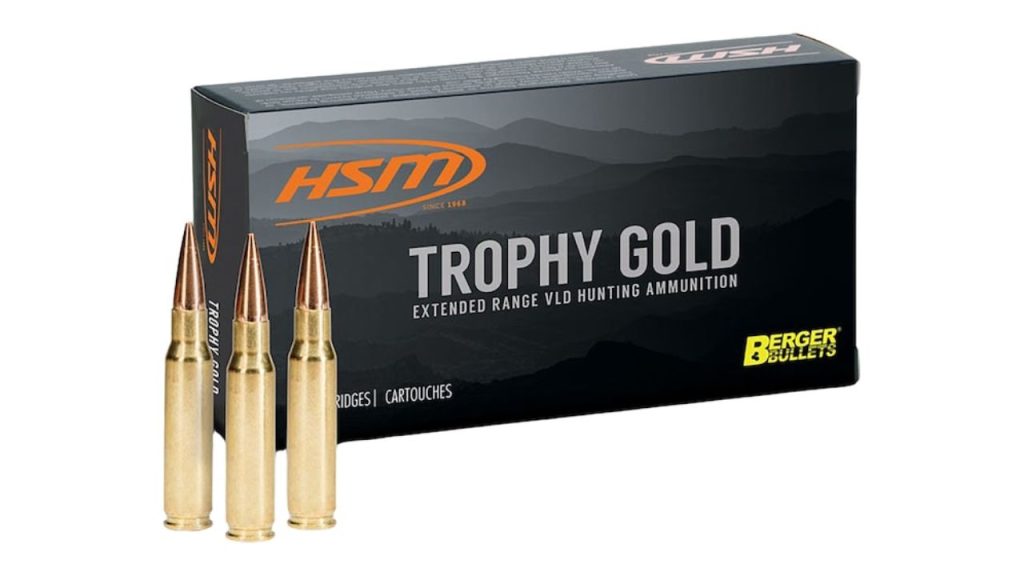
The 6.5-284 Norma has excellent long-range potential, but it demands precise handloading and knowledge of ballistics. Factory loads often have limited velocity compared to its potential, resulting in noticeable drop at range.
Hunters using standard loads may find themselves constantly adjusting for holdover. While capable in skilled hands, this caliber can make moderate shots feel farther than they actually are when relying on standard ammo. Awareness of trajectory and wind effects is critical for ethical long-range hunting with this round.
.257 Roberts
The .257 Roberts is a flat-shooting, moderate-caliber option, but it requires careful shot placement and wind correction beyond 200 yards. Lighter bullets can drift, and energy falls off more quickly than modern cartridges.
Hunters quickly notice that deer at mid-range demand more calculation than expected. Shots that appear straightforward may require holdover and wind compensation, making every animal feel further away than it is. The cartridge works well in skilled hands but can challenge those used to faster, heavier rounds.
.243 Winchester
The .243 Winchester is popular among hunters for its mild recoil and accuracy, but its light bullets lose energy quickly at distance. Beyond 250 yards, trajectory and wind become significant factors that reduce effective confidence.
Even moderate shots can feel intimidating. Deer that look reachable at 200 yards may require holdover, and wind drift can mislead inexperienced shooters. The .243 is excellent for younger hunters and close-range shooting but tends to exaggerate distance on larger shots.
.22-250 Remington
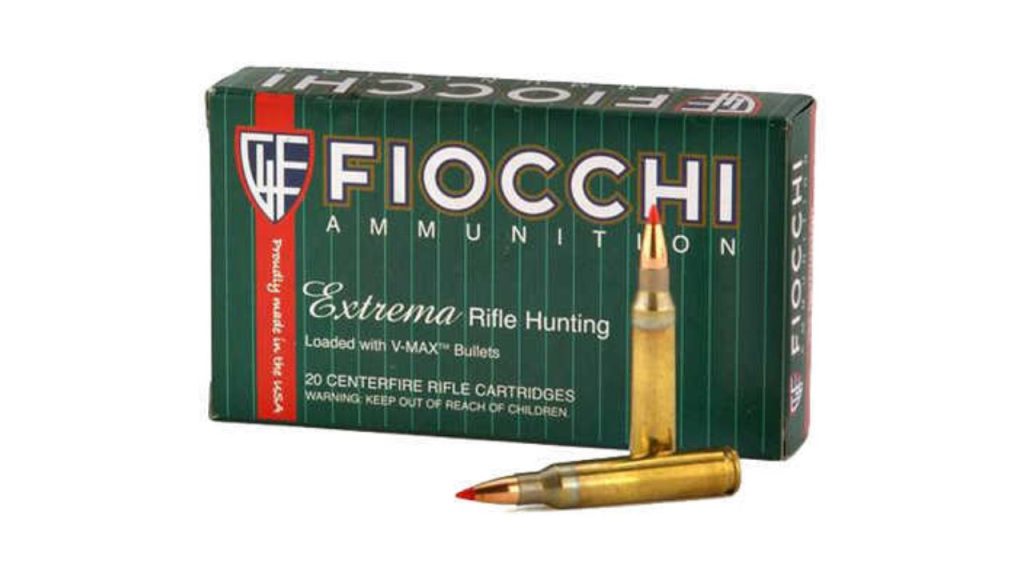
The .22-250 Remington excels on varmints but is not ideal for longer-range deer hunting. Lightweight bullets are easily affected by wind, and energy drops off quickly, making accurate placement at distance tricky.
Targets that seem reachable may feel distant as the round’s high velocity is offset by minimal mass. While effective on smaller game, the cartridge exaggerates distances for deer and introduces uncertainty in shot placement, reducing confidence at moderate ranges.
7mm-08 Remington
The 7mm-08 Remington is versatile, but its moderate velocity and lighter bullets require attention to trajectory at longer ranges. Holdover increases with distance, and wind has a more pronounced effect than some hunters anticipate.
Shots beyond 300 yards demand careful calculation. Hunters may perceive distant deer as being further away due to the subtle but cumulative effects of bullet drop and drift. Within its effective range, it performs well, but the round exaggerates distance perception at longer shots.
.30-06 Springfield
The .30-06 Springfield is a legendary deer cartridge, but even it requires holdover beyond 250 yards with heavier bullets. Trajectory is manageable, yet extended shots require attention to wind and drop.
Hunters can find that every animal beyond mid-range feels more distant than expected. While the round delivers power and versatility, maintaining confidence on longer shots demands experience. Misjudging holdover can make deer seem further away than their actual position.
.280 Remington
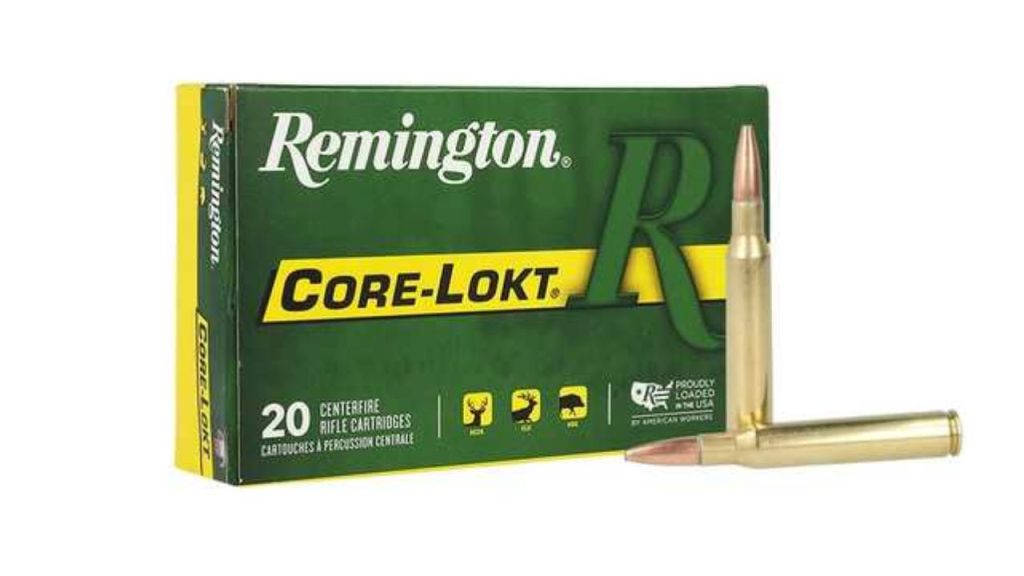
The .280 Remington offers flat trajectories with moderate recoil, but like most mid-calibers, shots beyond 300 yards require precise holdover. Lighter bullets may drift more than expected, especially in gusty conditions.
Even capable shooters feel distant targets are challenging due to minor but cumulative trajectory effects. The cartridge rewards careful shot placement and wind reading, but deer at extended ranges can feel deceptively far. Proper optics and range estimation are critical.
.270 Winchester
The .270 Winchester is a classic long-range deer round, yet bullets drop and lose energy over distance. Shots past 300 yards are manageable but require attention to holdover, wind, and bullet selection.
Hunters often experience the illusion of distance exaggeration, where a deer that appears reachable requires careful calculation to achieve a humane kill. While effective, the .270 demands respect at longer ranges, making each shot feel more challenging than it seems.
6.5 Creedmoor
The 6.5 Creedmoor has gained fame for long-range performance, but even this efficient cartridge requires skill and awareness. Lighter bullets are subject to wind drift, and holdover increases with distance.
For hunters unfamiliar with its ballistics, moderate-range deer may feel farther away than they are. While the caliber is capable in skilled hands, it exposes even experienced shooters to perception challenges at range. Ethical and confident long-range hunting depends on understanding its trajectory and environmental factors.

Asher was raised in the woods and on the water, and it shows. He’s logged more hours behind a rifle and under a heavy pack than most men twice his age.