

Rifles That Never Quite Group Consistently
Some rifles tease you with a few nice clusters, then fall apart the moment you think you’ve figured them out. They aren’t broken, and they aren’t beyond saving—they’re simply machines with habits, quirks, and limits that show up at the worst possible time. Every hunter has shot one at some point. You settle behind it expecting a respectable group, and the first two rounds touch. The third lands somewhere you didn’t invite. Before long, you’re chasing the paper instead of solving the problem. These rifles don’t fail outright; they just refuse to settle into the rhythm you want.
Lightweight Sporter Rifles
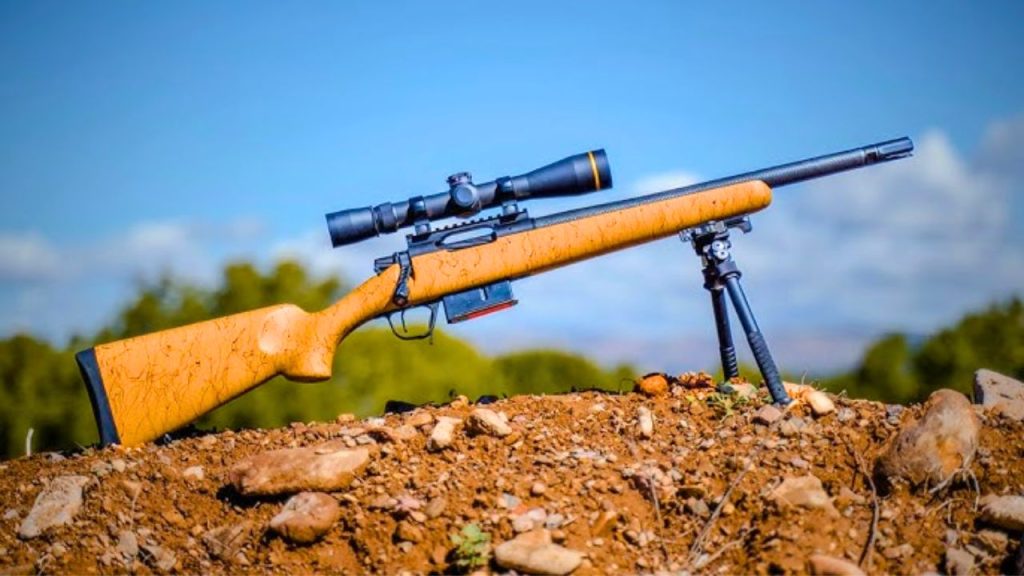
Ultra-light rifles are great to carry, but they’re rarely steady on the bench. Thin barrels heat fast, stocks flex under pressure, and even a minor shift in grip can change impact. When you add wind or cold fingers, those early tight groups start scattering in all directions. Many hunters blame the cartridge or the scope, but the reality is simpler: featherweight rifles magnify every mistake.
You can still hunt confidently with one, but you need to accept its limits. Shoot slow, let the barrel cool, and don’t expect endless cloverleafs. Lightweight rigs reward good form but punish anyone who rushes.
Budget Bolt-Action Rifles
There’s nothing wrong with entry-level rifles—they’ve filled a lot of freezers. But accuracy often varies from one gun to the next. You might get a rifle that groups decently with a specific load, or you might get one that refuses to settle regardless of what you feed it. Inconsistent bedding and cheaper triggers tend to reveal themselves on paper.
These rifles can still be reliable hunting tools, but you need realistic expectations. Don’t assume they’ll shoot like a premium barrel. Give them time, try several loads, and once you find a combination that works, stick with it. Many hunters chase improvements where none exist.
Pencil-Barrel .30-Caliber Rifles
Big calibers and thin barrels rarely agree. The first few shots might line up nicely, but once that pencil barrel starts heating, groups spread apart in a hurry. Hunters often assume the issue is their aim or the scope, not the simple fact that physics is working against them.
These rifles are meant for quick, cold-barrel hunting shots, not extended range sessions. They’re accurate enough for deer at normal distances, but if you push them through long strings of fire, they’ll remind you that they weren’t built for competition.
Autoloading Rifles with Loose Tolerances
Semi-autos can be excellent tools, but accuracy isn’t always their strongest trait. Some designs rely on looser tolerances to ensure they run in dirt, cold, and mud. That reliability comes at the cost of consistent lock-up and perfect barrel harmonics. You’ll see two shots touch and then a flyer wanders off the grid.
That doesn’t make these rifles poor choices for hunting. It simply means you shouldn’t expect benchrest performance. Keep shots within reasonable ranges and accept that a semi-auto’s strength lies in speed and reliability, not tiny groups.
Older Rifles with Worn Crowns
Plenty of older hunting rifles carry decades of honest field wear. They still shoot, still cycle, and still hold sentimental value. But a worn or damaged crown can destroy accuracy, often in subtle ways. The barrel may look fine from the outside, yet groups wander no matter what ammo you use.
Hunters sometimes continue fighting these rifles instead of getting a gunsmith to clean up the crown. A quick recut can make a surprising difference. Until then, the rifle will keep throwing shots wide even when everything else feels right.
Rifles with Overly Flexible Synthetic Stocks
Not all synthetic stocks are created equal. The cheaper ones tend to flex under pressure, especially off a bipod or sandbag. That shift changes how the barrel sits in the channel, which changes the point of impact. A rifle that prints two decent shots might send the next one drifting because the stock moved slightly.
These rifles can still be hunted confidently, but you need to shoot them the way you plan to carry them. Avoid heavy pressure on the fore-end, and don’t assume your bench group matches your field performance.
Rifles with Rough Factory Chambers
A rough chamber can cause inconsistent lock-up and minor variations in pressure. That small change shows up on target as groups that widen for no clear reason. Hunters often burn through boxes of ammunition trying to solve the mystery when the real issue sits inside the receiver.
A gunsmith can polish the chamber and bring consistency back. Until then, these rifles behave unpredictably. They’re safe enough to shoot, but they’ll rarely deliver the tight groups their owners expect.
Rifles That Hate Cheap Ammunition
Some rifles simply refuse to shoot well with budget loads. Barrel twist, throat length, and chamber dimensions all affect how a bullet stabilizes. You might be able to stack premium rounds into a tidy cluster, then scatter bargain rounds like buckshot. Hunters often blame themselves before considering that the rifle is picky.
It’s not a defect—some barrels are tuned around specific bullet weights and velocities. Once you find the load it likes, accuracy settles in. Until then, the rifle keeps reminding you that cheap ammo doesn’t always pay off.
Rifles with Over-Torqued Action Screws
Action screws that are too tight or uneven can warp the stock or shift the receiver slightly. That misalignment leads to erratic groups that no amount of scope adjustments or new ammunition will fix. Many hunters overlook this simple problem and end up frustrated during sight-in.
A torque wrench often solves everything. Once the screws are balanced and seated properly, groups tighten, and the rifle starts behaving predictably. Until then, the rifle keeps you chasing answers that feel more complicated than they are.
Rifles with Aging Optics
Sometimes the rifle isn’t the problem at all. Old scopes with foggy internals, drifting reticles, or inconsistent adjustments wreak havoc on groups. Hunters often trust optics far longer than they should, especially if the glass has sentimental value.
When the zero wanders or clicks don’t track cleanly, the rifle gets blamed. But once the scope is replaced, the accuracy often returns. A rifle that never grouped consistently suddenly behaves like it always had potential.
Muzzleloader Rifles with Loose Sabot Fit
Muzzleloaders demand consistency in a way modern rifles don’t. If your sabots fit loosely or burn inconsistently, you’ll see it on target immediately. Hunters who rush their loading process or switch brands without testing usually end up with unpredictable groups.
A tight, repeatable fit makes all the difference. Once you lock in the right combination, a muzzleloader becomes surprisingly accurate. Without that discipline, it will scatter shots and challenge your patience.
Rifles with Poor Bedding Jobs
Bedding keeps the action stable. When it’s done poorly or not at all, accuracy suffers. The rifle shifts slightly under recoil, and each shot leaves the barrel sitting differently. Hunters may spend years blaming their form when the real culprit sits hidden in the stock.
A proper bedding job turns unreliable rifles into dependable hunting tools. Until that work is done, you can expect groups that drift enough to make you second-guess every shot you take.

Leo’s been tracking game and tuning gear since he could stand upright. He’s sharp, driven, and knows how to keep things running when conditions turn.


