Bass Lures That Look Perfect but Get Ignored
Every angler has bought a lure that looked like it belonged in a museum. The colors were flawless, the hardware gleamed, and the packaging promised something close to magic. Then you tied it on, fired it into a spot that should’ve produced a strike, and watched bass swim right past it like it wasn’t even there. Some lures fool anglers more than fish, and the difference becomes clear once you spend enough time on pressured lakes or in dirty water where presentation matters more than paint jobs.
A lure doesn’t need to look fancy to work, and some of the best producers barely pass the eye test. But the ones on this list fall into the opposite category. They look great, maybe even expensive, yet they rarely earn a permanent place in your tackle bag. With bass behavior tightening up each year, you start to notice which lures perform and which ones only photograph well.
Rapala Scatter Rap Crank
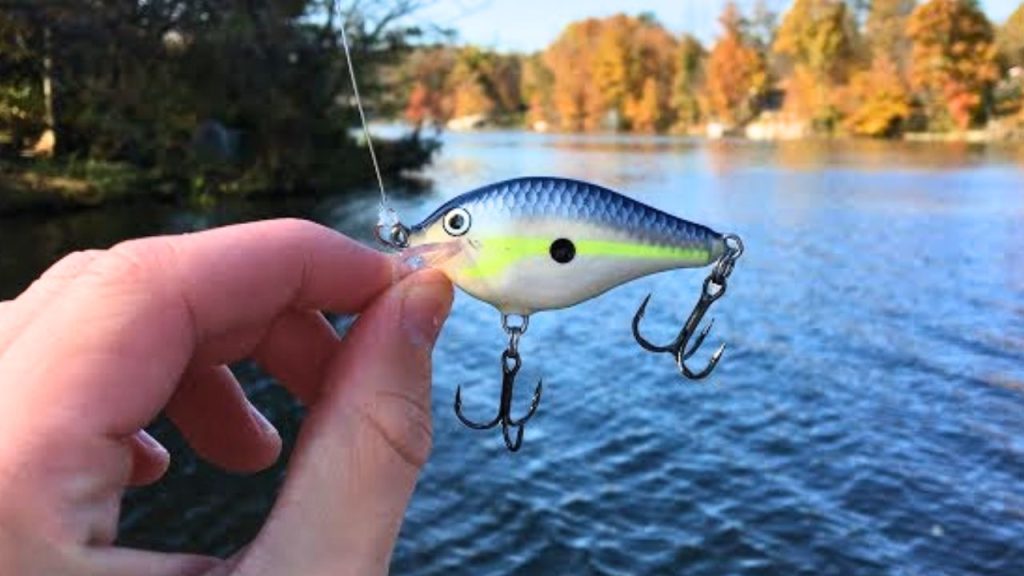
The Scatter Rap series was built around its wandering action, and on paper that seemed promising. But in the water, the wobble can be too unpredictable, especially in lakes where bass want something more deliberate. Instead of triggering reaction strikes, the lure often veers off course in ways that look unnatural, causing bass to track it for a second, then drift off.
The other issue is depth control. You can feel the lure wandering in your rod tip, but you can’t always keep it in the zone. In shallow flats, that’s frustrating. In deeper brush lines, it’s a deal-breaker. The Scatter Rap looks fantastic, but when fish want consistency, its erratic behavior works against you.
Livingston Pro Sizzler
The Pro Sizzler has a polished finish and built-in sound technology that seem like they should help in tough conditions. But in practice, the lure can be too noisy for pressured bass, especially in clear water. You’ll see fish bump or follow it without committing, which tells you something isn’t lining up with what the fish expect.
The weight distribution also makes the bait sink faster than many anglers anticipate. That limits how effectively you can work it in a slow topwater pattern, where hesitation or drag kills the presentation. Everything about the lure seems impressive until you pay attention to how rarely it actually earns a strike.
Berkley Flicker Shad HD
The Flicker Shad HD looks excellent on the rack thanks to its photo-real finishes. But underwater, the lure doesn’t always move like the natural baitfish it’s modeled after. The tight rolling action can be too subtle when fish want a wider kick, and too aggressive when they want something calm. That middle-ground behavior works against it.
It also struggles in off-color water. The clean detailing that impresses anglers doesn’t mean much when visibility drops, and bass tend to ignore the faint flash. It’s a lure that seems perfect for matching the hatch, yet you quickly find yourself switching back to something louder or with a stronger thump.
Storm Arashi Vibe
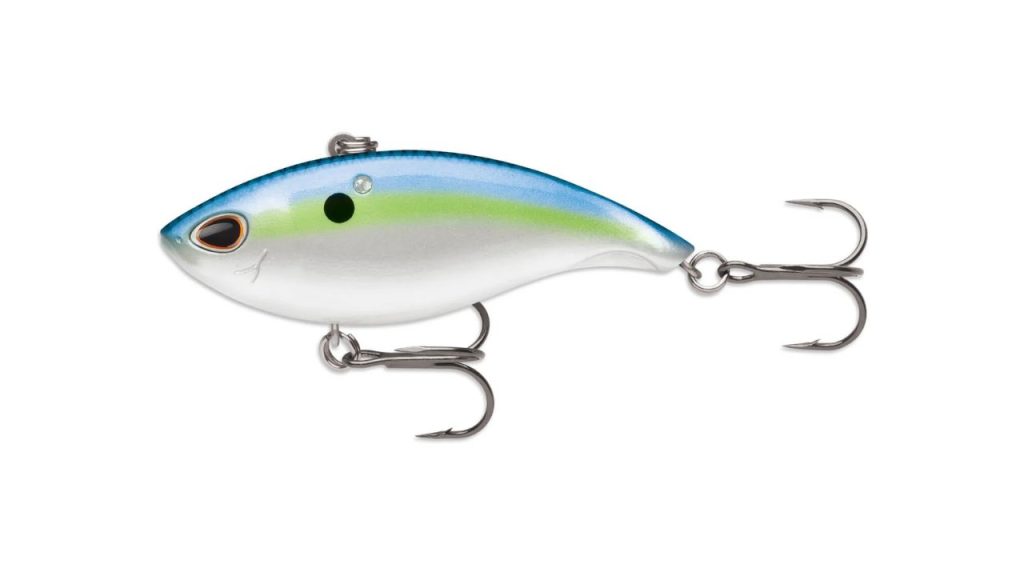
The Arashi Vibe is built to cover water fast, but that strength becomes a weakness around curious, cautious bass. The lure vibrates well, but at higher speeds it loses the heavy thump that lipless baits need to stand out. Fish often track it without showing interest, especially in grass lines where vibration is everything.
In cold water, it performs even worse. Lipless baits should have a slow fall that glides into the strike zone, but the Vibe drops too quickly and doesn’t shimmy enough to trigger a reaction. It’s a lure that looks great on paper but rarely rises above average in real conditions.
Jackall Pompadour Jr.
Few topwater lures look as good as the Pompadour Jr., and its crawling action definitely draws attention. But attention doesn’t equal strikes. When bass are cautious or slightly pressured, the lure’s metal wings can be overwhelming. Instead of committing, fish often boil behind it or peel away at the last second.
The lure also struggles in any chop. It catches too much surface water and loses its rhythm, becoming more noise than action. On calm days you can make it work, but in real fishing conditions, it often gets ignored in favor of quieter topwater options.
Yo-Zuri 3DB Jerkbait
The Yo-Zuri 3DB Jerkbait has a polished finish and suspended design that make it look ready for cold-water work. But bass don’t always buy what it’s selling. The jerkbait’s internal weighting can give it a stiff profile during pauses. Instead of hovering naturally, it hangs in place without much character, and pressured fish spot that right away.
In warmer water, the lure struggles even more because its tighter movement doesn’t match the wounded-baitfish look that fires up bites. To get the most out of it, you need constant rod work, and even then results tend to be inconsistent. It’s a lure that talks a big game but rarely keeps pace with other jerkbaits.
Strike King KVD 8.0 Squarebill
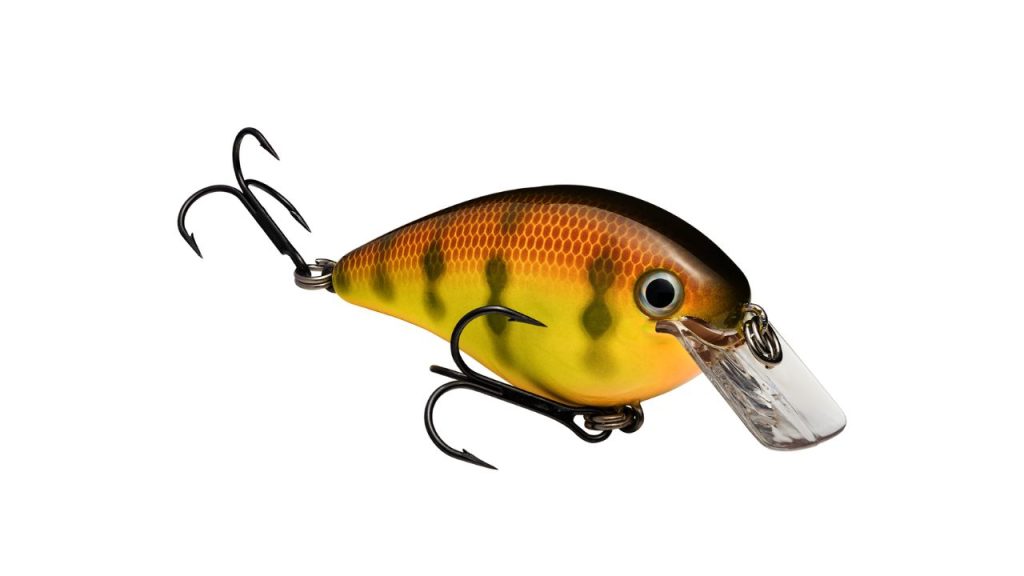
The KVD 8.0 Squarebill was built to target bigger-than-average bass, and the oversized profile certainly catches your eye. But that size works against you in most lakes. When bass are dialed into smaller forage, the gigantic body and aggressive kick can make the lure feel out of place. You’ll often pull it through great structure with nothing to show for it.
The bill design also makes it grab too much cover. Instead of working over rock or timber with a controlled deflection, the lure tends to jam and kill momentum. On the right day it can shine, but those days are far rarer than you’d expect for a bait this hyped.
Savage Gear Glide Swimmer 170
The Glide Swimmer 170 looks incredible in hand and moves gracefully when conditions are perfect. But it demands more commitment from bass than most fish are willing to give. You’ll see long followers that track the bait for yards before fading away, which becomes discouraging after enough casts.
The lure also loses much of its appeal if you speed up even slightly. Glide baits need a clean, sweeping motion, and this one tightens up the moment you deviate from a slow rhythm. It’s a showpiece lure that requires fine-tuned conditions to perform, and on most days those conditions don’t line up.
Rebel Trackdown Minnow
The Trackdown Minnow looks like it should crush smallmouth and clear-water largemouth. But its sinking action rarely fools finicky fish. When paused, it drops straight instead of wandering like injured bait, and that stiffness is easy for bass to pick apart.
The color patterns, while clean, lack the shading and depth modern minnows offer. On pressured lakes where subtle differences matter, that lack of realism shows. You can still coax a few strikes with it, but compared to other small-profile minnows, this one tends to underperform more often than not.
Lucky Craft Gunfish
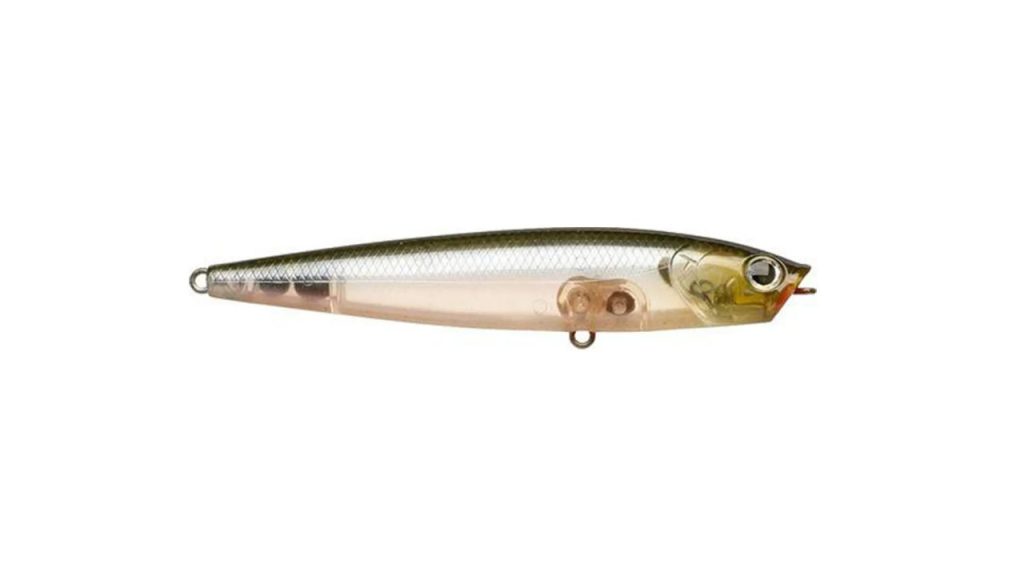
The Gunfish is sleek, aerodynamic, and creates a good spit on top. But that splash can actually work against you in calm water. Bass often shadow it for several feet before turning away, which tells you the profile or sound isn’t triggering the final step. It creates interest, not conviction.
Casting distance is another drawback. While the lure looks designed for long throws, the lighter models struggle when bass are sitting far off points or deeper grass lines. By the time your presentation reaches the fish, the subtle advantage you needed is gone.
Rapala Original Floating Minnow (F11–F13)
The Floating Minnow has earned its reputation over decades, but that doesn’t mean it shines everywhere. In bass-specific situations, the lighter builds can work against you. The buoyant body rises too quickly on pauses, which pulls the lure out of the strike zone when fish want something suspended or slowly sinking.
Its tight action is great for river fishing but doesn’t always persuade bass feeding on larger prey. In deeper or more stained water, the lure lacks the presence to stand out, and fish that might track it simply lose interest. It remains a classic, but it’s rarely the best tool for modern bass pressure.
Booyah Pad Crasher Jr.
The Pad Crasher Jr. looks convincing and fits through tight cover well, but the smaller body size often causes bass to strike short. Instead of inhaling it, they nip at the back, and you’re left swinging on missed hooksets. Over time, you start to notice how rarely the frog produces clean hookups.
The hooks also sit tight against the body, reducing your chances even more. In heavy cover, where frogs should excel, this lure proves inconsistent. It’s not the worst frog on the market, but it’s hard to keep tying it on when better options hook more fish with less effort.

Leo’s been tracking game and tuning gear since he could stand upright. He’s sharp, driven, and knows how to keep things running when conditions turn.