Knives That Can’t Handle Bone and Cartilage
Some knives are fine on soft cuts and clean hides, but they fall apart the second you lean into something tougher. Anyone who’s broken down a deer knows bone, cartilage, and joints are the real test of a blade. If the steel collapses, the edge folds, or the handle twists under pressure, the knife becomes a liability. And when you’re cold, tired, and trying to finish a job fast, a weak blade doesn’t just slow you down—it can cut you instead of the animal.
You don’t need a high-dollar custom knife to get through bone, but you do need dependable steel, a stable handle, and geometry that won’t buckle under torque. These knives earned attention on shelves but have a habit of disappointing once you press into real field work. If you’ve ever snapped an edge on a deer’s brisket or watched a blade skid off cartilage, you’ll recognize the pattern here.
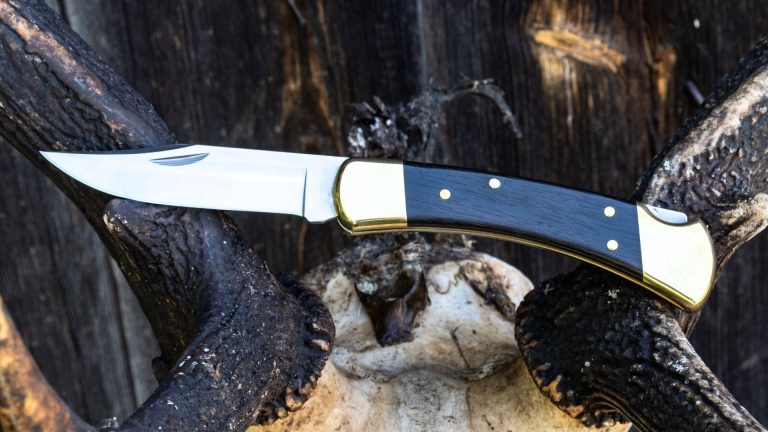
Buck 379 Solo

The Buck 379 looks handy in your pocket, but the moment you ask it to work beyond light trimming, its limitations show. The thin slip-joint design isn’t meant for twisting through joints or prying around a shoulder. When you push on the spine, there’s a noticeable flex, which makes detailed work feel unstable. You can get away with small cuts, but not much more.
The steel also struggles with edge holding when you hit anything dense. A few encounters with cartilage can roll the edge enough to force constant touch-ups. For casual carry it’s fine, but once you’re in an elk quarter or even a tough whitetail, you’ll wish you had something sturdier.
Old Timer 34OT
The Old Timer 34OT has nostalgia on its side, but durability around bone isn’t one of its strengths. The blades are thin, and the frame isn’t built for torque. When you try to work the tip into a joint or around the ball of a hip, you feel the knife twisting more than cutting. That makes the work slower and more dangerous.
The 7Cr steel compounds the issue. It dulls fast, especially around cartilage, where resistance is uneven and the edge is stressed. You can sharpen it back up, but you’ll do it frequently. For bone work or heavy field dressing, it feels outmatched and underbuilt.
Morakniv Basic 511
The 511 excels at clean slicing, but bone and cartilage expose its weak points fast. The Scandi grind is unforgiving when you bind the blade sideways. Instead of riding smoothly through tough tissue, it catches and wedges, placing torque on the edge. Many hunters have seen micro-chips appear after a single challenging field dress.
The plastic handle is also slick when wet, and that matters when you’re elbow-deep in a carcass. If you slip while trying to pry, the blade won’t forgive the angle. A Mora is perfect for many jobs, but bone work isn’t one of them, and the 511 shows that clearly.
Kershaw 1313BLK Spork Knife

It sounds like a joke tool because it basically is. The 1313BLK was never meant for breaking down game, and bone proves that instantly. The soft steel folds quickly, and the blade is simply too thin to tolerate any lateral pressure. Try opening a joint with it and you’ll feel more bend than cut.
It also lacks the grip and leverage needed for controlled strokes. The handle is small and awkward, which becomes a problem when you’re pushing through a brisket line. In camp, it’s a novelty. In the field, it’s a mistake waiting to happen.
Victorinox Swiss Army Recruit
Swiss Army knives are great for general use, but the Recruit version doesn’t belong near bone. The primary blade flexes easily, and the slip-joint mechanism doesn’t give you confidence when you push hard. If you angle the knife wrong, it’ll fold in ways you don’t want to experience.
Victorinox steel holds a respectable edge on soft tissue, but cartilage isn’t forgiving. The edge rounds over quickly and forces you into more strokes than necessary. When those strokes land with a folding slip-joint, the risk rises. It’s a handy pocket companion, but not a game-processing tool.
CRKT Minimalist Bowie
This knife feels terrific for its size, but it simply isn’t built for bone. The narrow tang and small grip limit your leverage, and when you try to push through cartilage, the knife wants to twist. That torque works against the blade geometry and dulls the edge faster than you’d expect.
The 5Cr steel is also on the soft side. Heavy contact with bone leads to rolling and burrs that you’ll need to sharpen away immediately. It’s a neat neck knife for camp chores and light slicing, but it struggles when the work becomes demanding.
SOG Instinct Mini

The Instinct Mini looks tough, but when you’re working inside a rib cage, the shortcomings show. The blade is extremely short, which forces awkward hand positions and extra pressure. That pressure, combined with the thin frame, makes the knife feel unstable around joints.
The steel isn’t much help either. It loses bite quickly on bone and can’t maintain a consistent edge profile once you start prying. It’s the kind of knife that seems stout until it meets resistance, and then it reveals exactly how limited it is.
Gerber Paraframe Mini
The Paraframe Mini is everywhere, but “everywhere” doesn’t mean “for bone.” The open-frame design flexes under torque, and the blade doesn’t have the strength to force its way through cartilage. When you push down hard, you can feel the handle shifting in your hand.
The 7Cr steel dulls quickly. Once you hit bone, the edge loses aggression and starts sliding instead of cutting. That leads to more pressure, more slipping, and more frustration. It’s a fine pocket knife for everyday life, but using it to break down game is a losing battle.
Havalon Piranta (with standard blades)
The Havalon Piranta can make precision cuts beautifully, but bone exposes its Achilles’ heel. The replaceable scalpel blades are razor-sharp but far too fragile for any twisting or prying. One misplaced angle and the blade snaps, often while you’re deep in the chest cavity.
When the blade breaks, it can disappear into the animal, which turns the rest of the job into a recovery mission. These knives are incredible for caping and detail work, but using them on joints or big cuts is a mistake that usually ends with frustration—or a cut hand.
Opinel No. 6

The Opinel No. 6 is a joy for slicing, but the thin carbon blade isn’t suited for bone. It flexes quickly and feels unstable if you put side pressure on it. The locking collar also struggles when it gets wet or cold, which often happens in field dressing.
Carbon steel will take a wicked edge, but it won’t survive rough bone contact without rolling. This knife can handle camp food, hide work, and odds and ends, but anything involving joints or thick cartilage pushes it past its comfort zone.
Schrade Old Timer Sharpfinger (modern version)
The original Sharpfinger earned praise, but many modern versions use softer steel and different construction. When you meet resistance in a joint, the edge loses bite quickly and can even dent. The sweeping belly also makes it tougher to work precisely around bone plates.
The handles on newer models feel a little hollow, and under torque the knife doesn’t feel as anchored as older versions. Against soft tissue, it still works fine. Once you take it into bone and cartilage, though, you start to see where corners were cut.
Benchmade Mini Pika II
The Mini Pika II has a slim profile, but that profile is exactly why it struggles in heavy field tasks. Thin blades don’t tolerate twisting well, and when you drop into a shoulder joint, you’ll feel the knife binding instead of carving. That binding increases the risk of slipping—never good inside a chest cavity.
The 9Cr steel holds up reasonably on lighter cuts but loses its edge faster than you’d like when hitting bone. With enough effort you can make it work, but it’s out of its league once you move beyond soft tissue.

Leo’s been tracking game and tuning gear since he could stand upright. He’s sharp, driven, and knows how to keep things running when conditions turn.