Guns that lose accuracy faster than confidence
Most shooters know the feeling. You start a range session strong, groups look good, and then things quietly fall apart. The problem isn’t always you. Some guns hold accuracy for a handful of shots, then drift as barrels heat, actions loosen, or tolerances stack up. These firearms aren’t useless, but they demand restraint and discipline to keep them shooting straight. When pushed past their comfort zone, confidence erodes fast. Knowing which guns behave this way helps you manage expectations and avoid chasing problems that aren’t shooter-induced. These are firearms that tend to lose precision quickly once conditions stop being ideal.
Ruger Mini-14
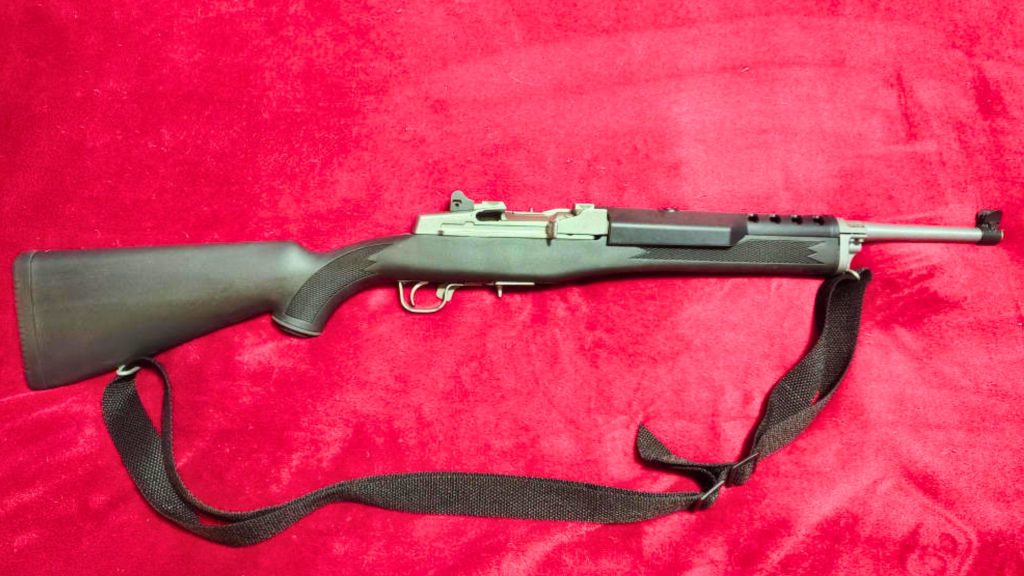
The Ruger Mini-14 is famous for reliability, not consistency. Cold-barrel accuracy can be decent, but thin barrels heat quickly and start walking shots. Groups that begin tight often spread noticeably after a few magazines.
You can manage it with slow fire and realistic distances, but sustained shooting exposes the platform’s limits. Bedding and barrel harmonics vary, and even minor heat changes shift point of impact. Shooters often blame optics or ammo before realizing the rifle has already drifted. Confidence drops as adjustments stack up, and you’re left chasing zero instead of shooting. The Mini-14 works within narrow margins, but step outside them and accuracy fades fast.
AKM-Pattern Rifles
AKM rifles are built for durability, not precision. Many shoot acceptably at first, especially with quality ammo, but accuracy degrades quickly as barrels heat and tolerances flex.
Thin barrels and loose fits mean point of impact shifts as soon as you move past slow, deliberate shots. Even skilled shooters notice groups opening unpredictably. It’s not a flaw so much as a design choice, but expectations often exceed reality. The rifle keeps running, yet precision disappears early in a session. Confidence drops when hits stop matching holds, and no amount of trigger control fixes what the platform isn’t built to maintain.
Remington 700 SPS
The Remington 700 SPS often shoots well out of the box, but factory stocks and bedding can undermine consistency. As barrels warm, pressure points in the stock start affecting harmonics.
Groups that look promising early may open without warning. Shooters frequently suspect scope mounts or ammo, only to find the stock flexing under recoil. Without bedding work, accuracy becomes session-dependent. It’s frustrating because the action and barrel are capable, yet the surrounding components hold them back. Confidence slips when repeatability disappears, especially during longer strings. The rifle isn’t broken, but it rarely stays dialed without extra attention.
Lightweight AR-15 Carbines
Pencil-barrel AR-15s feel great in the hands, but accuracy often fades quickly once heat builds. Thin barrels shift as they warm, and gas system changes can alter harmonics mid-session.
Early groups may look excellent, then stretch vertically or string shots as temperatures rise. Even experienced shooters struggle to predict when accuracy will drop. It’s common to blame optics or technique before realizing the barrel has already moved. These rifles reward slow fire but punish volume. Confidence erodes fast when your holds stay the same but impacts don’t. Lightweight builds trade sustained precision for portability, whether advertised or not.
Marlin 336
The Marlin 336 can shoot surprisingly well for a lever gun, but consistency rarely lasts. Barrel bands and fore-end pressure change as the rifle warms, shifting point of impact.
Initial shots often land where expected, but groups open as metal and wood heat differently. Shooters chasing tighter groups usually end up adjusting sights unnecessarily. The rifle excels at cold-barrel hunting shots, not extended range sessions. Confidence fades when follow-ups drift without explanation. The 336 does what it was designed to do, but sustained accuracy isn’t part of the equation, no matter how good the first group looks.
Springfield M1A
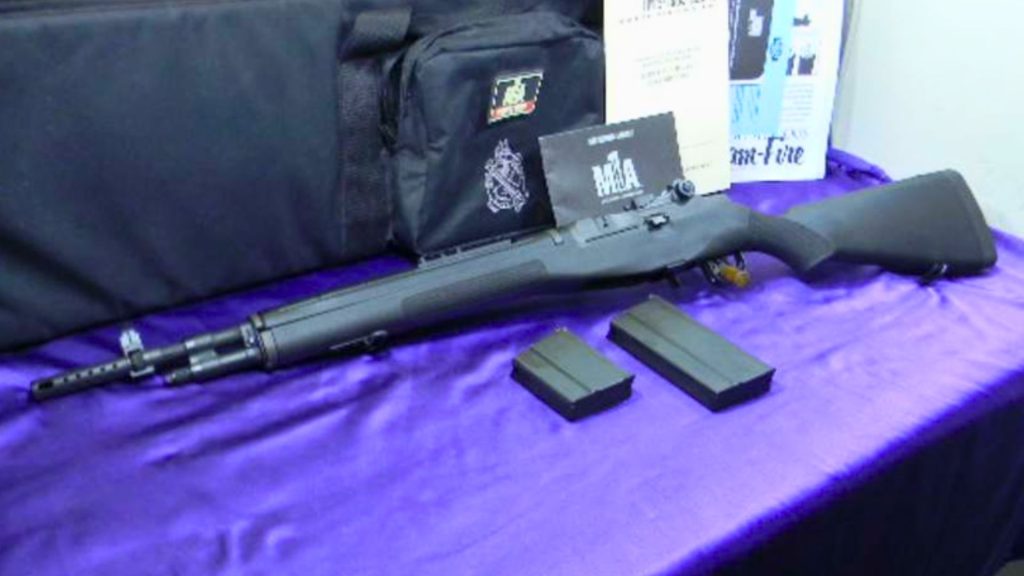
The M1A has presence and history, but accuracy can be fleeting. Bedding, stock fit, and barrel heat all influence performance. Cold groups may look solid, then shift as the rifle warms.
As temperatures rise, point of impact often walks, especially in standard models. Shooters start doubting fundamentals when the rifle is really changing underneath them. Keeping accuracy requires careful maintenance and controlled firing pace. Without that discipline, confidence erodes quickly. The M1A can shoot well, but it rarely forgives long strings or rushed sessions. Precision exists, but it’s fragile and easy to lose.
Thin-Barrel Hunting Rifles
Many lightweight hunting rifles share the same problem regardless of brand. Thin sporter barrels heat quickly and lose stability after a few shots.
The first group often sells the rifle. The next one tells the truth. Shots begin to climb or spread as steel warms and flexes. Hunters rarely notice this in the field, but it becomes obvious on the bench. Shooters chase adjustments instead of letting the barrel cool. Confidence drops when groups won’t repeat. These rifles are meant for one or two cold shots, not load development marathons or extended practice.
Kel-Tec Sub-2000
The Sub-2000 can be accurate enough early on, but consistency fades with use. Lightweight construction and flex in the folding design affect stability as the gun heats and cycles.
Groups that start acceptable often open unpredictably. Shooters notice changes but struggle to isolate the cause. Barrel heating, sight movement, and grip tension all play a role. It’s easy to lose confidence when nothing feels repeatable. The design prioritizes portability over sustained precision, and accuracy suffers accordingly. It works for its purpose, but expecting consistency beyond short strings leads to frustration fast.
Budget Bolt Guns with Plastic Stocks
Entry-level bolt guns often shoot well initially, but flexible stocks undermine consistency. As barrels warm and recoil stress builds, pressure points shift.
Groups wander even though the action and barrel haven’t changed. Shooters suspect ammo, optics, or themselves before noticing stock movement. Without bedding or reinforcement, accuracy becomes unpredictable across sessions. Confidence drops when results don’t match effort. These rifles can be made better, but out of the box they rarely hold precision for extended shooting. The problem isn’t skill, it’s structure.
Short-Barrel .308 Rifles
Short-barrel .308 rifles deliver power, but heat builds quickly. Muzzle blast and barrel whip increase as temperatures rise, affecting group shape and point of impact.
Early shots often look fine, then spread without warning. Shooters compensate unnecessarily, chasing a moving target. Even with quality barrels, the combination of pressure and heat shortens the accuracy window. Confidence drops when data stops lining up. These rifles demand pacing and discipline. Ignore that, and precision fades fast, leaving you questioning shots that felt solid when they broke.
Pump-Action Rifles
Pump rifles can surprise you with early accuracy, but consistency is fragile. Movement in the action introduces variability with each cycle, especially as heat and fouling increase.
Groups often open as sessions continue, even with careful technique. Slight changes in pump pressure shift point of impact. Shooters notice hits drifting and struggle to correct it. Confidence erodes when fundamentals stay solid but results don’t. Pump rifles serve specific roles well, but sustained accuracy isn’t one of them. Expecting bolt-gun consistency only leads to frustration.
Surplus Military Rifles
Many surplus rifles shoot acceptably at first, then fall apart as heat builds. Loose tolerances, worn barrels, and inconsistent bedding all show up under extended fire.
Initial groups create optimism that fades quickly. Shots string, wander, or open unevenly. Shooters often blame ammo quality, but the rifle’s condition plays a bigger role. Confidence drops as predictability disappears. These rifles carry history, not repeatable precision. They reward patience and realism, not modern accuracy expectations. Push them too hard and they remind you exactly what they were built for.

Asher was raised in the woods and on the water, and it shows. He’s logged more hours behind a rifle and under a heavy pack than most men twice his age.