Guns hunters brag about until they actually shoot them
Every hunter has met someone who can’t stop talking up a rifle or shotgun they haven’t really wrung out yet. The stock looks sharp, the action feels smooth, and the whole thing comes across like it walked out of a catalog shoot. But a gun’s charm at the counter rarely tells the full story. Some of them make big promises until you get them on the range and watch the groups wander, the recoil stack oddly, or the controls feel like they were borrowed from another design entirely.
These guns aren’t bad in the sense of being unsafe. They’re simply the ones that seem to win people over before they’ve earned it. Once you start sending rounds, the shortcomings show up fast. If you’ve been around long enough, you’ve shot a few of these yourself—guns that lure you in with their looks or reputation, then leave you shaking your head when the results hit paper.
Browning BAR MK3
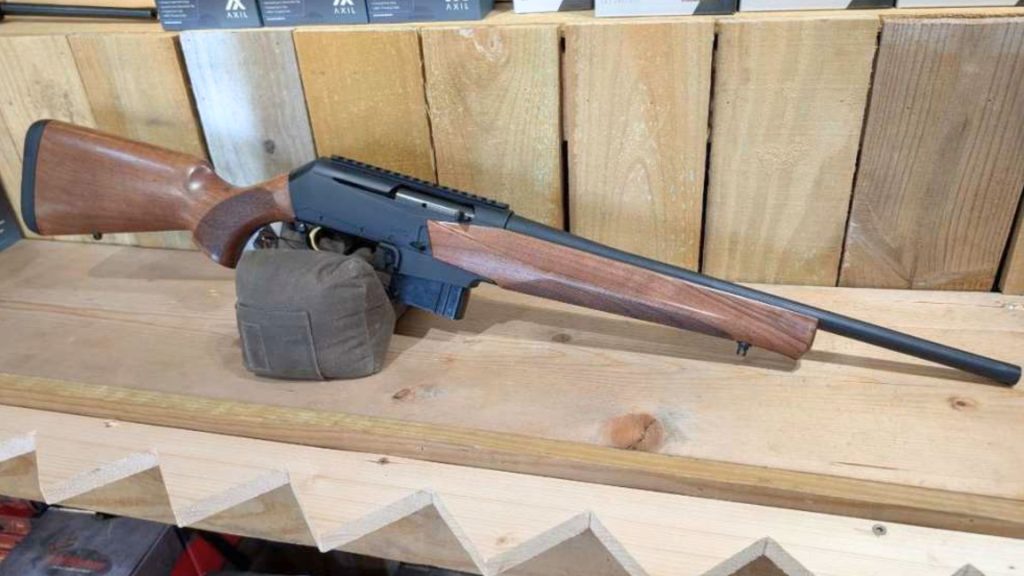
The BAR MK3 checks every box for curb appeal, and it’s easy to understand why folks talk it up. The rifle carries well, shoulders smoothly, and has that clean, traditional look that Browning has always done well. It feels like a gun you could hunt anything with, and for many, the controlled recoil of a semi-auto is a big draw. Handle one in a shop and it’s hard to find a reason not to like it.
The trouble shows up on the bench. Some examples group reasonably, but plenty wander past what most hunters expect from a modern rifle. Between barrel heating, finicky ammo preferences, and a somewhat vague trigger, the MK3 can struggle to turn that great first impression into dependable accuracy. It’s a gun people praise early, then soften their tone once they’ve tried to tune a load for it.
Winchester Model 94 Angle Eject
The AE version of the Model 94 is a favorite to brag about because the rifle carries all the nostalgia of the original while actually working with modern optics. Pick one up and you get that classic lever feel that makes anyone think they’re stepping into a western. It balances well, and the wood-and-steel layout has charm in a world full of polymer rifles. On looks and handling alone, it wins a lot of people over.
But when you shoot it, the story changes a bit. The rifle’s light weight, tubular magazine, and somewhat loose-feeling lockup can make groups open up faster than expected. A 94 can be perfectly fine inside woods ranges, but stretching one or trying to get tight clusters often leads to mild disappointment. Folks talk about how much they love them, but they rarely brag about the groups.
Ruger American Ranch in 7.62×39
The Ranch rifles in this caliber get a lot of buzz because they’re small, handy, and thread-ready. They feel energetic in the hands and seem like the kind of gun you could haul everywhere without complaint. For hunters who like suppressed setups or short barrels, the Ranch checks boxes that most budget rifles don’t. The price tag alone gets people talking before they even mount an optic.
But once you start shooting, you’re reminded that 7.62×39 isn’t exactly known for tight accuracy out of bolt guns. The magazine fit can be touchy, and the short, light barrel heats up fast. Some rifles shoot acceptably, but many produce loose groups unless you baby the setup. It’s a rifle that gets hyped for its purpose and feel, then quiets down once folks see how wide those clusters can get.
Remington 770
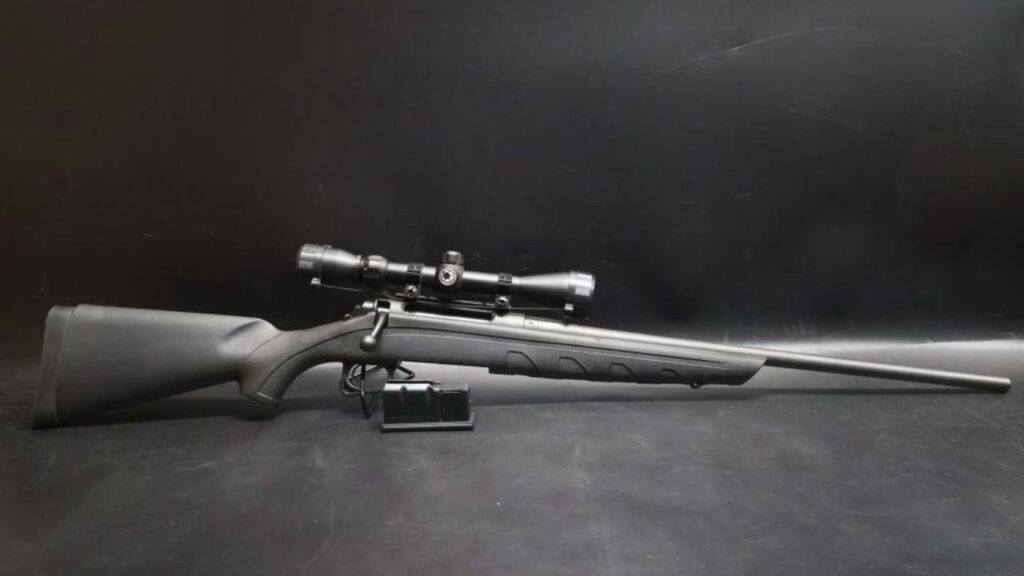
The 770 looks the part—sleek lines, lightweight frame, and a factory-mounted scope that gives buyers confidence right off the rack. Many hunters talk it up as a “great starter rifle” or “a gun that’ll handle anything” before they fire a single round. Holding it in-store, the rifle doesn’t seem like it should cost what it does, and the bolt feels smoother during dry cycling than its reputation suggests.
The problem becomes clear on paper. The factory triggers tend to be spongy, the stocks flex, and the action often feels much rougher once you’re actually running it under recoil. Groups are inconsistent across rifles, sometimes wildly so. These guns tempt plenty of hunters at first glance, but after the range trip, the conversation usually gets quieter.
Thompson/Center Compass
The Compass built a following because it’s affordable and comes with features hunters like—threaded barrel, decent ergonomics, and lightweight carry. It’s a rifle people praise before they’ve even mounted glass, often comparing it to guns twice the cost. On first inspection, the bolt feels decent, and the trigger seems workable. For budget hunters, that’s enough to start bragging.
But the accuracy results can swing hard from rifle to rifle. Some shoot well, but others scatter shots or demand specific loads to hold respectable groups. The plastic stock doesn’t help, especially with pressure points that shift under recoil. Many hunters talk the Compass up early, then learn later that the model can be hit-or-miss.
Henry Single Shot Rifles
Henry single shots attract attention because they’re handsome and uncomplicated. The wood is better than what you see on most rifles in their price range, and the break-action design feels nostalgic. Many hunters brag about how light and quick they are before putting a single round downrange. They feel like the kind of rifle you’d hand to a kid on their first deer hunt.
Then you shoot them, and you run into quirks. Triggers vary widely. The hinge lockup isn’t always perfect, and several calibers produce more recoil than new shooters expect because of the lightweight build. Group sizes can drift, especially as barrels warm. They’re rifles people love the idea of, more than the results they actually get.
Marlin 336W

The 336W looks great at the counter. The wood is eye-catching, the action feels smooth enough, and the rifle carries the kind of heritage that makes hunters brag before the first shot. For many, the 336 name alone is enough to spark confidence. It’s easy to picture yourself slipping through timber with it, and that’s usually where the bragging starts.
Some rifles shoot fine, but quality control varied across production years, particularly the later ones. Rough barrels, uneven crowns, and inconsistent triggers mean these rifles don’t always cluster shots the way hunters expect. Accuracy at woods distances is usually acceptable, but beyond that, they lose ground fast. Bragging tends to slow down after the initial range session.
Mossberg 464
The Mossberg 464 attracts shoppers with its clean lines, light weight, and familiar lever feel. It’s often praised as an affordable replacement for discontinued classics. Many hunters brag about its fit in the shoulder and easy carry before ever firing it. With a compact frame and good balance, it feels like a rifle that should deliver.
But once it’s on the bench, accuracy becomes unpredictable. Some examples string shots vertically, and the sights often need more adjustment than expected. Recoil can feel abrupt for a .30-30, which doesn’t help follow-up groups. The 464 wins people over before shooting, but its real-world performance can knock the shine off fast.
Savage 110 Hog Hunter
This rifle draws attention because it feels tough and ready for rough work. The heavy barrel, iron sights, and controlled balance make hunters nod approvingly. Many brag about how rugged and steady it feels, especially when handled in a shop. The oversized bolt knob and threaded muzzle also spark early praise.
On the range, accuracy tends to be fine, but the weight distribution can make it harder to shoot well in field positions than many expect. The trigger is usually crisp, but the overall heft can work against you if you’re not steady behind it. Hunters often brag about how “purpose-built” it feels—until they try shooting it offhand or from a quick rest.
Ruger Mini-30
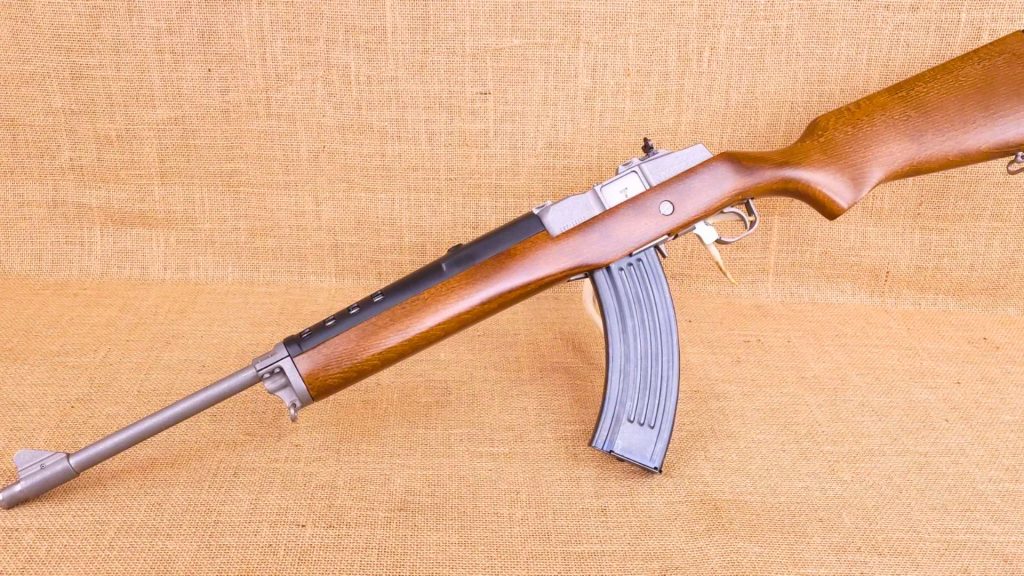
The Mini-30 has a look and feel that gets people talking. It carries like a classic ranch rifle and has that traditional Mini-action feel that many hunters love before they even load it. Handling it makes you believe you’re getting a fast, handy, reliable field rifle that’ll punch above its price.
Accuracy is where the bragging slows down. The Mini-30 has never been known for tight groups, and many rifles shoot noticeably wider than comparable bolt guns or AR platforms. Ammo sensitivity doesn’t help, especially with varying bullet diameters in 7.62×39. A lot of hunters praise how it feels and shoulders—then stop bragging once they see the groups.
Marlin Model 60
The Model 60 is easy to brag about—smooth action, classic rimfire design, and a price that makes it feel like a bargain. Handling one brings back memories for a lot of hunters, which adds to the early praise. It’s lightweight, quick to aim, and fun to cycle when it’s empty. Plenty of folks talk it up before heading to the range.
But the accuracy varies more than people admit. Some rifles shoot impressively well, while others refuse to group consistently. The tube magazine adds its own quirks, and heat buildup affects shots quicker than you’d expect. Many hunters love the Model 60 before they fire it, but the results can be a mixed bag once you start sending rounds.
Thompson/Center Venture
The Venture looks sharp for its price and feels steady in the hands. The bolt glide impresses people who try it at the counter, and the stock feels better than many in the same bracket. Hunters often brag about how smooth it cycles and how well it shoulders before they’ve mounted a scope or tried a load.
Once you shoot it, you see the weak areas. Some barrels produce wandering groups, and certain rifles show more variation shot-to-shot than you’d like from a modern bolt gun. Triggers are passable but inconsistent across production. Early bragging tends to fade when real accuracy expectations set in.

Asher was raised in the woods and on the water, and it shows. He’s logged more hours behind a rifle and under a heavy pack than most men twice his age.