Rifles That Survive a Winter Hunt Without Complaint
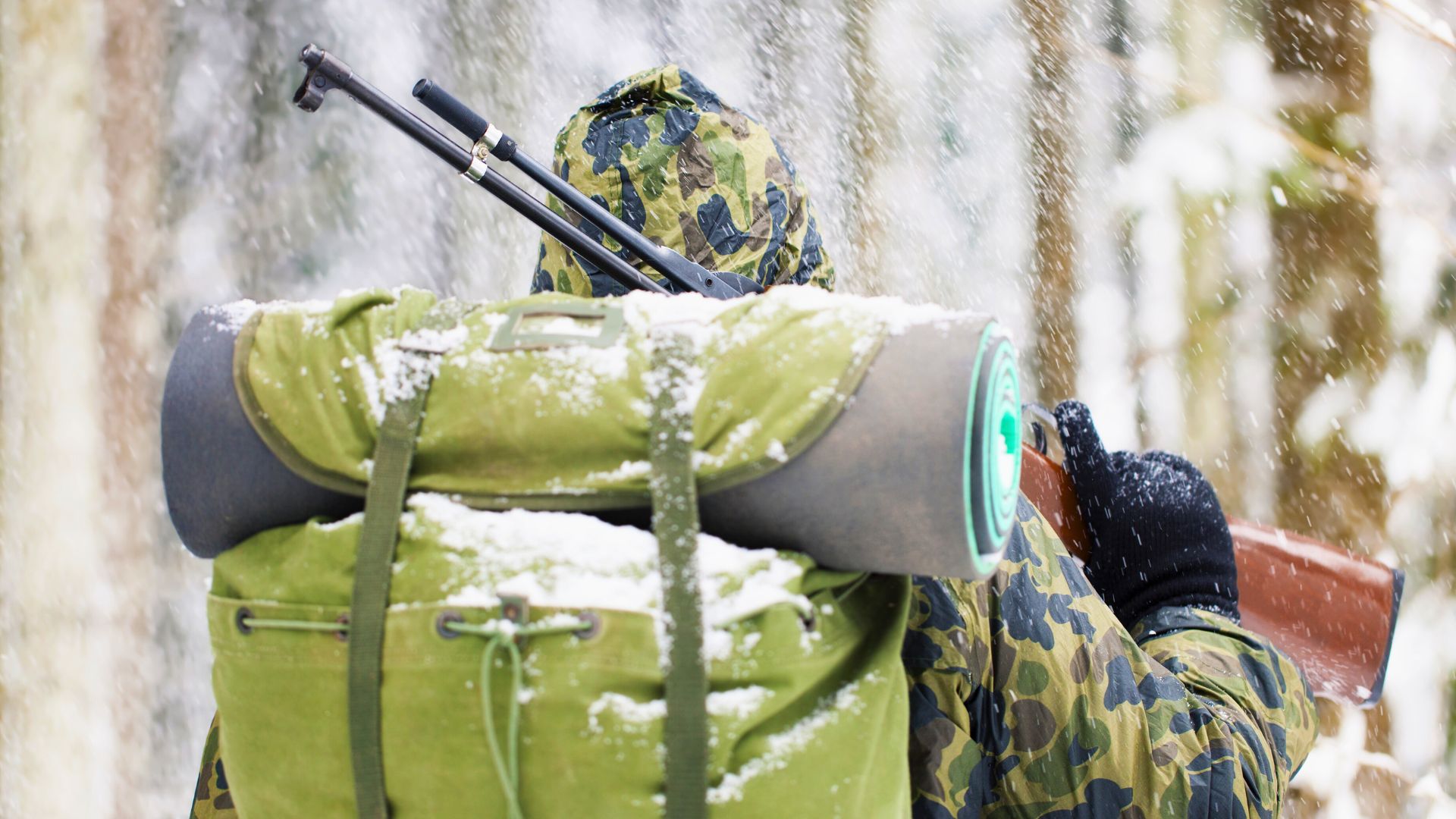
Cold weather has a way of exposing weakness. Rifles that cycle fine on a sunny range day sometimes freeze up when the world is white and the wind cuts like a knife. Snow blows into the action, oil thickens, and plastic stocks shrink or squeak. Hunters learn quickly which rifles keep going when the trucks struggle to start and gloves make everything clumsy. A winter rifle doesn’t need luxury—it needs reliability. You want something that fires with cold fingers, cycles without hesitation, and shrugs off powdery snow like it belongs out there. These rifles have earned their reputation in real weather, not the showroom.
Tikka T3x
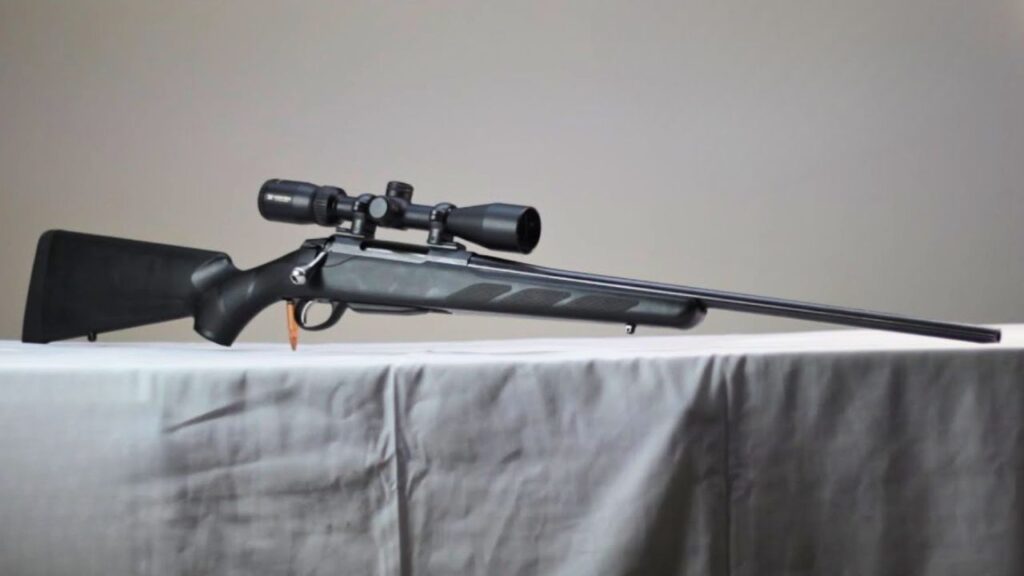
The T3x has developed a loyal following among mountain and northern-country hunters for one main reason: reliability when temperatures drop. The action cycles smoothly even when condensation freezes, and the enclosed bolt sleeve helps keep debris out. The synthetic stock doesn’t warp when wet or brittle in subzero mornings, and many hunters appreciate how little fuss the rifle asks for.
Accuracy holds well in cold-soaked barrels, and the trigger breaks consistently even while wearing gloves. You’ll meet hunters who drag them through snowdrifts year after year with the same calm confidence. It’s a rifle that needs almost no babysitting to keep shooting.
Ruger American
The Ruger American isn’t fancy, but it shows up to work in weather many rifles complain about. The bolt lift is light and forgiving with frozen hands, and the bedding system keeps groups steady even when the stock sees rapid temperature changes. Hunters like that it tracks well from zero to deep winter without constant re-zeroing.
This rifle also feeds reliably even when grit sneaks into the magazine. You can strip it down and clean it quickly at camp, though many hunters find they rarely have to. It’s inexpensive, which makes it a common truck rifle, but it earns its place because it holds up in blowing snow and freezing rain.
Winchester Model 70
Old or new, the Model 70 has a reputation in cold camps because of the controlled-round feed and claw extractor. It grabs cartridges with authority, making cycling smooth even with ice film on the bolt. The three-position safety is easy to operate with gloves, and many hunters appreciate the steady trigger feel.
Wood stocks may swell if soaked, but synthetic and modern options take winter abuse well. Model 70s have been used from Alaska to the Rockies by hunters who trust them when long walks and freezing nights test gear. When the weather turns mean, a Model 70 rarely becomes the weak link.
Sako 85
Sako rifles show strong performance in freezing conditions thanks to their tight machining, slick bolt throw, and cold-friendly triggers. The 85 maintains accuracy even when snow builds along the barrel channel, and the safety design allows unloading with the safety engaged—something winter hunters value when hands are half-numb.
The metal finish resists corrosion from wet snow and breath vapor, and magazines lock in positively even when ice tries to interfere. Many northern moose and reindeer hunters swear by Sakos for winter work. They may cost more than casual rifles, but the return is trust when frost covers everything you own.
Savage Model 110
The 110 has been built in countless configurations, but they all carry a few cold-weather traits: reliable feeding, consistent accuracy, and triggers that hold settings even when temperatures swing wildly. The floating bolt head helps maintain contact with lugs under thermal stress, which keeps groups predictable.
Synthetic stock versions handle snow well, and stainless models resist corrosion that could lock up lesser actions. Some rifles need dry lube or field cleaning mid-hunt—the 110 usually doesn’t. It’s a practical rifle for hunters who spend more time in weather than at the bench.
Marlin 336 (Modern Ruger-era Production)
Lever guns aren’t always winter-friendly, but the 336 remains a dependable companion for close-range winter deer drives. The action clears snow quickly, and the rifle points well even with bulky jackets. Ruger’s current production improves consistency and durability, giving hunters a lever rifle that feeds reliably without needing delicate treatment.
With iron sights or a low-power optic, it makes fast shots manageable when fogged glass or blowing powder limits visibility. Keep it lightly lubricated and it’ll run through sleet, freezing rain, and timber snow falls without drama.
Browning X-Bolt
The X-Bolt’s reputation for cold performance comes from smooth cycling, corrosion-resistant finishes, and a trigger that maintains crisp breaks in freezing temps. The rotary magazine feeds cleanly with gloves, and the bolt unlocks easily even when frost has settled overnight. Many hunters report their zero holds steady through sudden drops below zero.
It’s a lightweight platform, making winter climbs less punishing. With stainless models and composite stocks, you get a rifle built for real weather—one that feels ready when snow settles deep and elk season stretches on.
Remington 700 (Well-Maintained Pre-2010 Models)
Older 700s still see heavy winter use because of their sturdy actions and predictable accuracy. Stainless and synthetic models truly shine in cold climates, resisting swelling and rust that shut down lesser rifles. The two-lug action cycles reliably if kept reasonably clean and lightly lubricated.
While later quality varied, the earlier rifles—especially those maintained properly—hold up well to cold hunts. Many carry them into late-season whitetail stands knowing they’ll fire when it counts. A 700 that’s been cared for is still a rifle you trust when ice forms on the barrel.
Weatherby Vanguard
Based on the Howa action, the Vanguard thrives in cold weather with a solid bolt body and tight lock-up. It handles temperature swings without losing accuracy, and stainless models shrug off mountain moisture with ease. The stocks feel stable against temperature shock, which helps with confidence on long shots.
It may be heavier than some ultralights, but that weight contributes to steadiness when cold air makes muscles tremble. Many hunters bring Vanguards on late hunts because they know they’ll still function when conditions get rough.
CZ 550 (Discontinued but Still Loved)
While no longer in production, the 550 maintains a reputation as a winter tool thanks to its controlled-round feed and robust bolt design. Stainless models resist moisture well, and iron-sight versions work when frost clouds optics. Cold hunters appreciate the oversized bolt knob and substantial feel even with gloves.
Used rifles still show up in camps across the north, and owners rarely part with them. They may not be modern ultralights, but they carry trust earned through long seasons and harder winters.
Bergara B-14
Bergara paired smooth action cycling with barrels that hold accuracy even when temperature drops suddenly. Hunters appreciate how their zero rarely shifts between warm sight-in sessions and frozen blinds. The stock geometry handles bulky clothing well, keeping cheek weld steady when layers pile up.
The B-14 feeds reliably from box magazines, even when snow tries to intrude. With stainless options and Cerakote finishes, it handles sleet and slush without drama. It feels like a rifle ready for late-season pressure.
Howa 1500
Howa rifles have strong winter manners—controlled bolt lift, repeatable accuracy, and a smooth extractor that keeps running in cold grit. The action tolerates light snow intrusion well, and stainless barreled models resist seasonal corrosion. They aren’t glamorous, but they hang tough through hard hunts.
Many hunters keep them as their “bad weather rifle,” willingly leaving nicer ones at home when the forecast looks ugly. When sunrise arrives and everything crunches underfoot, a Howa is ready to shoot without complaint.

Leo’s been tracking game and tuning gear since he could stand upright. He’s sharp, driven, and knows how to keep things running when conditions turn.