
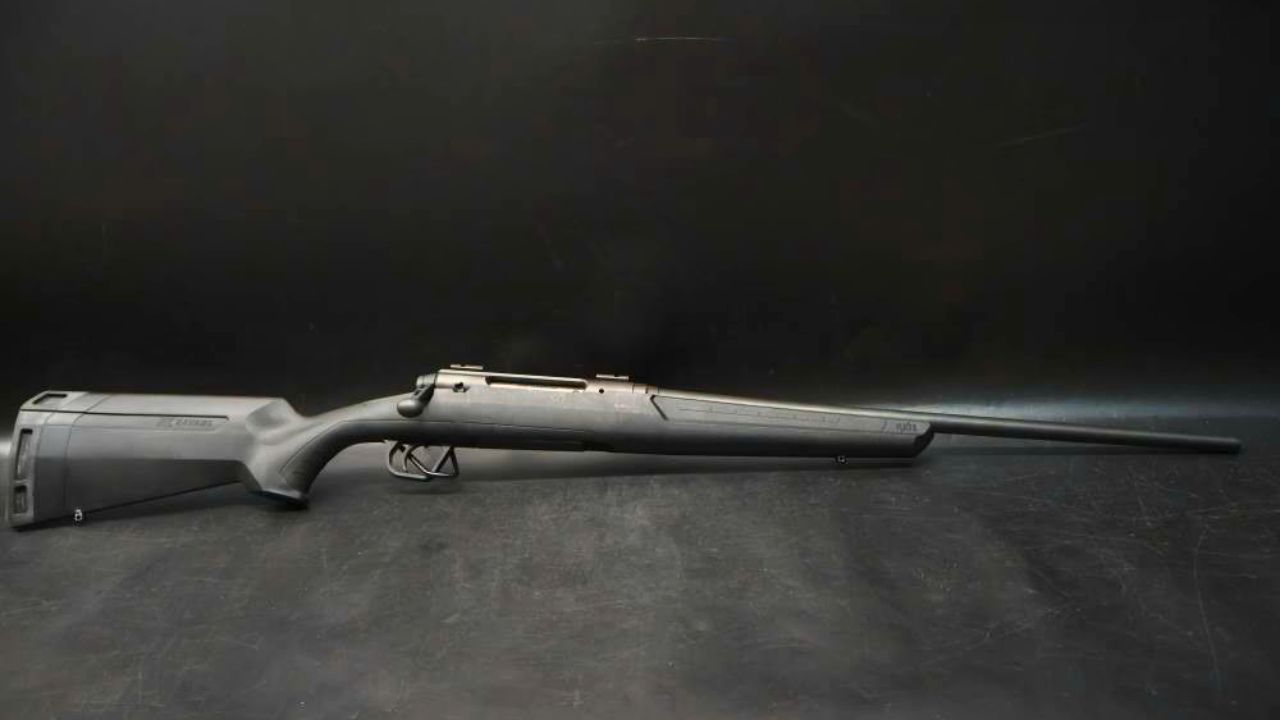
Rifles That Miss for Reasons No Shooter Can Fix
Every hunter has missed a shot and blamed themselves. That’s part of the game. But some rifles create misses no amount of practice can solve. You can control breathing, break the trigger clean, and hold steady, yet the bullet still lands somewhere it shouldn’t. These rifles don’t miss because of bad fundamentals. They miss because of design flaws, manufacturing shortcuts, or components that refuse to stay consistent once conditions change.
The most frustrating part is how subtle the problems can be. The rifle may shoot fine one day, then scatter shots the next without warning. You chase scope issues, swap ammo, re-zero repeatedly, and question your skills, when the real problem lives inside the rifle. These are the guns that make good shooters doubt themselves.
Remington 742 Woodsmaster
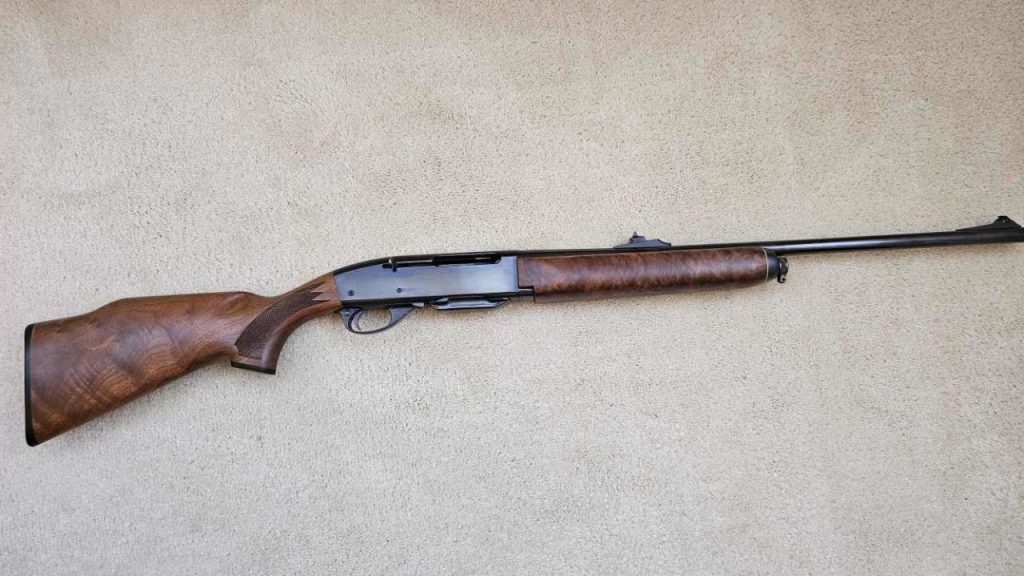
The 742 often shoots acceptably early in its life, which is why so many hunters defend it. Over time, the action rails wear unevenly, causing inconsistent bolt lockup. That changes how the rifle returns to battery shot after shot, and accuracy suffers in ways no shooter can correct.
Once that wear sets in, groups open unpredictably. You may see one tight cluster followed by unexplained fliers. Cleaning doesn’t fix it. New ammo doesn’t fix it. The internal wear is permanent, and the rifle slowly becomes less predictable with every round fired.
Ruger Mini-14 (Early Pencil-Barrel Models)
Early Mini-14s suffer from thin barrels that heat rapidly and flex under recoil. The first shot often lands where you expect, but follow-up shots drift as the barrel warms. That shift happens regardless of your shooting form or trigger control.
You can slow your cadence and let the rifle cool, but hunting situations don’t always allow that. The barrel design simply doesn’t maintain consistent harmonics. No adjustment at the bench changes that reality, and the rifle keeps spreading shots as conditions change.
Savage Axis (Factory Stock Issues)
The Axis action is capable, but the factory stock undermines it. The fore-end flexes easily under sling pressure or when shooting from sticks. That flex changes barrel contact, shifting point of impact without warning.
You can shoot perfectly and still miss because the rifle itself moves differently every time it’s supported. Unless the stock is replaced or stiffened, there’s nothing a shooter can do to eliminate the inconsistency. The rifle misses because the platform won’t stay stable.
Winchester Model 94 (Worn Rifles)
Older Model 94s often miss for reasons unrelated to shooter ability. Decades of use loosen screws, wear locking surfaces, and open tolerances. That affects barrel alignment and sight consistency.
Even with careful sight alignment, the rifle may not return to the same mechanical position shot to shot. You can do everything right and still watch bullets drift. The issue isn’t eyesight or trigger pull—it’s accumulated wear that no technique can overcome.
Remington Model 710
The 710’s pressed-in barrel and plastic components create long-term accuracy problems. As the action wears, lockup consistency suffers. Shots land unpredictably even when conditions remain constant.
You can’t bed it properly. You can’t tighten tolerances. Once the rifle starts drifting, it stays that way. Shooters often blame themselves until they test another rifle and immediately shoot better. The miss wasn’t theirs.
Mossberg 4×4
The Mossberg 4×4 often looks solid but suffers from bedding and barrel inconsistencies. As temperatures change, materials expand and contract unevenly, shifting impact points without warning.
You may see good groups one day and wide patterns the next with identical ammo and conditions. That inconsistency isn’t shooter-induced. It’s built into the platform, and no amount of concentration fixes a rifle that won’t settle into repeatable behavior.
Marlin X7
The X7 earned praise early, but some rifles develop throat erosion faster than expected. As erosion progresses, bullet jump changes, and accuracy fades unevenly.
You may still shoot tight groups occasionally, which makes the misses more confusing. The rifle hasn’t failed completely—it’s become unpredictable. That partial degradation is harder to diagnose and impossible to shoot around.
Browning BAR (Older Models)
Older BAR rifles rely on gas systems that change behavior as fouling builds. Slight variations in cycling alter recoil impulse and how the rifle settles between shots.
Even if your fundamentals stay perfect, the rifle behaves differently from one round to the next. Groups slowly open, and the shooter takes the blame. In reality, internal changes create misses you can’t correct at the shoulder.
Thompson/Center Venture (Early Production)
Some early Ventures left the factory with inconsistent rifling quality. Those barrels shoot well initially, then begin throwing unexplained fliers as wear accumulates.
No scope adjustment fixes it. No cleaning brings accuracy back. The barrel simply doesn’t stabilize bullets the same way anymore. You can hold steady and still miss because the projectile never flew true to begin with.
Ruger American (Early Synthetic Stocks)
Early Ruger American stocks flex more than expected. Changes in shooting position introduce pressure points that shift barrel alignment.
That means your point of impact moves depending on how you’re supported. Prone, sitting, or kneeling all produce different results. The rifle creates misses even when your fundamentals stay consistent.
CVA Hunter (Heavy Caliber Versions)
In heavier calibers, repeated recoil loosens the break-action lockup over time. That micro-movement alters barrel alignment shot to shot.
You won’t feel it when firing, but the bullet knows. Once looseness develops, accuracy fades permanently. There’s no shooter adjustment that fixes mechanical play.
Weatherby Vanguard (Stock Contact Issues)
Some Vanguard rifles suffer from uneven barrel channel contact once humidity or temperature changes. The barrel presses against the stock intermittently, altering harmonics.
You can zero perfectly and still miss days later without touching the scope. The rifle hasn’t moved—the stock has. Until the stock is corrected, misses continue regardless of shooter skill.

Leo’s been tracking game and tuning gear since he could stand upright. He’s sharp, driven, and knows how to keep things running when conditions turn.


