The habits seasoned hunters develop without realizing it
After enough seasons, hunting stops feeling like a checklist and starts running on instinct. You still plan and prepare, but a lot of what you do happens without conscious thought. These habits aren’t learned from manuals or gear reviews. They come from missed chances, cold mornings, long drags, and animals that didn’t do what you expected. Experienced hunters don’t always notice these patterns until they hunt with someone new and realize how much they’re doing automatically. These quiet habits shape how you move, watch, wait, and decide. They don’t make headlines, but they’re often the difference between filling a tag and eating it again.
You Slow Down Without Thinking About It
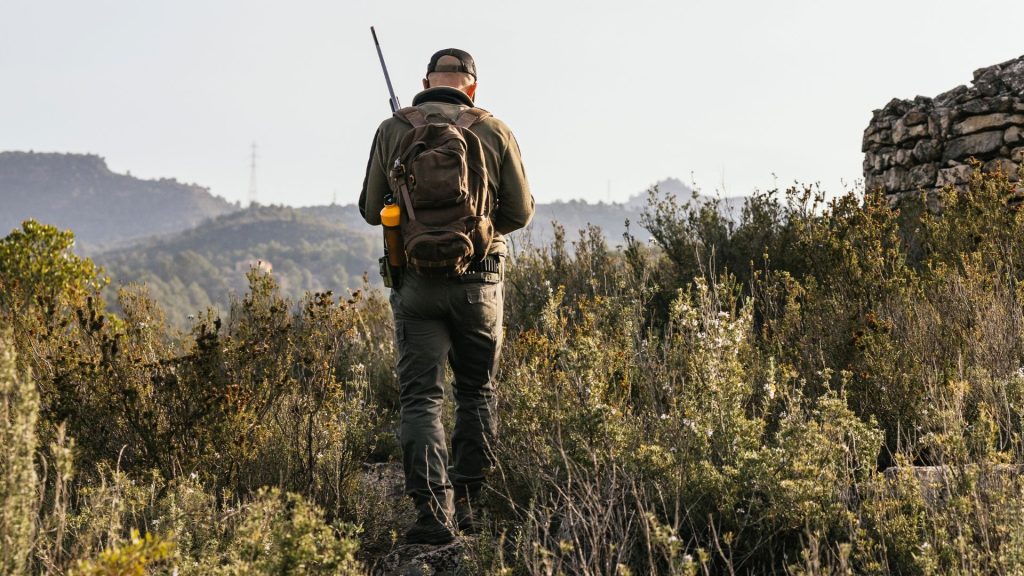
At some point, you stop rushing through the woods. Not because someone told you to, but because moving fast stopped paying off. Your pace naturally settles into something steady, almost cautious, even when time isn’t tight.
You pause longer at edges, take fewer steps before stopping, and give your eyes time to catch movement. This isn’t deliberate anymore. Your body remembers how often animals appeared after you stopped moving. You still cover ground, but it’s measured. New hunters often feel like they’re standing still too long. You don’t. You’ve learned that patience quietly stacks odds in your favor.
You Start Reading Wind Like a Background Noise
You don’t check the wind once and forget it. You feel it on your face, notice how it shifts in hollows, and sense when it starts doing something new. This awareness runs quietly in the background.
Without stopping, you angle your approach, favor one side of a trail, or abandon a plan altogether. You don’t announce the decision. You just adjust. Years of busted stalks and blown setups trained you to respect moving air. Now it’s automatic, like checking mirrors while driving. You don’t always talk about it, but you’re always accounting for it.
You Glass Even When There’s Nothing to See
Seasoned hunters glass out of habit, not optimism. You lift binoculars over empty hillsides, timber edges, and brushy draws where nothing “should” be standing.
This comes from learning how often animals hide in plain sight. A flicker of an ear, a horizontal line, or a patch of color that doesn’t belong. You don’t rush the scan. You methodically work through the same terrain others walk past. Over time, your eyes learned patience. Now, glassing feels as natural as walking, even when it doesn’t immediately reward you.
You Trust First Impressions More Than Second Guesses
When something feels off, you listen to it. A track that doesn’t look right. A stand location that suddenly feels wrong. A shot that doesn’t feel clean.
Experience teaches you that hesitation often carries information. You’ve learned that talking yourself into something usually leads to regret. You still think things through, but you give weight to that initial reaction. It’s built from thousands of small outcomes. You don’t dramatize it. You simply adjust course and move on, confident that paying attention beats forcing a decision.
You Pay Attention to Exit Routes Automatically
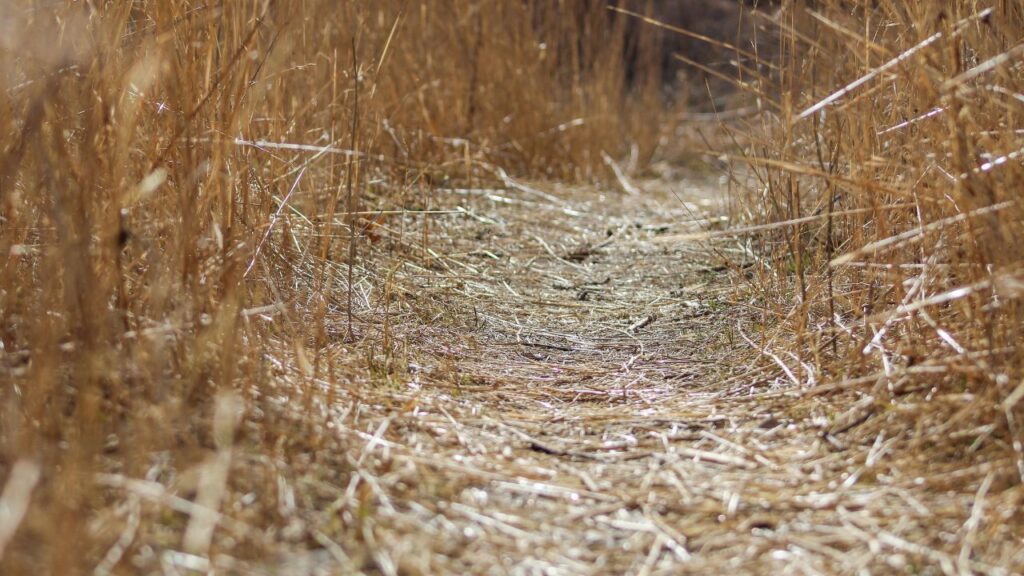
You don’t only focus on where animals might appear. Your eyes drift to where they’ll go when pressured. Fence gaps, timber fingers, low saddles, and escape cover catch your attention without effort.
This habit forms after watching animals leave just out of range too many times. Now, when you set up, you’re already imagining movement patterns. You position yourself accordingly, even if you can’t explain why in the moment. It’s not prediction. It’s recognition. You’ve seen this movie before, and you remember how it usually ends.
You Prep Gear With Fewer Movements
Your pack gets quieter. You arrange things so you don’t dig, fumble, or shift weight unnecessarily. This happens slowly over seasons, not overnight.
You learned which items matter and which ones don’t. Everything has a place because you got tired of noise at the wrong time. Even when you’re tired or rushed, your hands find what they need. You don’t think about efficiency anymore. It’s baked into how you move. New hunters often bring more. You bring less, but it works better.
You Stop Forcing Shots That Feel Wrong
Experience teaches restraint more than confidence. You’ve passed shots you could’ve taken years ago. Not because you can’t make them, but because you don’t like the setup.
Angle, movement, distance, or timing feels off, and you let it go. There’s no drama in it. You’ve seen what happens when you force a moment that isn’t there. Now, waiting feels easier than explaining a bad outcome. This habit doesn’t make you passive. It makes you selective, and that selectiveness comes from memory, not theory.
You Watch Animals Longer Than Necessary
When you spot game, you don’t rush the encounter. You let it play out, observing behavior, direction, and pace before committing.
This comes from learning how often animals change plans. What looks like a feeding pattern might become a bedding move. What seems calm might turn alert. You’ve learned that watching longer often reveals more than acting quickly. You still move when the time is right, but you give situations room to develop. Patience here isn’t discipline. It’s habit.
You Notice Small Sign Others Miss

Bent grass, a turned leaf, a scuffed rock. These details start standing out even when you’re not actively looking for them.
Your eyes learned what belongs and what doesn’t. You don’t stop to analyze every mark. You simply register it and file it away. This awareness builds quietly over time. New hunters often need confirmation. You don’t. You’ve learned which signs matter through repetition, not instruction, and now they speak to you without much effort.
You Manage Expectations Better
You don’t assume every hunt ends with success. You prepare for long sits, empty walks, and slow days without frustration.
This doesn’t mean you lack drive. It means you understand how hunting really works. Pressure, weather, timing, and luck all play roles. You show up ready, but you don’t demand results. That mindset keeps you sharp instead of rushed. Over time, this emotional balance becomes automatic, and it makes you more effective than any piece of gear.
You Recover Faster From Mistakes
Missed opportunities don’t spiral the way they used to. You acknowledge them, adjust, and keep hunting.
Experience teaches that dwelling doesn’t fix anything. You’ve seen how one mistake can snowball if you let it. Now, you reset quickly. You refocus on conditions, not frustration. This habit protects your decision-making and keeps you present. It’s built from learning that the next chance often comes sooner when you don’t drag the last one with you.
You Leave the Woods Quieter Than You Found Them
At the end of the day, you move out carefully. You don’t slam doors, shout across ridges, or rush the exit.
This comes from understanding that tomorrow matters too. You respect the area, the animals, and the patterns you’ve been watching all season. Even when the hunt’s over, you act like it isn’t. That awareness doesn’t turn off. It follows you back to the truck, shaped by years of knowing how easily things change when you’re careless at the wrong moment.

Asher was raised in the woods and on the water, and it shows. He’s logged more hours behind a rifle and under a heavy pack than most men twice his age.