Handguns that recoil more than they should
Recoil is part of shooting, but some handguns amplify it in ways that don’t make sense for their size or caliber. Poor weight balance, high bore axis, short grips, and stiff recoil springs can turn an otherwise manageable round into something that feels sharp and disruptive. When recoil works against you, follow-up shots slow down, accuracy suffers, and practice becomes work instead of progress. Experienced shooters notice it immediately, especially when similar pistols in the same caliber behave far better. These are handguns that, for one reason or another, kick harder than their specs suggest and demand more effort than they should.
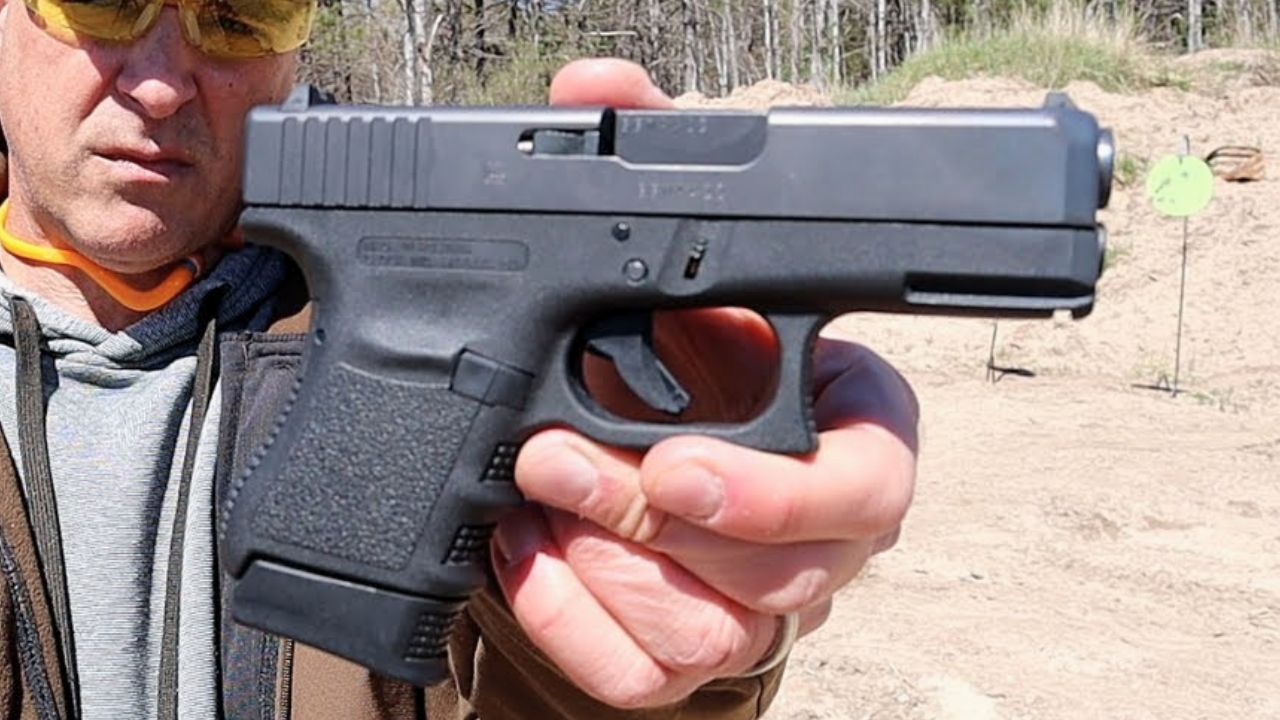
Glock 27 (.40 S&W)
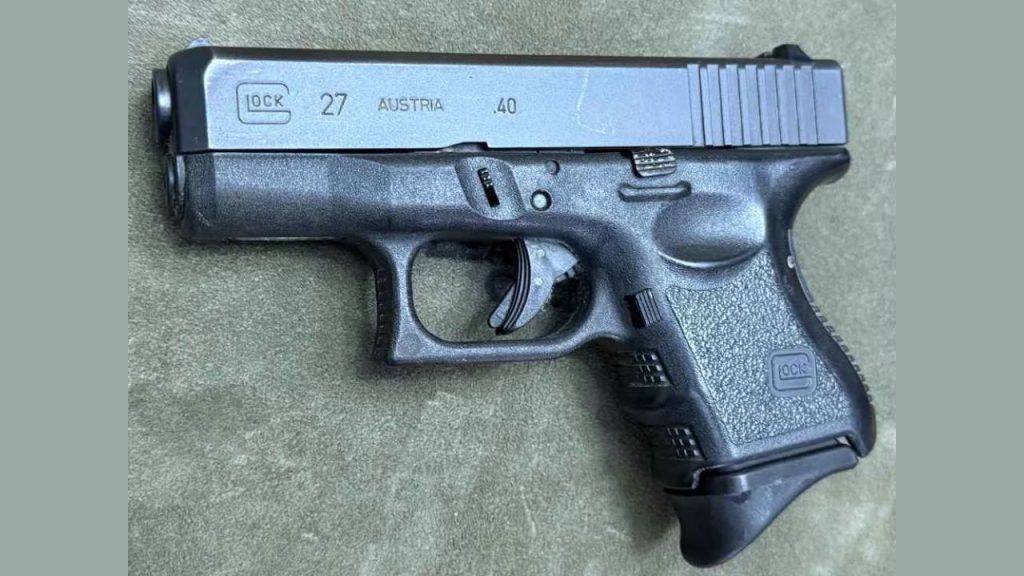
The Glock 27 packs .40 S&W into a subcompact frame, and that combination is where problems start. The short grip gives your support hand very little leverage, and the snappy recoil impulse of .40 becomes abrupt and vertical.
Even with solid fundamentals, the gun jumps more than expected, especially during fast strings. The polymer frame doesn’t add much mass to soak up energy, and the slide speed feels aggressive. You can shoot it well with practice, but it takes more concentration than larger .40 pistols, which makes the recoil feel unnecessary rather than manageable.
Springfield XD-S .45 ACP
A slim, lightweight pistol chambered in .45 ACP is always going to be lively, but the XD-S pushes that further. The narrow grip concentrates recoil straight into your palm, and the short slide cycles fast.
Good shooters often find the recoil sharp instead of rolling. Muzzle rise interrupts sight tracking, and the grip safety can exaggerate hand pressure issues under recoil. It’s controllable, but it demands more effort than heavier single-stack .45s, making each shot feel more abrupt than the cartridge alone would suggest.
Smith & Wesson M&P 340PD
The M&P 340PD is extremely light, and that’s the whole issue. Firing .357 Magnum from a scandium-framed revolver delivers recoil that borders on punishing.
Even experienced revolver shooters notice how violently the gun snaps upward. The narrow grip and short barrel offer little help, and recoil transfers directly into the web of your hand. Follow-up shots slow dramatically, and extended practice becomes unpleasant. The recoil far outweighs the practical shootability benefits for most shooters.
Ruger LCR .357 Magnum
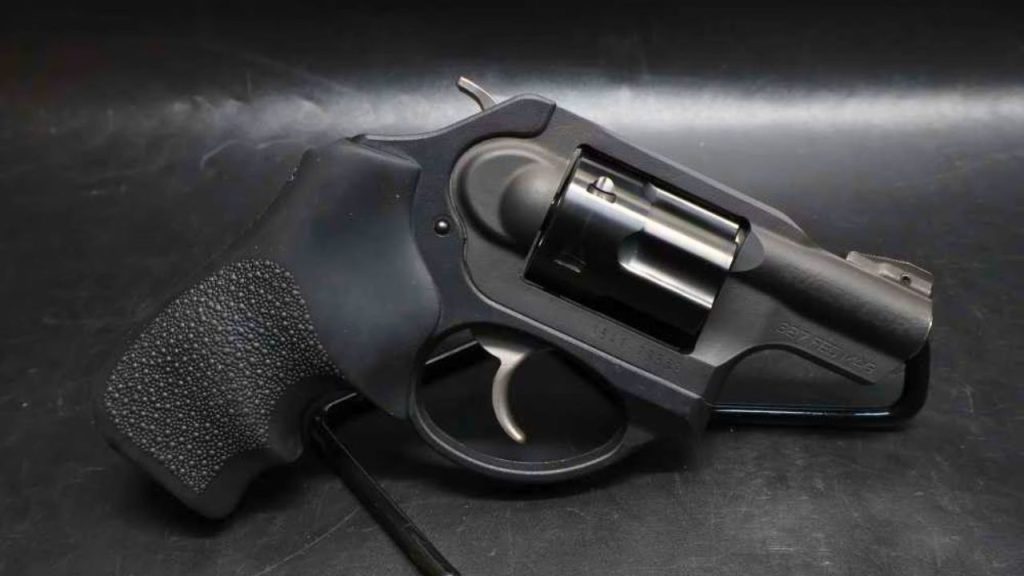
The Ruger LCR does a lot right, but chambering it in .357 Magnum pushes the platform hard. The polymer frame flexes slightly, but it doesn’t reduce the sharp recoil impulse much.
Trigger control stays manageable, but muzzle flip and palm slap are pronounced. Even with .38 +P, recoil feels brisk for the size. With full-power magnums, the gun becomes difficult to control consistently, turning a defensive revolver into something that feels more punishing than productive.
Glock 29 (10mm Auto)
The Glock 29 delivers full-power 10mm in a compact package, and recoil comes fast and hard. The grip is thick but short, which limits how much control you can apply.
Even shooters comfortable with 10mm in full-size pistols notice the difference immediately. The slide mass and recoil spring setup create a sharp snap rather than a smooth push. Fast follow-up shots take real effort, and the recoil feels out of proportion compared to larger 10mm handguns.
SIG Sauer P365 .380
The .380 version of the P365 surprises many shooters. Despite the lighter caliber, the small frame and light slide produce a snappy recoil impulse.
Grip area is limited, and the high slide velocity makes the gun feel jumpy during rapid fire. You expect a softer experience from .380 ACP, but the compact dimensions work against you. Compared to slightly larger .380 pistols, recoil feels sharper than it should.
Kimber Ultra Carry II (.45 ACP)
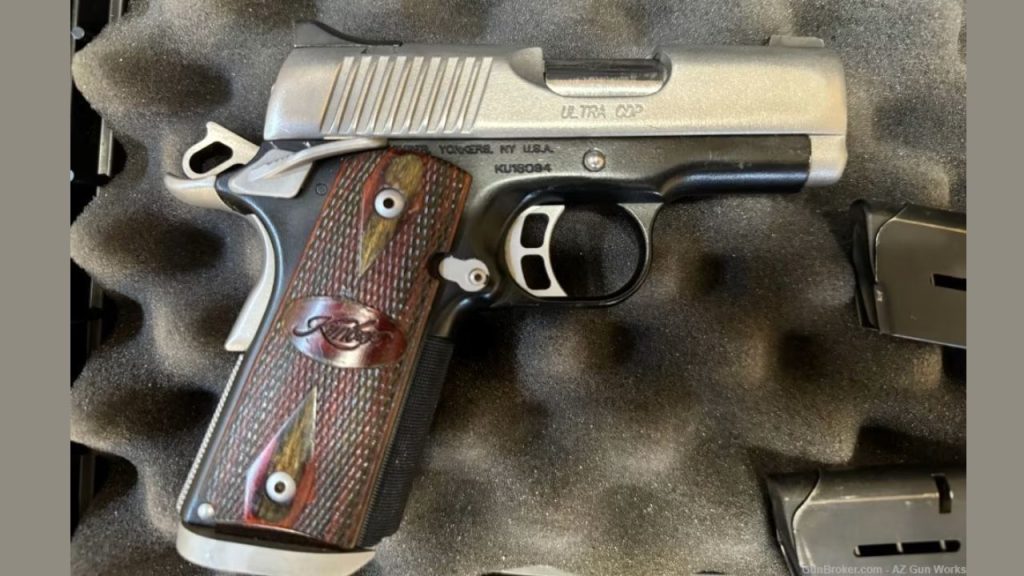
Short-barreled 1911s already demand compromises, and the Ultra Carry II shows it. The reduced slide travel and lighter weight increase perceived recoil.
Even with good technique, the gun snaps sharply upward. The aluminum frame transmits recoil more directly, and timing can feel abrupt. While accuracy is there, recoil management takes more focus than with a full-size 1911, making the experience feel harsher than the cartridge normally delivers.
Kel-Tec PF-9
The PF-9 is thin and light, but that comes at a cost. In 9mm, recoil feels sharp and unforgiving, especially during extended strings.
The grip offers minimal surface area, and the frame doesn’t provide much mass to counter slide movement. Even experienced shooters find the recoil disruptive. Follow-up shots require extra effort, and the gun’s behavior feels more aggressive than many other single-stack 9mm pistols.
Smith & Wesson Shield .40
The Shield in .40 S&W is compact and reliable, but recoil stands out immediately. The narrow grip and lighter frame magnify the cartridge’s snap.
Good shooters can manage it, but it takes constant focus. Muzzle rise is pronounced, and the recoil impulse feels abrupt rather than controlled. Compared to the 9mm Shield, the .40 version feels unnecessarily demanding for the size and role of the pistol.
Taurus Judge (Magnum Loads)
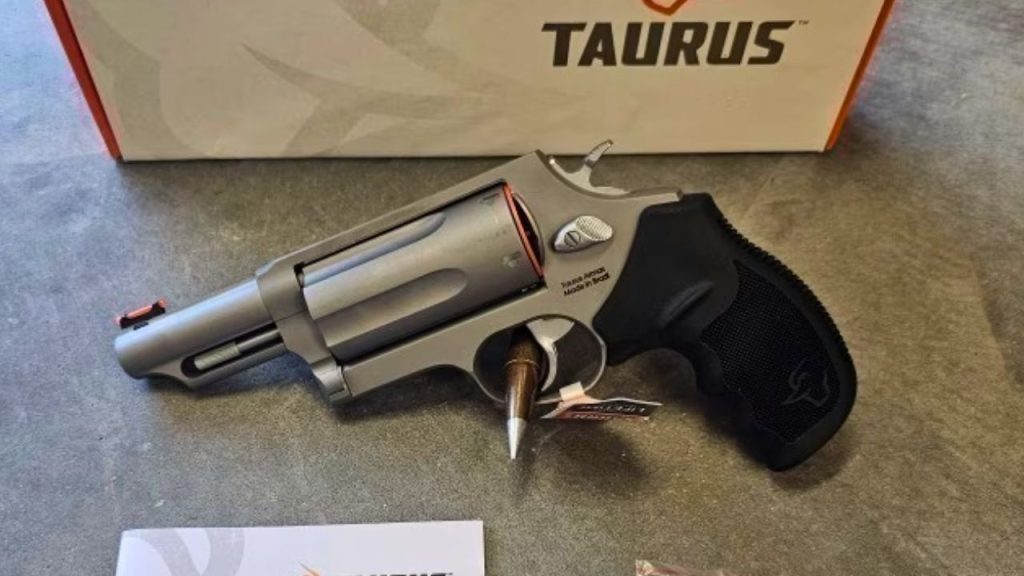
When firing .410 defensive loads or .45 Colt from the Judge, recoil can be surprising. The revolver’s grip and bore axis don’t help distribute energy evenly.
Heavy loads produce a sharp upward flip, and the trigger reach makes consistent control harder. Accuracy suffers as recoil disrupts timing. The recoil feels mismatched to the platform, especially when compared to traditional revolvers firing similar cartridges.
Glock 36 (.45 ACP)
The Glock 36 is slim for a .45, but that slimness increases felt recoil. The single-stack grip offers less surface area, and the lighter slide cycles quickly.
Even experienced shooters notice how snappy it feels compared to larger Glock .45s. Muzzle rise is sharper, and maintaining fast follow-up shots takes extra effort. The recoil doesn’t feel balanced for the cartridge, especially given the gun’s intended defensive role.
Walther CCP (9mm)
The CCP uses a gas-delayed system that sounds promising, but in practice recoil feels odd. The impulse is sharp and slightly delayed, which throws off timing.
Shooters accustomed to standard recoil systems often struggle to track sights consistently. While not painful, the recoil feels less predictable than other 9mm pistols of similar size. That unpredictability makes it feel like the gun kicks more than it should, even when numbers suggest otherwise.

Asher was raised in the woods and on the water, and it shows. He’s logged more hours behind a rifle and under a heavy pack than most men twice his age.