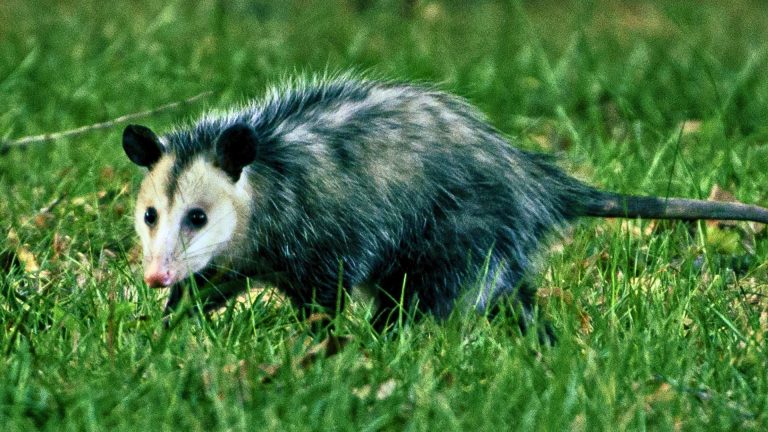
The most practical calibers for predator control
Predator control isn’t about chasing trends or running the fastest round you can buy. It’s about cartridges that let you see your hits, manage recoil, shoot accurately from awkward positions, and stay effective across a wide range of distances. Coyotes don’t always give you a perfect setup, and bobcats rarely stand still long enough to admire your ballistics chart. The best calibers for predator work are predictable, affordable to practice with, and versatile enough to handle real field conditions. These are the rounds that experienced hunters keep coming back to because they do the job cleanly without complicating things.
.223 Remington
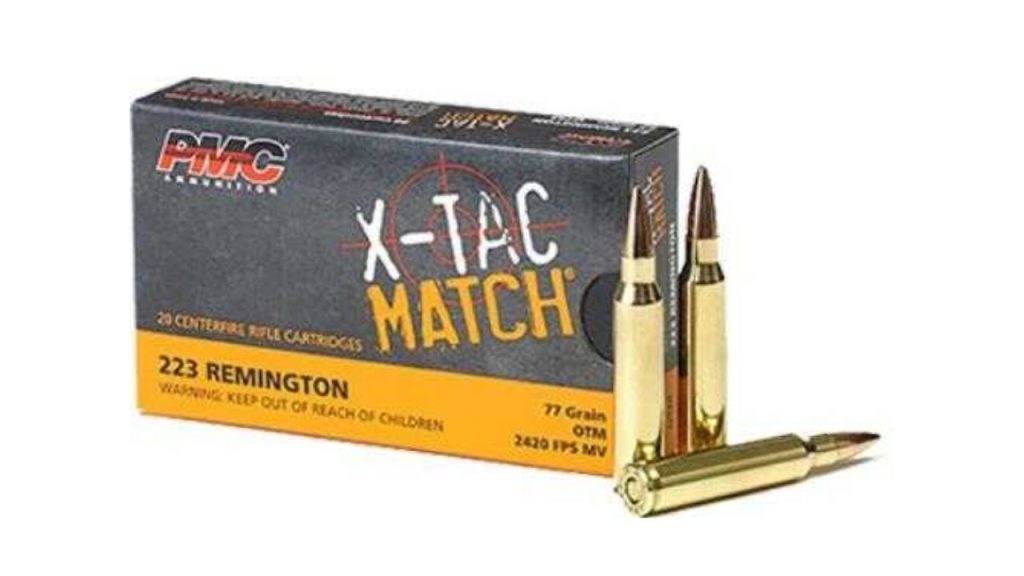
The .223 Remington has earned its place as the standard predator cartridge for good reason. You get manageable recoil, good barrel life, and plenty of bullet options that perform well on coyotes without excessive damage. It’s easy to stay on target through the shot, which matters when you’re calling alone and need to watch for a second animal.
Ammo availability is another advantage. You can practice often without worrying about cost, and most rifles shoot it well with minimal tuning. It handles wind reasonably, reaches farther than many expect, and works equally well from a bolt gun or a lightweight semi-auto.
.22-250 Remington
The .22-250 Remington is what you reach for when longer shots are common and wind is part of the day. It carries velocity well, shoots flat, and gives you extra reach without stepping into heavier recoil or larger rifles. That matters when coyotes hang up at distance.
You’ll notice the difference past 300 yards, where the cartridge still feels predictable. It does burn barrels faster than slower rounds, but most predator hunters aren’t putting thousands of rounds through one rifle every season. When open country is the norm, the .22-250 makes sense.
.204 Ruger
The .204 Ruger shines when you want speed with minimal recoil. Watching your hits through the scope is easy, and follow-up shots come quickly. It’s especially useful for daytime calling or spot-and-stalk situations where visibility matters.
Wind drift can show up sooner than with heavier bullets, but inside practical predator distances, it’s manageable. Pelt damage tends to be reasonable with the right bullets, which trappers and fur hunters appreciate. It’s a cartridge that rewards good shot discipline and calm shooting.
.243 Winchester
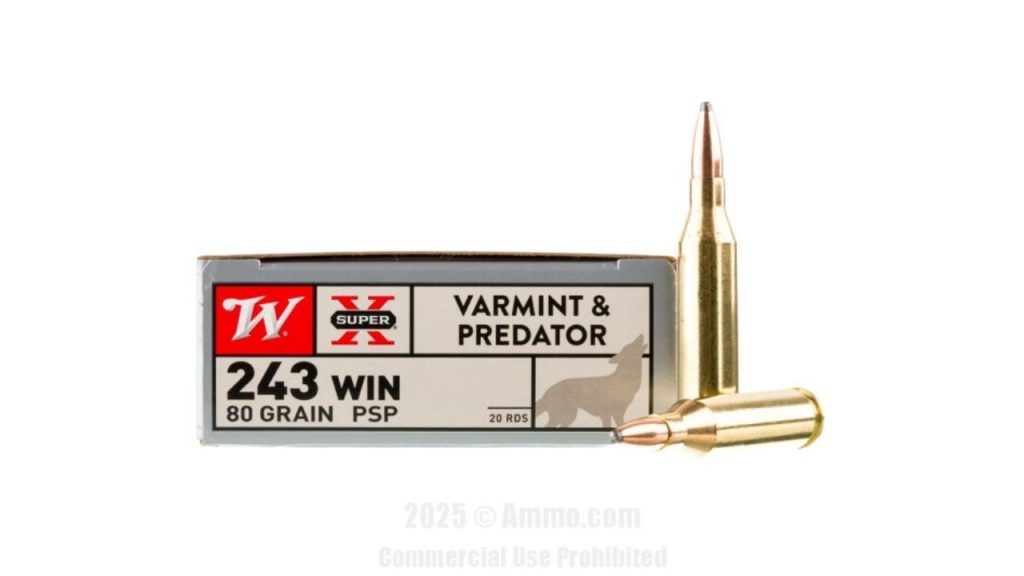
The .243 Winchester pulls double duty better than most predator calibers. It handles coyotes cleanly while giving you enough flexibility to hunt deer in the same rifle. That versatility is hard to ignore if you don’t want a safe full of specialized guns.
Recoil is still mild, accuracy is easy to find, and bullet selection lets you tailor performance. It’s more cartridge than you need for fox or bobcat, but when coyotes are big, tough, or caught in heavy wind, the .243 delivers confidence without punishing the shooter.
.22 Hornet
The .22 Hornet remains relevant for close-range predator work, especially around farms or tighter cover. It’s quiet, efficient, and easy on pelts when shots stay reasonable.
You’re not stretching distances with it, but that’s not always the goal. For calling setups where shots are inside 150 yards, the Hornet feels controlled and deliberate. It rewards patience and precise shooting, which fits well with careful predator management in populated areas.
.17 Remington
The .17 Remington demands discipline, but it delivers precision. When conditions are calm, it puts bullets exactly where you send them. Recoil is almost nonexistent, and accuracy can be outstanding.
Wind becomes the limiting factor, not terminal performance. It’s a cartridge for hunters who pick their days and understand when to pass a shot. In return, you get minimal pelt damage and a shooting experience that feels surgical rather than forceful.
.224 Valkyrie
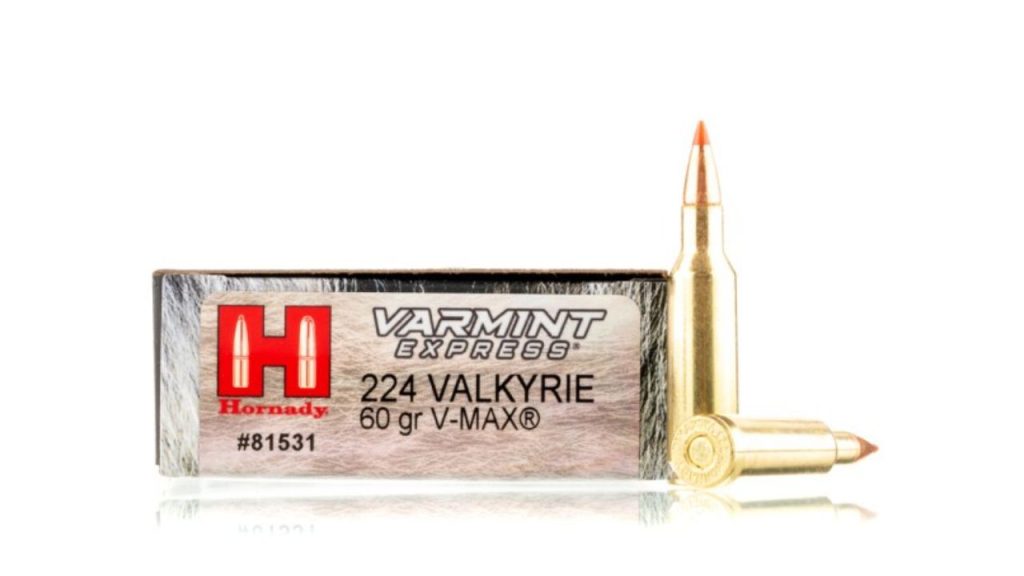
The .224 Valkyrie offers strong performance in modern rifle platforms while maintaining manageable recoil. It holds velocity well and stretches farther than traditional .223 loads when set up correctly.
For predator hunters who favor semi-autos or suppressed rifles, it fits naturally. Ammo availability isn’t as broad yet, but the cartridge has proven capable in open terrain. It works best when you appreciate consistency over raw speed.
.220 Swift
The .220 Swift has been around long enough to prove itself. It’s fast, flat, and effective at longer ranges where coyotes often feel safe. When the wind is manageable, it’s easy to see why some hunters still swear by it.
Barrel life and muzzle blast are the trade-offs. You’ll feel and hear every shot, and maintenance matters. Still, for wide-open country and deliberate shooting, it remains a serious predator cartridge.
.223 Wylde
The .223 Wylde gives you flexibility without forcing compromises. It handles both .223 Remington and 5.56 NATO safely, which simplifies ammo choices and practice.
Accuracy is solid, recoil stays mild, and it performs exactly how you expect in predator scenarios. It doesn’t offer anything flashy, but it doesn’t need to. It’s a practical option for hunters who value consistency and compatibility.
.222 Remington
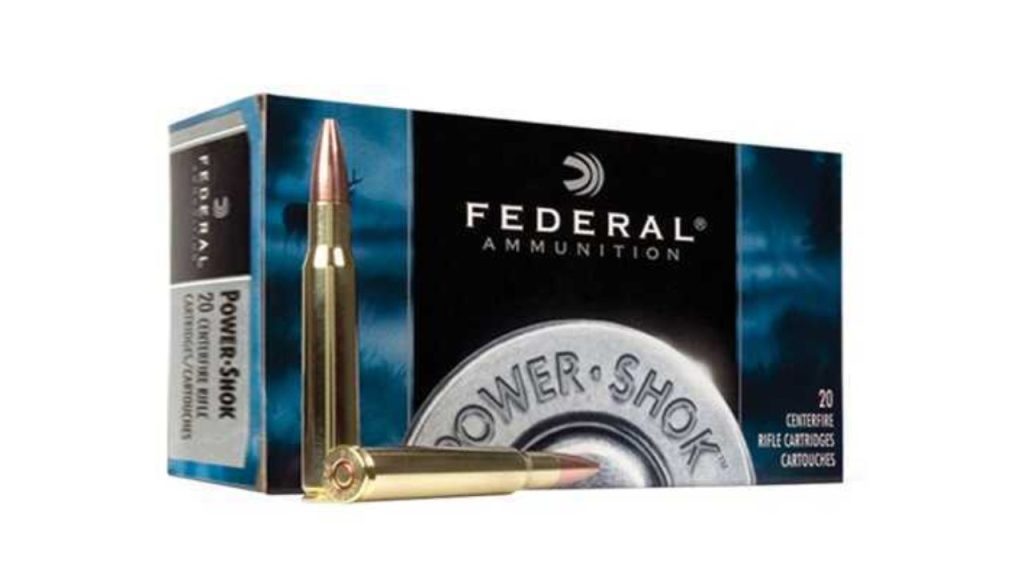
The .222 Remington is still respected for its accuracy and efficiency. It doesn’t push bullets fast, but it delivers consistent results within its comfort zone.
Many older rifles chambered in .222 still shoot extremely well. For predator control where shots are thoughtful and distances reasonable, it remains relevant. It’s proof that practical doesn’t always mean modern.
.25-45 Sharps
The .25-45 Sharps offers heavier bullets in a familiar platform. It hits harder than .223 while staying controllable, which can matter on larger predators or poor-angle shots.
You give up some reach and trajectory, but gain authority on impact. For hunters who want something different without changing rifles entirely, it’s a workable option when used within its limits.

Asher was raised in the woods and on the water, and it shows. He’s logged more hours behind a rifle and under a heavy pack than most men twice his age.