
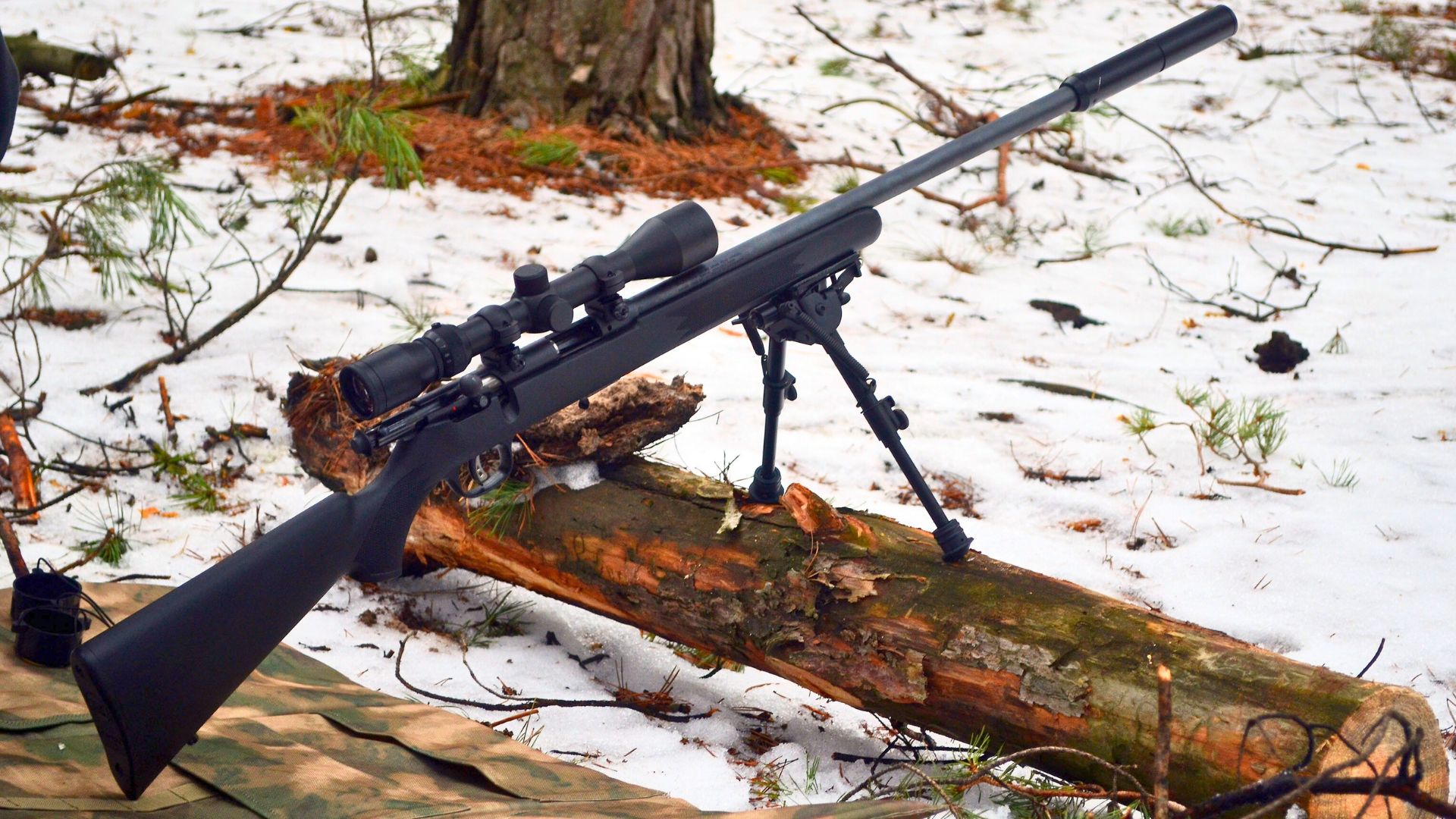
Rifles that demand perfect conditions to perform
Some rifles look outstanding on the bench and photograph well on a calm range day. Then the wind kicks up, the temperature drops, or you find yourself shooting off an awkward rest, and the cracks show. These are rifles that can shoot well, sometimes extremely well, but only when everything lines up. They reward patience and punish real-world conditions.
If you hunt or shoot outside controlled environments, you already know that conditions are rarely ideal. Rifles that need perfect ammo, perfect weather, and perfect form can wear on your confidence fast. Below are rifles with reputations for accuracy that often come with fine print once you leave the range.
Ruger Precision Rifle
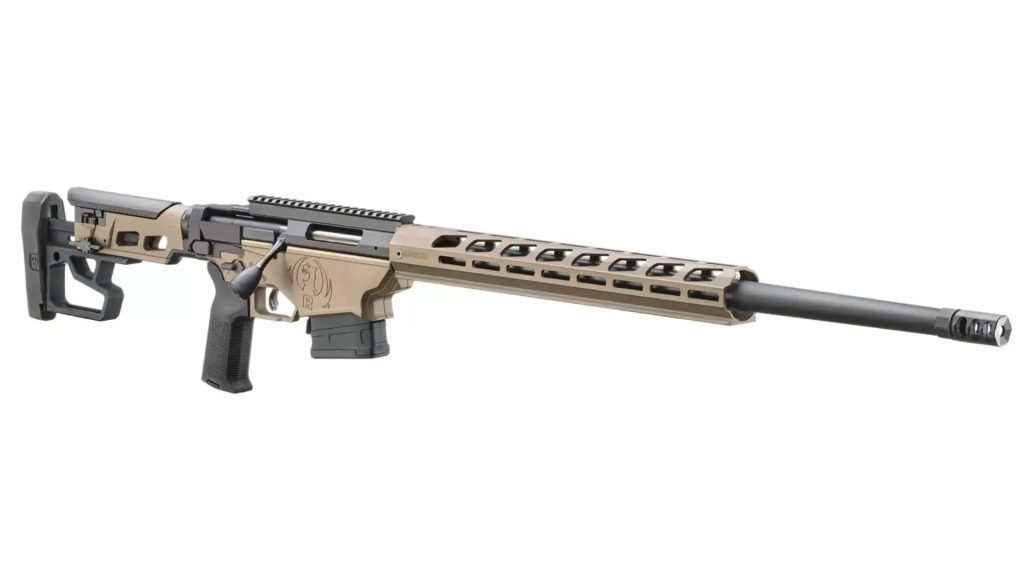
The Ruger Precision Rifle can shoot tight groups when conditions are calm and the shooter is settled in. On a bench with good ammo, it behaves. Once you introduce wind, uneven terrain, or positional shooting, its weight and balance start working against you.
You’ll notice how sensitive it is to shooter input. Minor position changes can shift point of impact, and recoil management requires attention every shot. It performs best when nothing changes. In real field conditions, it asks more from you than many expect, especially if you’re moving or shooting from improvised positions.
Remington 700 SPS
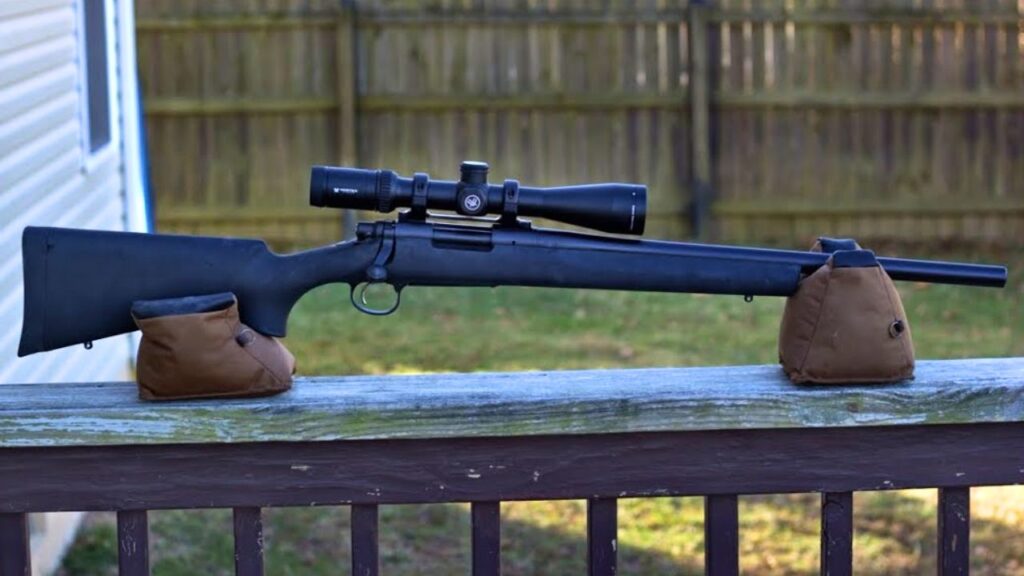
The Remington 700 SPS has long been associated with accuracy, but it often depends heavily on conditions. Factory stocks flex more than they should, which becomes obvious when using bipods or shooting off natural rests.
On calm days with a solid bench, it can group well. Add pressure to the fore-end or deal with uneven ground, and groups open quickly. Temperature swings can also expose bedding weaknesses. The rifle isn’t unusable, but it wants controlled support and consistent setup to show its better side.
Savage 110 Tactical
Savage 110 Tactical rifles are capable, but they tend to be picky. They prefer specific ammo weights and consistent environmental conditions. When those change, so does performance.
The AccuTrigger helps, but the factory stock can transmit pressure in ways that affect accuracy. Wind and temperature shifts seem to magnify these issues. You’ll often find yourself chasing groups that were tight the day before. It performs well when everything stays steady, but real-world variability exposes its sensitivity.
Christensen Arms Ridgeline
The Ridgeline carries expectations tied to lightweight design and accuracy. In ideal conditions, it can deliver. When things get less predictable, barrel heating and stock interaction start to show.
Lightweight rifles magnify shooter error, and this one is no exception. Wind calls matter more, and follow-up shots demand careful pacing. In mountain terrain or variable weather, consistency can fade. It performs best when you slow down, manage heat, and keep conditions controlled.
Bergara B-14 HMR
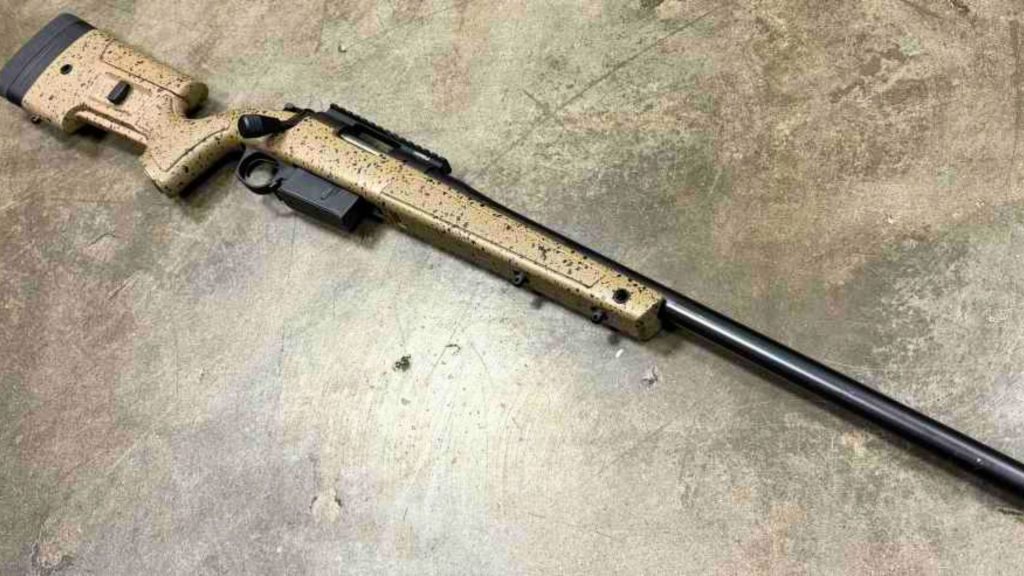
The Bergara B-14 HMR is often praised for precision, but it prefers stability. Shooting from solid rests, it behaves well. Offhand or improvised positions tell a different story.
Its weight helps on the bench but becomes less forgiving when you’re adjusting position. Wind and shooter fatigue play a larger role than expected. The rifle can shoot, but it wants predictable conditions and deliberate pacing. Push it outside that comfort zone, and performance can become inconsistent.
Tikka T3x Lite
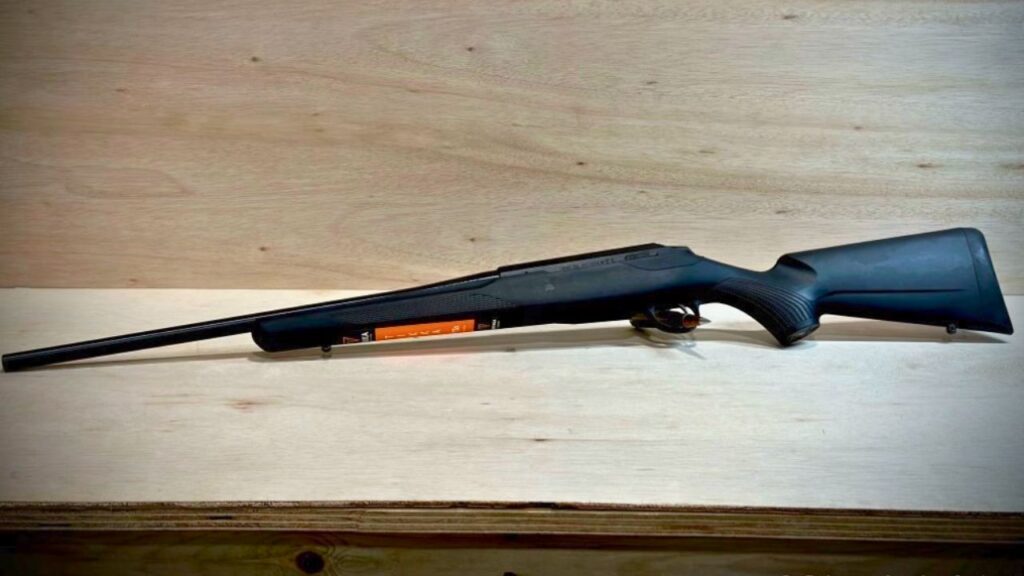
The Tikka T3x Lite is accurate, but its light weight comes with trade-offs. In calm weather, it’s easy to shoot well. Add wind or uneven footing, and every small movement shows up on target.
Recoil feels sharper than heavier rifles, which affects follow-up shots. Temperature changes can also influence point of impact more than expected. It rewards careful form and controlled shooting. When conditions turn rough, it demands more concentration than many hunters anticipate.
Weatherby Vanguard Series 2
The Vanguard Series 2 is capable under the right circumstances. It likes consistent ammo, solid rests, and steady weather. When those change, accuracy can drift.
The factory stock and trigger are serviceable but not forgiving. Wind and pressure on the stock can alter results. It’s a rifle that behaves when treated carefully but doesn’t mask mistakes. Field conditions expose its need for consistency in setup and shooting technique.
Browning X-Bolt Pro
The X-Bolt Pro is light and well-finished, but that lightness shows in tough conditions. Calm days highlight its accuracy. Windy days expose how sensitive it is to shooter input.
Recoil management requires discipline, and barrel heating can shift groups faster than expected. In the field, it asks you to slow down and be precise. It performs best when conditions cooperate and your shooting position is locked in.
Sig Sauer Cross
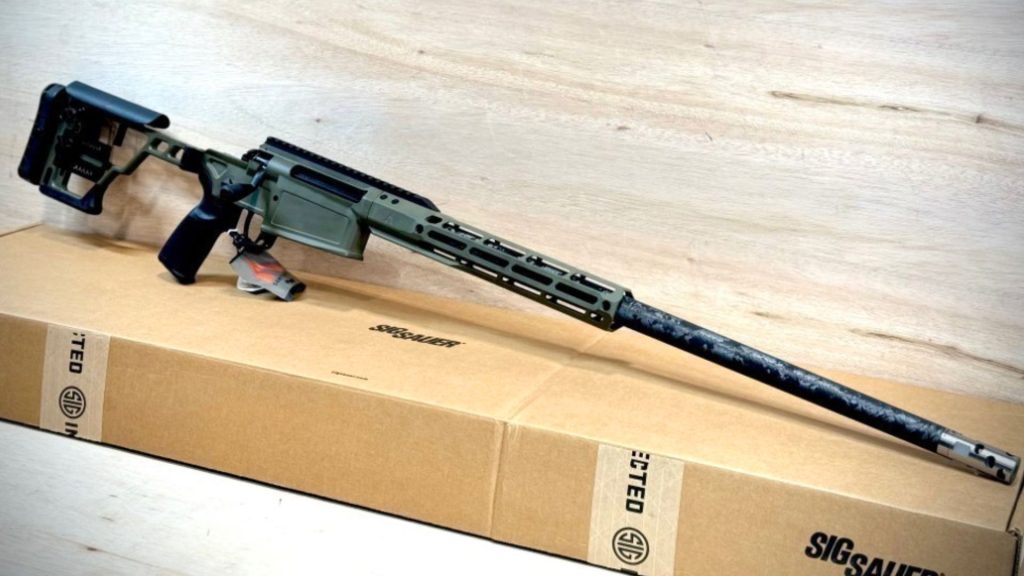
The Sig Cross promises versatility, but it prefers controlled conditions. On the range, it shoots well. In the field, folding stocks and balance can complicate consistency.
Wind, temperature, and positional shooting reveal how sensitive it is to setup. Small changes in cheek weld or grip affect point of impact. It rewards careful adjustment and calm environments. When things get rushed or uneven, performance becomes harder to repeat.
CZ 600 Alpha
The CZ 600 Alpha is capable, but it likes predictability. It shoots well with ammo it prefers and steady shooting positions. Deviate from either, and results vary.
Stock flex and barrel harmonics become more noticeable in wind or off uneven rests. It’s a rifle that shows promise but asks you to manage conditions closely. Field shooting exposes how much it relies on consistency to perform.
Howa 1500 Lightweight
The Howa 1500 Lightweight can shoot accurately, but it behaves best under calm, controlled conditions. Wind and shooter movement affect it quickly.
The lighter profile barrel heats fast, and point of impact can shift during longer strings. It’s reliable, but accuracy is tied closely to pacing and conditions. When weather and position are ideal, it performs. When they aren’t, it makes you work for every hit.
Kimber Montana
The Kimber Montana has a reputation tied to weight and portability. In perfect conditions, it can shoot well. In real hunting environments, consistency becomes harder to maintain.
The light stock and barrel amplify recoil and shooter input. Wind calls matter more, and follow-up shots require care. It’s a rifle that asks you to be deliberate and patient. When conditions line up, it performs. When they don’t, it shows little forgiveness.

Asher was raised in the woods and on the water, and it shows. He’s logged more hours behind a rifle and under a heavy pack than most men twice his age.


