
What caliber works best for mixed predator hunting
Mixed predator hunting asks more of a cartridge than most people admit. You’re dealing with coyotes one stand, foxes the next, maybe a bobcat slipping in close or a hog showing up uninvited. The right caliber has to shoot flat enough for longer pokes, stay controllable for fast follow-ups, and avoid excessive damage on smaller animals. It also needs to be practical in real field conditions, not theoretical ballistics charts. There’s no single perfect answer, but there are cartridges that consistently cover the widest range with the fewest compromises. These are the calibers that actually make sense when you’re calling predators and don’t know what’s coming next.
.223 Remington

The .223 Remington remains the most versatile mixed predator cartridge in North America. You get manageable recoil, easy spotting of hits, and plenty of factory loads to tailor performance. Lightweight bullets work well on fox and bobcats when placement is clean, while heavier options handle coyotes without trouble.
In the field, the .223 carries enough reach for open country but stays controllable when predators come in fast and close. Rifles are widely available, magazines are reliable, and ammo is affordable enough to practice often. It doesn’t excel at any single thing, but it covers more ground than almost anything else when you’re hunting a mix.
.22-250 Remington
The .22-250 Remington shines when distances stretch out. Its velocity flattens trajectory and reduces guesswork on longer shots, which matters in wide-open country. Coyotes at 300 yards are well within its comfort zone.
That speed does come with tradeoffs. On smaller predators, bullet selection matters if you want to limit damage. With the right loads, though, it remains effective across species. The .22-250 rewards good shooting fundamentals and gives you confidence when predators hang up at longer distances, especially in windy conditions where slower rounds struggle.
.204 Ruger

The .204 Ruger offers speed with surprisingly mild recoil. Watching impacts through the scope is easy, and follow-up shots stay quick. On foxes and bobcats, proper bullet choice can reduce pelt damage compared to faster .22 centerfires.
Coyotes are well within its capability when shots are placed properly. Wind can be more noticeable at longer distances, but within typical calling ranges it performs consistently. The .204 isn’t forgiving of sloppy shot placement, but in the hands of a disciplined shooter, it covers mixed predators efficiently without beating you up behind the rifle.
.243 Winchester
The .243 Winchester leans toward the heavier end of predator cartridges, but it earns its place when coyotes are large or conditions are tough. Wind drift is reduced, and energy remains consistent past typical calling distances.
For mixed predators, bullet selection is critical. Lighter varmint bullets keep damage reasonable on smaller animals, while heavier options give confidence on coyotes at range. Recoil is still manageable, and rifles tend to shoot well. The .243 works best when coyotes are the priority but you still want flexibility when something smaller shows up.
.224 Valkyrie
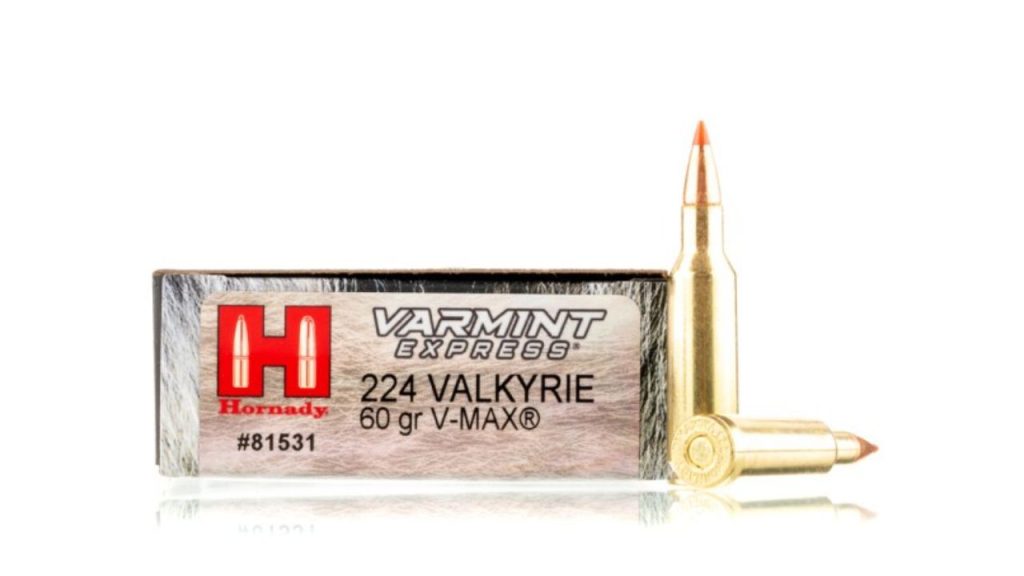
The .224 Valkyrie brings long-range efficiency into the predator world. High ballistic coefficient bullets hold velocity and resist wind better than traditional .223 loads. That matters when calling in open terrain where shots aren’t always close.
Inside typical predator distances, it behaves similarly to a .223 with heavier bullets. On smaller predators, careful bullet choice helps manage damage. The Valkyrie isn’t necessary everywhere, but if your ground encourages longer shots and variable wind, it offers real advantages without jumping to heavier calibers.
.17 Remington
The .17 Remington rewards precision. On foxes and bobcats, it offers excellent control and minimal recoil. Coyotes are absolutely manageable with disciplined shot placement.
Wind sensitivity is real, and that limits its comfort zone in open country. Still, within reasonable distances, it’s extremely effective. The .17 Remington suits hunters who prioritize shot placement and patience. It doesn’t forgive rushed shots, but when used correctly, it handles mixed predators with a level of control few cartridges match.
.222 Remington
The .222 Remington may be overshadowed today, but its performance still holds up. Recoil is light, accuracy is excellent, and it handles coyotes cleanly inside moderate ranges.
On smaller predators, it offers more control than faster cartridges. Wind drift becomes noticeable sooner than modern options, but for calling setups where shots stay reasonable, it performs predictably. The .222 rewards calm shooting and practical distances, making it a solid choice for hunters who value consistency over speed.
.220 Swift
The .220 Swift delivers serious velocity and reach. Coyotes at extended distances are well within its comfort zone, and trajectory stays forgiving when ranges vary.
That speed demands respect. On smaller predators, damage can be excessive without careful bullet selection. Barrel heat also builds quickly during extended shooting. For hunters who regularly face long shots and want authority on coyotes, the Swift works, but it’s best suited to open ground and controlled shooting situations.
.218 Bee
The .218 Bee is a niche cartridge that still makes sense in the right hands. Within shorter ranges, it performs cleanly on foxes and coyotes with minimal recoil.
It’s not built for long shots or heavy wind, but in tight calling setups it delivers predictable results. Ammo availability is limited, which keeps it from wider use. Still, for hunters working smaller properties or wooded terrain, the Bee provides control and accuracy without unnecessary power.

Asher was raised in the woods and on the water, and it shows. He’s logged more hours behind a rifle and under a heavy pack than most men twice his age.


