Why the 12-gauge remains king of waterfowl
Every season brings new shot sizes, loads, chokes, and gauges promising an edge in the marsh. Lighter recoil. Faster follow-ups. Better patterns. Yet when the first cold fronts roll in and birds start flying with purpose, most experienced waterfowlers reach for the same tool they always have. The 12-gauge.
It isn’t nostalgia. It’s practicality. The 12-gauge adapts better, hits harder when needed, patterns consistently, and handles the unpredictable nature of waterfowl hunting without demanding perfect conditions. Other gauges work. The 12-gauge endures.
It handles every legal waterfowl load with confidence

The 12-gauge gives you the widest range of usable loads in waterfowl hunting. Light target-style shells for early teal, heavier steel for late-season mallards, and high-density options for geese all run comfortably in the same platform.
You don’t need to tailor your entire setup around one narrow purpose. That flexibility matters when seasons overlap and conditions change quickly.
Steel shot never pushed it out of relevance
When steel became mandatory, some gauges struggled to keep up. The 12-gauge didn’t.
It patterns steel well, maintains velocity, and carries enough pellet count to forgive imperfect leads. Even with tighter chokes and modern loads, it continues to perform reliably without special accommodations.
It forgives imperfect shooting better than smaller gauges
Waterfowl shots aren’t taken from benches. You’re twisting, rising, swinging, and firing under pressure.
The 12-gauge throws patterns dense enough to absorb small errors without turning marginal hits into misses. That forgiveness shows up on windy days and fast-crossing birds.
Late-season birds demand payload
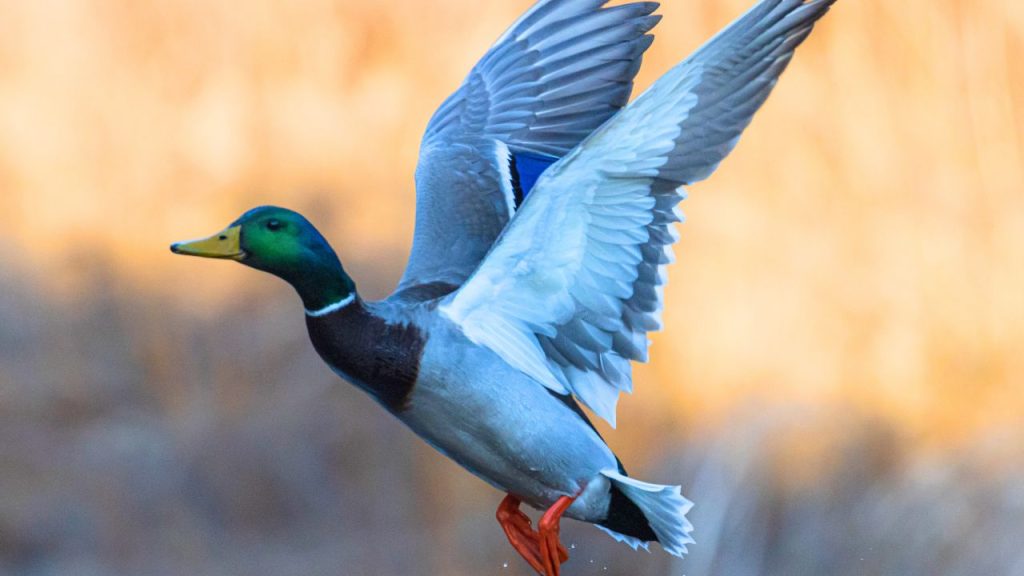
Cold-weather birds fly tougher. Feathers are dense, and angles are steeper.
The 12-gauge carries enough pellets and energy to cleanly finish birds at realistic distances without relying on perfect placement. Smaller gauges can work, but they demand more precision when birds are at their strongest.
It adapts to every blind style
From layout blinds to timber holes to pit blinds, the 12-gauge fits anywhere.
Barrel lengths, stock options, and action types vary widely, allowing you to tailor the gun to how and where you hunt instead of changing your hunting to suit the gun.
Ammunition availability never becomes an issue
No matter where you hunt, 12-gauge shells are available. That matters more than people admit.
When weather delays shipments or small-town stores run thin, the 12-gauge remains stocked. You aren’t forced to ration shells or change plans.
Recoil is manageable with proper fit

Modern gas systems, recoil pads, and stock geometry make the 12-gauge far more comfortable than its reputation suggests.
When the gun fits correctly, recoil becomes predictable instead of punishing. That consistency improves shooting more than downsizing ever will.
It excels across mixed species hunts
Ducks in the morning. Geese at midday. Divers in the afternoon.
The 12-gauge handles mixed bags without changing guns. You adjust loads, not platforms. That efficiency keeps you focused on birds instead of equipment.
It patterns consistently across choke options
The 12-gauge responds well to choke changes. Whether you’re opening patterns for close timber shots or tightening them for field work, results stay predictable.
That consistency builds trust, especially when switching environments during the same hunt.
Semi-auto reliability favors the gauge

Most semi-automatic shotguns are optimized around the 12-gauge. Cycling reliability improves because the system was built for it.
Light loads, heavy loads, cold weather, and fouling all get handled more reliably than in smaller gauges pushed to their limits.
It handles wind better than lighter payloads
Wind exposes light shot charges quickly. Pellets lose energy and patterns thin.
The 12-gauge maintains density and momentum better when conditions turn ugly. That advantage shows up on late-season days when birds refuse to cooperate.
Experience keeps bringing hunters back to it
Hunters try other gauges. Some stick. Most return.
Over time, the 12-gauge proves it doesn’t need perfect conditions, perfect loads, or perfect shooting to work. It just keeps putting birds in the bag.

Leo’s been tracking game and tuning gear since he could stand upright. He’s sharp, driven, and knows how to keep things running when conditions turn.