

Why bolt-action rifles still set the standard for precision
Every year brings new platforms promising speed, modularity, and flexibility. Semi-autos get lighter. Triggers get faster. Accessories multiply. Yet when precision actually matters, when shots are measured in inches instead of impressions, bolt-action rifles still sit at the center of the conversation.
That isn’t tradition talking. It’s physics, mechanics, and years of results. Bolt guns reward consistency, punish sloppiness, and deliver repeatable accuracy without asking much in return. Over time, shooters learn that precision doesn’t come from complexity. It comes from stability, simplicity, and control. That’s why bolt-actions remain the benchmark others are measured against.
The action locks up the same way every time
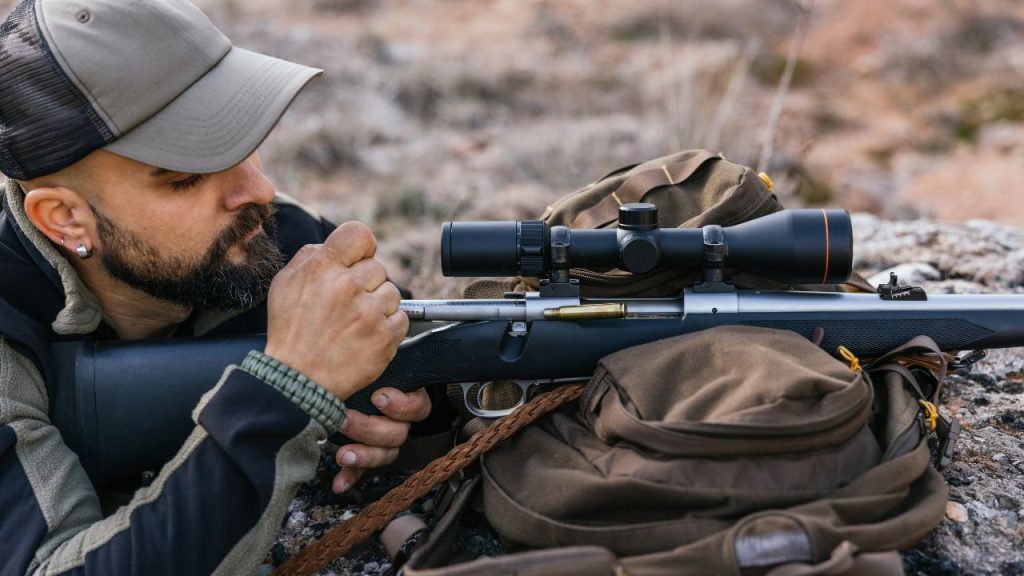
Precision starts with consistency, and bolt-action rifles excel here. Each shot chambers and locks with the same mechanical motion, shot after shot.
There’s no cycling mass moving during the firing sequence. That stability reduces variables and keeps the rifle behaving predictably under recoil. When you’re chasing repeatable point of impact, that matters more than speed.
Fewer moving parts mean fewer disturbances
Bolt-actions are mechanically quiet during firing. Nothing is unlocking, extracting, or feeding until after the bullet leaves the barrel.
That absence of internal movement allows the barrel and action to do one thing at a time. Over long strings, that simplicity pays dividends in consistency and group integrity.
Barrel quality matters more on bolt guns
Bolt-action rifles place a premium on barrel quality, and manufacturers respond accordingly.
Heavier contours, better chambering, and careful stress relief show up more often on bolt guns. Those barrels heat more evenly and cool more predictably, which helps accuracy hold over time.
Trigger design stays straightforward and predictable
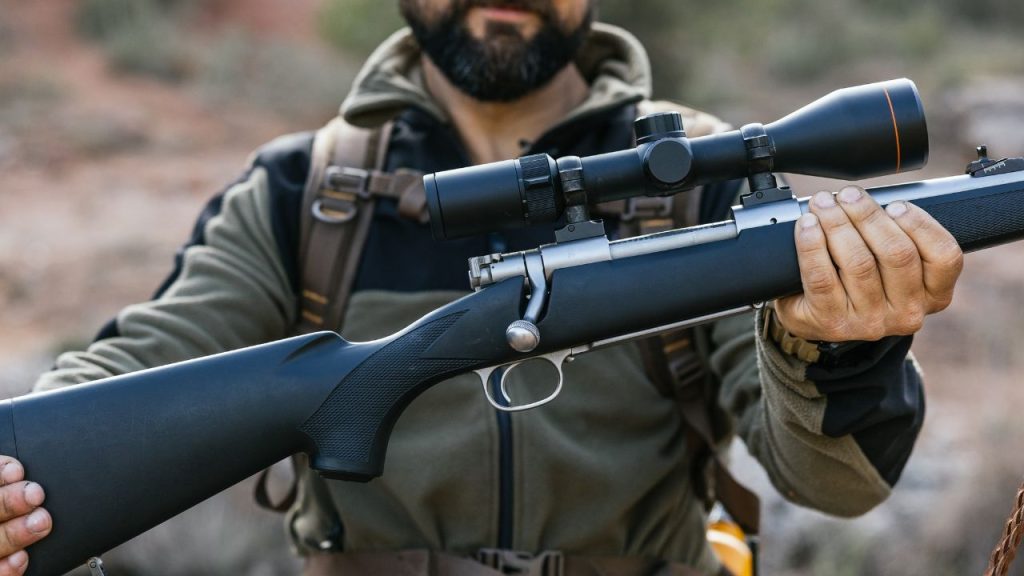
Bolt-action triggers are simpler by nature. Fewer linkages mean cleaner breaks and easier tuning.
You feel exactly when the shot is going to break, which improves timing and control. That clarity helps experienced shooters more than lighter pull weights ever could.
Bedding and stock fit are easier to control
Bolt-actions sit cleanly in stocks and bedding systems. Flat surfaces and rigid recoil lugs create consistent contact points.
That stability reduces point-of-impact shift over time and through travel. When everything stays where it’s supposed to, precision follows.
They reward disciplined fundamentals
Bolt guns don’t hide mistakes. Poor position, rushed trigger work, or sloppy follow-through show up immediately on paper.
That honesty accelerates improvement. You learn faster because the rifle tells the truth every time.
Heat management is more predictable
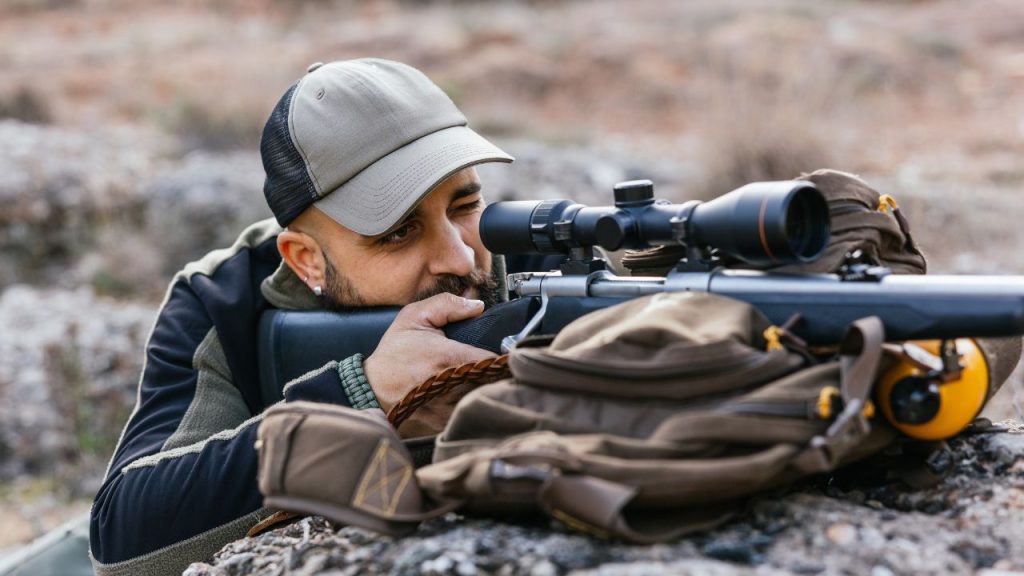
Semi-autos generate heat quickly and unevenly. Bolt-actions heat slower and more evenly, especially with heavier barrels.
That predictable heat behavior keeps groups stable longer and reduces vertical stringing during practice or load development.
Ammunition consistency matters more and pays off
Bolt-actions respond clearly to ammunition changes. You see the difference between loads without interference from cycling variables.
That makes tuning and load selection more meaningful. When you find something that works, it works every time.
Suppressors and muzzle devices behave better
Bolt-actions handle added mass at the muzzle with fewer side effects. No gas system timing changes. No cycling issues.
That stability preserves accuracy when shooting suppressed or with brakes, which matters more as setups evolve.
Long-range shooting favors control over speed
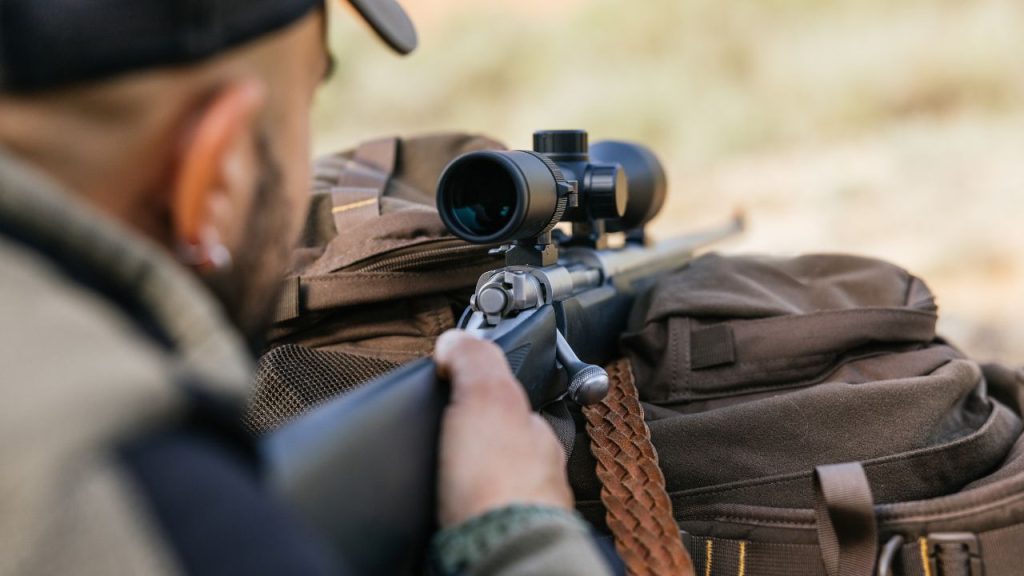
At distance, speed doesn’t help much. Control does.
Bolt-actions allow you to focus entirely on position, wind, and execution. You aren’t managing recoil for rapid follow-ups. You’re managing precision for one good shot.
Maintenance stays simple and consistent
Bolt guns don’t demand constant cleaning to maintain accuracy. Carbon buildup doesn’t affect cycling.
You clean them when accuracy drops, not when function fails. That consistency builds trust over years of use.
Experience keeps pulling shooters back to bolts
Many shooters branch out. Some stay. Most return.
Bolt-action rifles don’t promise shortcuts. They offer repeatable results. Over time, that reliability becomes hard to replace.

Leo’s been tracking game and tuning gear since he could stand upright. He’s sharp, driven, and knows how to keep things running when conditions turn.


