Calibers that are more trouble than they’re worth
When it comes to hunting or shooting, not all calibers perform as smoothly as their reputations suggest. Some offer firepower but come with recoil that punishes accuracy. Others are hard to find, expensive, or simply inconsistent in real-world conditions. Experienced hunters and shooters know that a caliber’s reputation doesn’t always translate to reliability, comfort, or efficiency in the field. Using the wrong one can turn a day in the woods into a frustrating experience. Here are calibers that, despite their fame or past success, are often more trouble than they’re worth.
.338 Lapua Magnum

The .338 Lapua Magnum delivers serious long-range power, but it punishes shooters in more ways than one. Recoil is significant, and muzzle blast can be fatiguing over long sessions.
Finding quality ammunition is increasingly challenging, and handloading is almost a necessity to maintain consistency. Barrels wear faster, and rifles chambered for it are heavy and unwieldy. While impressive on paper, the practical limitations make it a tough choice for hunters who need a versatile, manageable rifle. Its performance is unmatched at extreme distances, but for most practical hunting scenarios, it creates more hassle than benefit.
7mm Remington Magnum
The 7mm Remington Magnum is famous for flat shooting and long reach, but it demands careful handling. Recoil, while manageable, can disrupt follow-up shots for even experienced hands.
Ammunition cost and rifle wear are higher than standard calibers. Hunting with this round requires attention to powder choice and bullet selection to avoid inconsistent performance. While effective at long ranges, the rifle-caliber combination often forces compromises in comfort and control. Hunters seeking a straightforward, all-purpose cartridge frequently find themselves fighting the recoil or worrying about barrel life.
.300 Winchester Magnum
The .300 Winchester Magnum is powerful, but with great power comes frustration. Recoil is heavy, and muzzle blast is substantial, making extended sessions fatiguing.
This cartridge can push rifles to their limits, increasing barrel wear and requiring meticulous maintenance. While capable of long-range shots, inconsistent bullet selection or poor rifle fit can amplify inaccuracy. For hunters looking for a balance of performance and ease of use, the .300 Win Mag often tips too far into the “trouble” category. It’s rewarding when controlled, but controlling it consistently is a challenge.
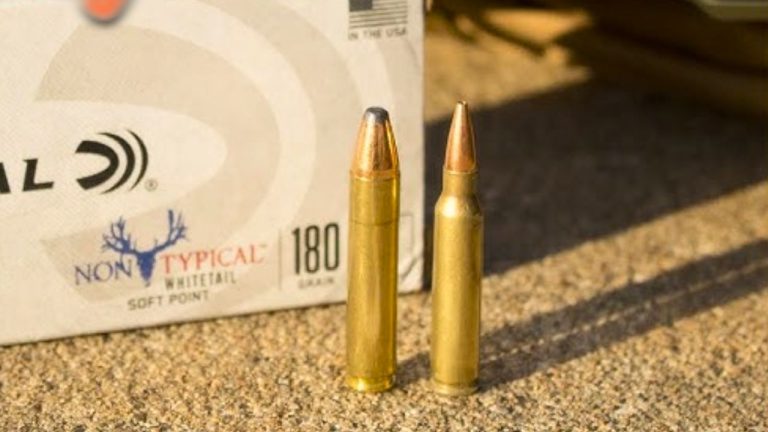
.50 Beowulf
The .50 Beowulf is a massive cartridge designed for stopping power at close range, but practicality is limited. Ammo is expensive and hard to find, and rifles chambered for it are heavy and clunky.
Recoil is punishing, and follow-up shots are slow even for skilled shooters. Its ballistic characteristics make precision work tricky, limiting versatility. While it has a certain appeal for intimidation or short-range impact, the real-world difficulties in handling, sourcing ammo, and maintaining rifles make it more trouble than its unique capability justifies.
.220 Swift
The .220 Swift is known for speed and flat trajectory, but it’s a high-maintenance round. Barrel wear is rapid, and pressures are higher than most standard varmint cartridges.
Ammo can be expensive, and handloading is often necessary for consistent performance. While capable of extreme velocities, it punishes rifles and shooters who expect easy handling. Hunters chasing small game may find that the costs, maintenance, and recoil trade-offs outweigh the theoretical benefits of its high speed.
6.5 Grendel
The 6.5 Grendel has become popular for tactical use, but for hunting, it comes with trade-offs. Ammo availability is limited compared to mainstream calibers, and ballistic performance varies with load.
The cartridge can deliver accurate shots at medium range, but inconsistent bullet choices or rifle fit can reduce effectiveness. Recoil is manageable, but follow-up shots are affected by trigger feel in some rifles. While versatile in theory, the combination of scarce ammo and precision demands makes it less practical than more common 6.5mm options.
.458 SOCOM

The .458 SOCOM is designed for stopping power, but rifles chambered for it are heavy, and ammunition is costly. Recoil is intense, demanding experience and solid technique.
Magazine capacity is reduced due to cartridge size, and ballistic performance drops off quickly at distance. Hunters or shooters expecting a flexible, user-friendly caliber may be disappointed. While it delivers impressive terminal effects at close range, the logistical and ergonomic challenges outweigh most practical benefits.
.44 Magnum
The .44 Magnum is iconic, but recoil and muzzle blast can frustrate even skilled shooters. Extended use quickly fatigues the wrist and shoulder, limiting precision over time.
Ammo cost and availability are also considerations, especially for consistent practice. While the round delivers power and intimidation, controlling it for follow-up shots or long-range accuracy is challenging. Hunters expecting both versatility and comfort may find the .44 Magnum more trouble than it’s worth for everyday use.
5.7x28mm
The 5.7x28mm offers high velocity and low recoil, but practical utility is limited. Ammunition is specialized and expensive, making regular practice challenging.
Effective range and terminal performance for hunting are limited, and rifles or pistols chambered for it often require careful ammo selection to avoid inconsistencies. While interesting from a ballistic standpoint, the logistical issues and marginal field performance make it frustrating for shooters expecting a broadly useful cartridge.
7.62x39mm
The 7.62x39mm is reliable and cheap for plinking, but hunting performance can be inconsistent. Bullet selection and energy delivery vary, and effective range is shorter than many assume.
Rifles chambered for this round are often built for durability over precision, leaving experienced shooters frustrated with group sizes at distance. While capable of taking game at close range, relying on it as a general-purpose cartridge often introduces disappointment in accuracy, ammo choice, and stopping power.
.300 AAC Blackout
The .300 AAC Blackout is versatile for suppressed shooting, but for hunting it has quirks. Ballistics are less consistent at longer ranges, and subsonic rounds reduce energy delivery.
Ammo selection is limited, and effective field performance often depends on handloading. Rifles may require specific barrel lengths to optimize performance, and shooters expecting standard supersonic reliability can be frustrated. While excellent for niche applications, the Blackout can create headaches for those seeking straightforward hunting calibers.
.257 Roberts
The .257 Roberts is fast and flat-shooting, but ammo availability is scarce and often expensive. Recoil is manageable, but rifles chambered for it are aging or harder to find in quality builds.
Bullet selection is narrower, and long-range accuracy depends on careful load development. For hunters accustomed to more common cartridges, it’s a high-maintenance round. The balance of rarity, cost, and effort required to achieve consistent performance makes it more trouble than most practical hunting scenarios justify.
6.8 SPC
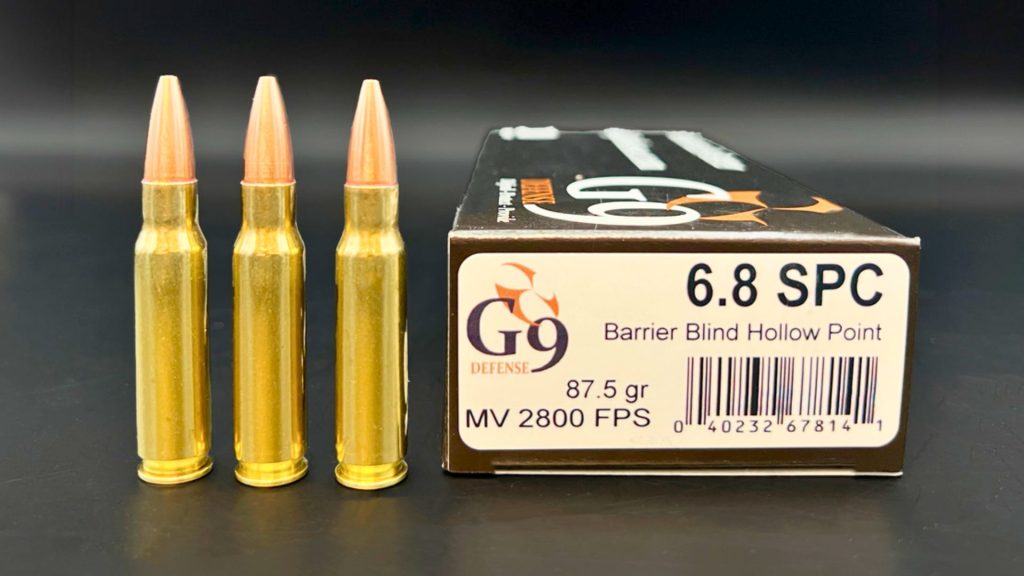
The 6.8 SPC was designed for semi-automatic platforms, but practical hunting performance is limited. Ammo availability is inconsistent, and ballistic performance doesn’t outperform more common rounds in meaningful ways.
Rifles chambered in 6.8 SPC often require specialized magazines and careful load selection. While capable, the cartridge doesn’t offer enough advantage to justify the extra effort, making it frustrating for shooters expecting straightforward use. Its niche appeal doesn’t translate into broader field practicality.

Asher was raised in the woods and on the water, and it shows. He’s logged more hours behind a rifle and under a heavy pack than most men twice his age.