
Handguns nobody talks about for a good reason
Every shooter has run across handguns that quietly earn a bad reputation. Some were hyped when they hit the market, only to leave owners scratching their heads at inconsistent triggers, sharp recoil, or poor ergonomics. These are the pistols that aren’t dangerous in the sense of failing to fire, but they make accuracy, comfort, or handling feel unnecessarily difficult.
Experienced shooters quickly learn to sidestep these models. They might look appealing on paper, or even carry a solid warranty, but the day-to-day experience rarely lives up to expectations. Here’s a look at twelve handguns that teach patience—or frustration.
Taurus PT140
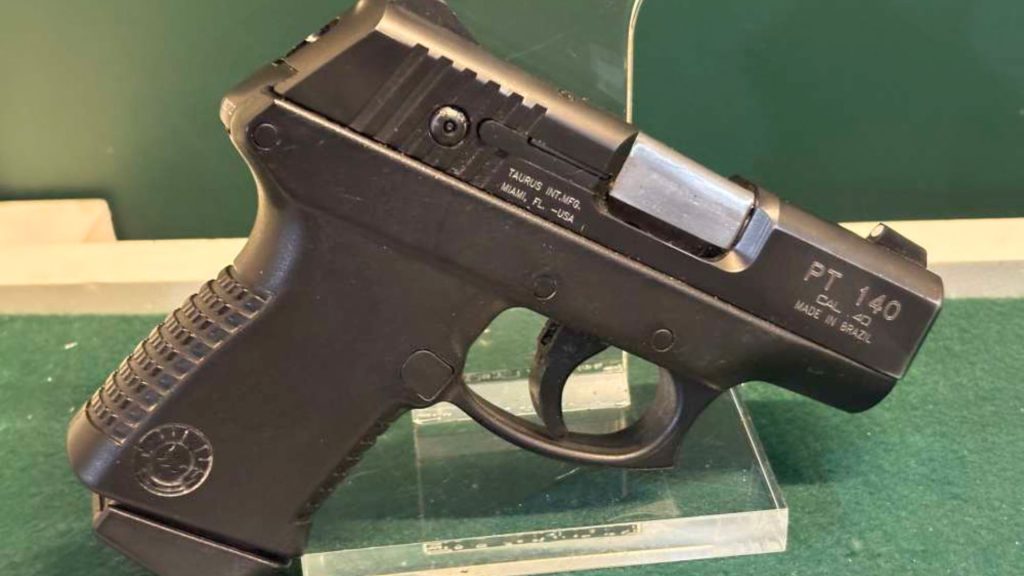
The Taurus PT140 often gets recommended for budget-conscious buyers, yet its trigger is long and inconsistent, making follow-up shots difficult. Recoil can be snappy, especially in the .40 S&W chambering, and the grip angle isn’t intuitive for all hand sizes.
Even though it functions mechanically, accuracy suffers for many shooters. The slide can be stiff to rack, particularly for smaller hands, which adds to handling frustration. Owners often spend more time fighting the gun than practicing fundamentals. Experienced shooters know that other pistols in the same class offer smoother triggers and better ergonomics without breaking the bank.
Hi-Point C9
The Hi-Point C9 is cheap and reliable, but it’s bulky and awkward to hold. The long trigger pull, combined with a stiff reset, makes consistent shooting difficult, and recoil management is awkward for follow-ups.
While it will fire under nearly any circumstance, accuracy rarely matches expectations. Its weight distribution and overall feel can make extended shooting tiring, even for experienced hands. Most shooters quickly learn that inexpensive doesn’t mean easy to shoot, and that carrying it for daily defense can be a lesson in compromise rather than confidence.
Bersa Thunder 380
The Bersa Thunder 380 is compact and appealing for concealed carry, yet its sharp recoil and stiff trigger throw off many shooters. The thin grip makes controlling follow-up shots more challenging than expected.
While reliable, it demands extra attention to hand positioning and trigger control. Instructors often see beginners struggle to maintain accuracy with this model. Even experienced shooters sometimes prefer slightly larger or more ergonomic .380s that allow smoother handling and a more predictable shooting experience.
Jericho 941
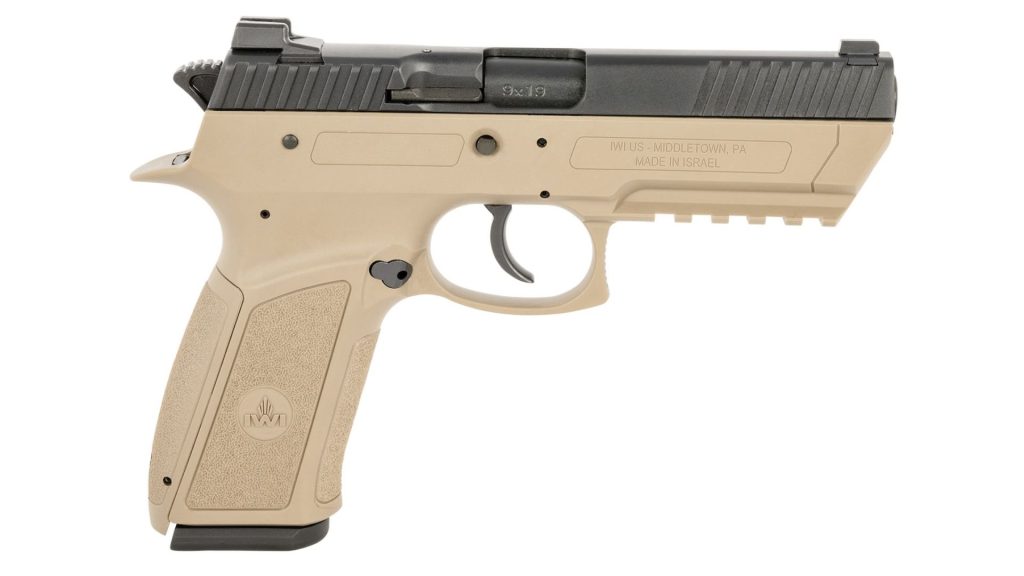
The Jericho 941 is a solidly built pistol, but its trigger pull is heavier than most expect for a double-action/single-action platform. Recoil management can be tricky, especially for new shooters using full-power 9mm or .40 S&W loads.
Its ergonomics are decent, but the combination of weight and stiff controls makes it harder to maintain accurate follow-up shots. Shooters quickly notice that while it’s reliable and attractive, it can be fatiguing and less forgiving than other service pistols in the same class.
Magnum Research Baby Eagle
The Baby Eagle is flashy and powerful in concept, but its long, heavy trigger and snappy recoil make it less practical than it looks. Ergonomics don’t favor every hand size, and consistent accuracy requires attention and repetition.
The slide is long to rack, and even experienced shooters sometimes fight to keep follow-up shots on target. While mechanically solid, this handgun doesn’t reward casual practice, and many owners regret choosing it over more manageable compacts for everyday shooting.
Kahr CW380
The Kahr CW380 is lightweight and concealable, but the trade-off comes in handling. Trigger pull is long, reset is vague, and recoil is surprisingly sharp for such a small pistol.
Even for shooters with experience, the CW380 demands precise grip and control to maintain accuracy. Its size benefits concealment, but the handling quirks mean that reliability in the holster doesn’t translate to confidence on the range. Experienced shooters often opt for slightly larger or more forgiving subcompact options.
Taurus 709
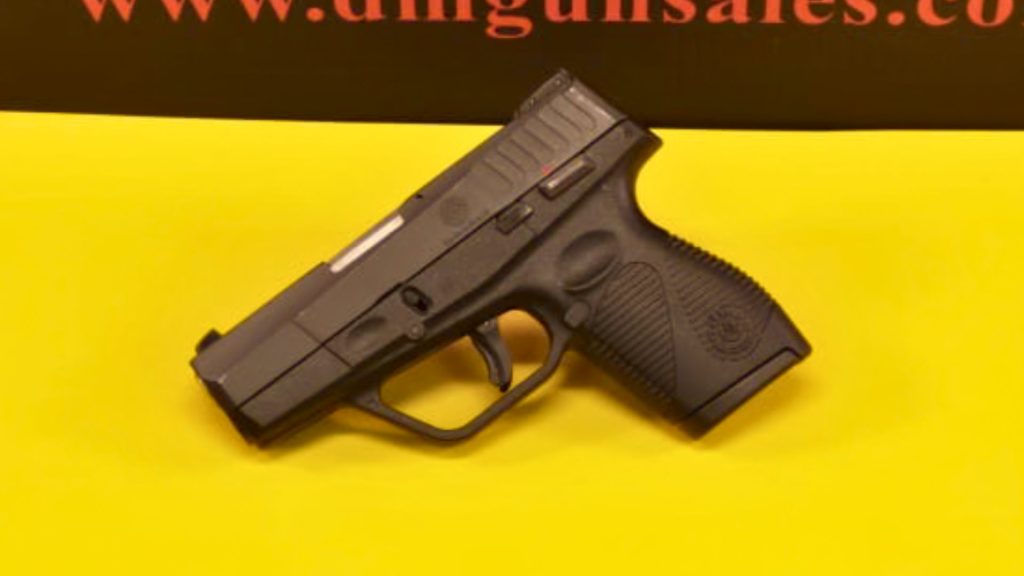
The Taurus 709 is mechanically reliable but suffers from a heavy, inconsistent trigger. Combined with sharp recoil and a short sight radius, accuracy is challenging for both new and experienced shooters.
The grip angle and ergonomics don’t accommodate all hand sizes, making follow-up shots inconsistent. Instructors note that while it functions, shooters spend more energy managing the gun than practicing fundamentals. For many, it’s a pistol that feels fine at rest but frustrating in actual use.
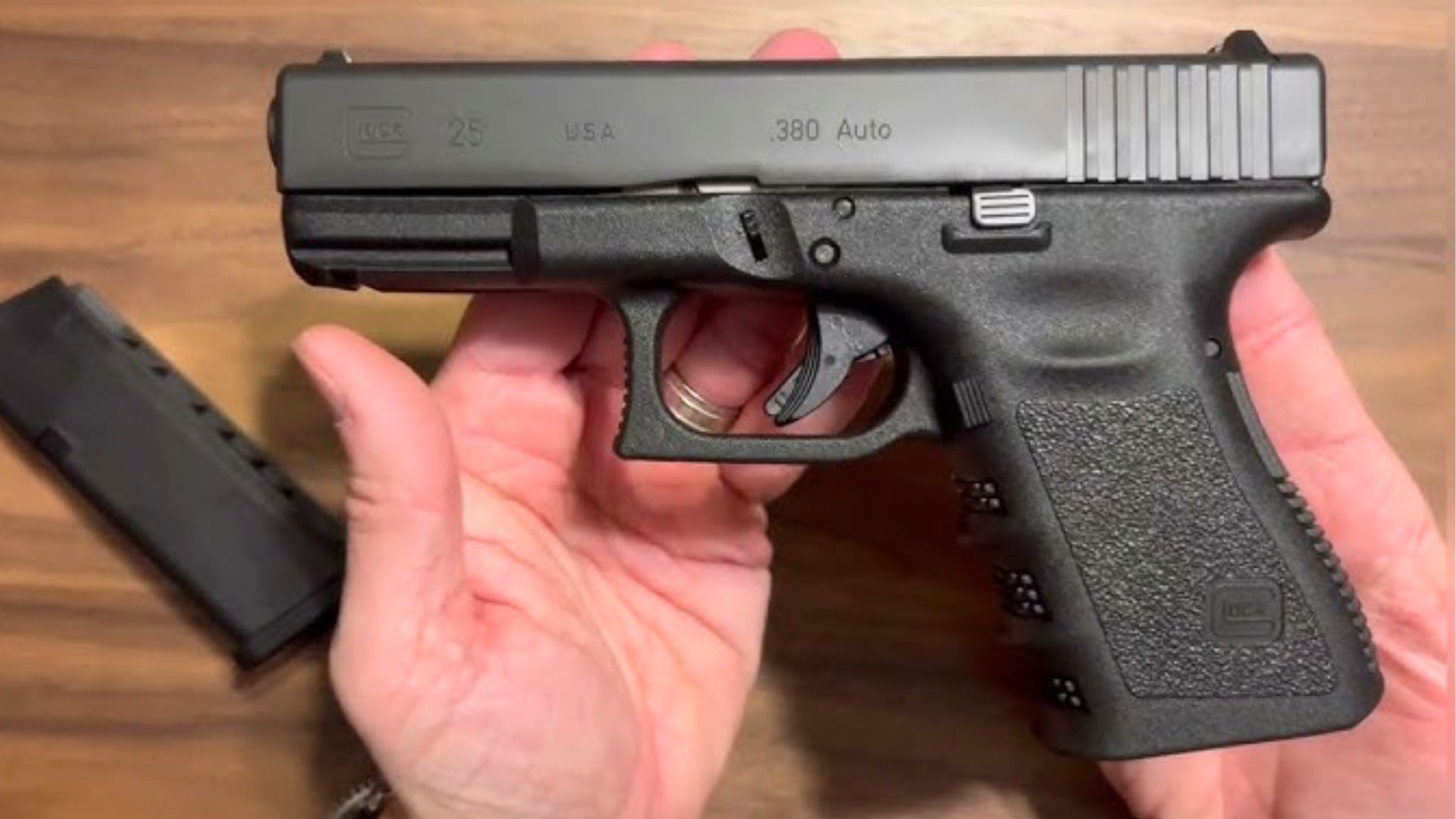
Glock 25
The Glock 25, chambered in .380 Auto, is reliable but limited in power and handling. Its small size and thin grip create challenges for consistent control, especially for follow-up shots.
While maintenance is easy and it rarely jams, its diminutive recoil and trigger characteristics can frustrate shooters who expect more predictable handling. Even experienced Glock fans find it less satisfying to shoot compared with larger, more ergonomic 9mm models.
Ruger LCP
The Ruger LCP is tiny and ultra-lightweight, but that comes at a cost. Sharp recoil, short sight radius, and minimal grip surface make it difficult to control under stress.
It conceals well, but accurate shooting is a challenge beyond very close ranges. Follow-up shots are especially tricky for anyone without a practiced grip. Shooters quickly realize that concealability doesn’t always equal usability, and many move on to larger, easier-to-control pistols.
Beretta Tomcat
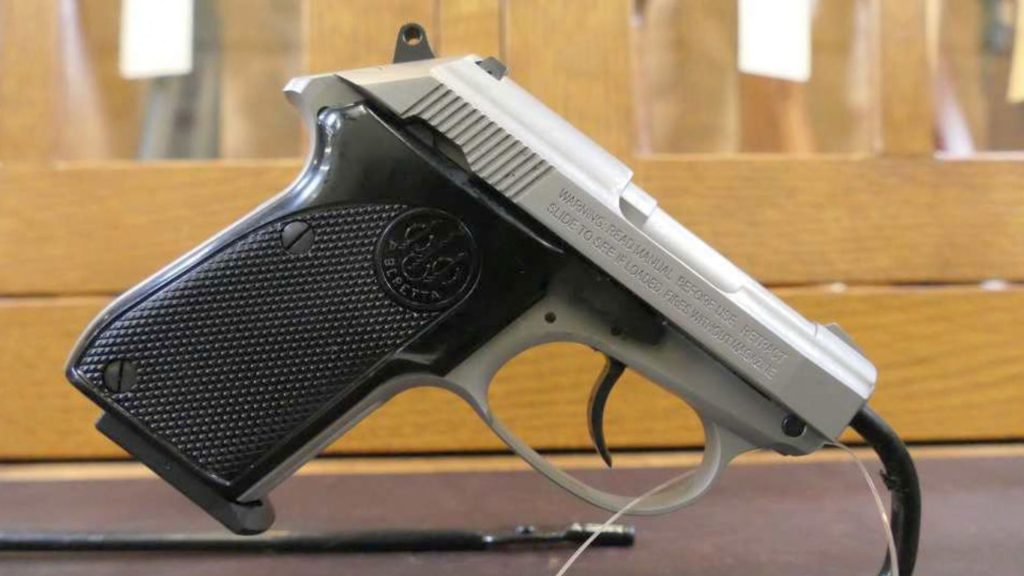
The Beretta Tomcat offers the convenience of .32 ACP in a compact package, but the long, heavy double-action trigger and snappy recoil make precision tough. Ergonomics favor small hands, but overall control is inconsistent.
While it’s mechanically sound, accuracy suffers for many users, especially when attempting rapid or controlled shooting. Experienced shooters often regret buying it over slightly larger .380 or 9mm options that offer better handling and trigger performance.
Smith & Wesson Model 459
The Model 459 is a full-sized 9mm with an aluminum frame that’s reliable, but its old-school trigger and heavy slide make follow-up shots more difficult than modern polymer pistols.
Ergonomics are serviceable, but weight distribution and trigger characteristics can frustrate shooters accustomed to smoother modern designs. Even experienced hands find that consistent accuracy requires extra effort. Many owners quietly wish they had chosen a newer compact model instead of wrestling with this older platform.
CZ 52
The CZ 52 is a leftover from the Cold War, chambered in 7.62 Tokarev. Its heavy recoil and stiff double-action trigger make accurate shooting difficult. Ergonomics are outdated, and parts are hard to source.
While mechanically robust, the pistol is unforgiving. Even experienced shooters struggle with consistent follow-up shots and proper grip. It’s a curiosity for collectors, but not a practical option for anyone expecting a manageable or comfortable handgun.

Asher was raised in the woods and on the water, and it shows. He’s logged more hours behind a rifle and under a heavy pack than most men twice his age.


